
Delhi AQI curbs: non-BS-VI vehicles from outside barred until January 31
 By Meera IyerGovernance & Policy Editor, Peepals Bharat
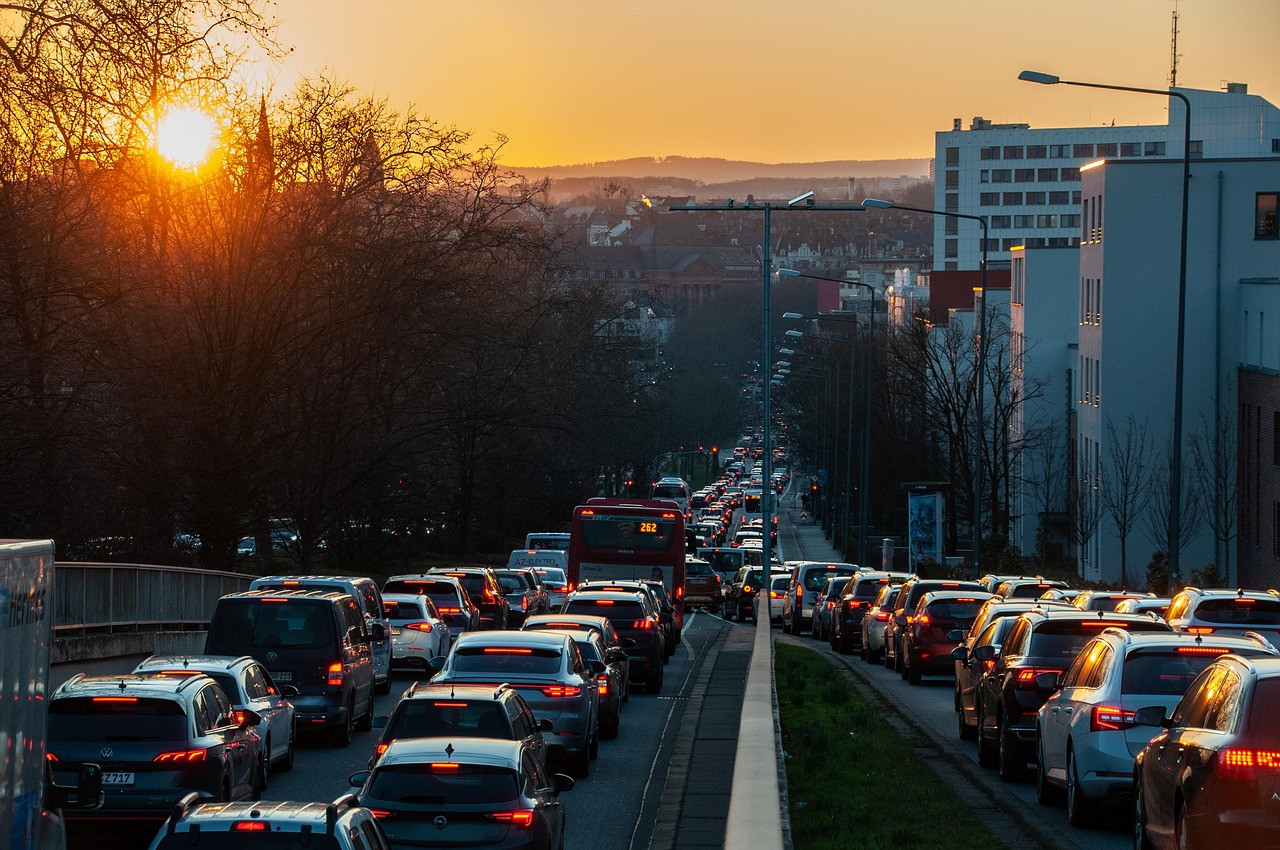
Representative image: wal_172619 / Pixabay
Delhi began barring older, non-BS-VI vehicles registered outside the city on 1 November 2026, part of a winter pollution plan that also doubles parking fees and enforces 'No PUC, No Fuel'.
What Happened
Delhi began enforcing a ban on older vehicles from outside the city on Sunday, 1 November 2026. Petrol and diesel vehicles registered outside Delhi that do not meet the Bharat Stage VI (BS-VI) emission standard cannot enter the capital until 31 January 2027, under a winter pollution plan announced by Chief Minister Rekha Gupta on 20 October. Long queues built up at border points on the first day, including on National Highway 48 near the Sirhaul border with Gurugram, as vehicles were checked and turned back.
Key Facts
- Ban period: 1 November 2026 to 31 January 2027; the wider winter action plan runs to 28 February 2027.
- Covered: non-BS-VI petrol and diesel vehicles registered outside Delhi; Delhi-registered vehicles are not covered by the entry ban.
- Exempt: BS-VI petrol and diesel vehicles from any state, CNG and electric vehicles, ambulances, fire tenders and specified essential-service vehicles.
- Separately, the Commission for Air Quality Management (CAQM) has barred non-BS-VI commercial goods vehicles registered outside Delhi from 1 November.
- Fuel stations are enforcing a "No PUC, No Fuel" rule: vehicles without a valid pollution-under-control certificate cannot refuel.
- Parking fees at authorised municipal parking sites are doubled, except at lots run by the Delhi Metro Rail Corporation.
- Number-plate recognition cameras at checkpoints are being used to identify vehicles for checks.
Why It Matters
Every winter, Delhi's air turns hazardous as cooler, still air traps smoke and dust close to the ground. Vehicle exhaust is one of the main local sources of pollution the government can control directly, and older vehicles release far more harmful gases and fine particles than newer ones. BS-VI is India's current emission standard, in force for new vehicles since 2020, and it sets much tighter limits than the earlier BS-IV standard. Keeping older vehicles out during the worst months is meant to cut pollution at its peak.
What was there before: in past winters, curbs depended mainly on the Graded Response Action Plan, which tightens step by step as the air quality index worsens. What changes now: the entry ban applies for a fixed three-month period, whatever the daily reading, and it reaches private vehicles from outside the city, not only trucks. What comes next: the government has said the restrictions run until 31 January, with other winter measures until the end of February.
The ban will touch daily life well beyond Delhi. Thousands of people commute every day from Gurugram, Noida, Ghaziabad, Faridabad and other towns of the National Capital Region. Those who drive older petrol or diesel cars registered outside Delhi now need another way in, such as the Metro, buses or a newer vehicle. Transporters and small traders who use older goods vehicles face a similar choice.
The first day showed the practical challenge. Checking each vehicle at busy border points slows traffic, and the CAQM had earlier raised concerns about whether arrangements to turn back non-compliant vehicles were adequate. How smoothly enforcement runs in the coming weeks will decide how much disruption commuters face.
What Delhi's winter plan changes Measure | What it means Entry ban | Non-BS-VI vehicles from outside Delhi barred, 1 Nov to 31 Jan Commercial goods vehicles | Non-BS-VI trucks from outside Delhi barred (CAQM) No PUC, No Fuel | No fuel without a valid pollution certificate Parking fees | Doubled at municipal lots, except DMRC lots
Impact
Short-term: Commuters from neighbouring states with older vehicles must switch to public transport or BS-VI, CNG or electric vehicles. Delays at border checkpoints are likely during busy hours.
Long-term: If the curbs measurably reduce winter pollution, they may become a regular feature, and could push more owners in the region to replace older vehicles.
Who is affected: Daily commuters from NCR towns, transporters and traders, taxi operators with older vehicles registered outside Delhi, fuel station operators, and residents who breathe Delhi's winter air.
What you should do: Check the emission standard on your vehicle's registration certificate before driving into Delhi, carry a valid PUC certificate, and allow extra time at border crossings.
Key Takeaway
From 1 November 2026 to 31 January 2027, older non-BS-VI petrol and diesel vehicles registered outside Delhi cannot enter the capital, as part of a winter plan to cut air pollution.
Questions and Answers
Which vehicles cannot enter Delhi from 1 November 2026?
Petrol and diesel vehicles registered outside Delhi that do not meet the BS-VI emission standard. BS-VI vehicles, CNG and electric vehicles, ambulances, fire tenders and specified essential vehicles are exempt.
How long will the Delhi vehicle entry ban last?
Until 31 January 2027. Other parts of the winter pollution plan continue until 28 February 2027.
How do I know if my vehicle is BS-VI?
The emission standard is recorded on the vehicle's registration certificate and in its official registration record. Vehicles sold new in India since 2020 are generally BS-VI compliant.
What else changes under Delhi's winter plan?
Fuel stations will not sell fuel to vehicles without a valid pollution-under-control certificate, and parking fees at authorised municipal lots are doubled, except at Delhi Metro lots.
Disclaimer: Prepared by the Peepals newsroom from publicly available sources with AI assistance. Information is accurate to the best of our knowledge at the time of publication and may change. Images may be representative. Not professional advice. Report an error via our contact page.
By Meera Iyer, Governance & Policy EditorCovers Governance & Policy and more for Peepals Bharat. All stories by Meera Iyer
Pune Metro Hinjewadi line opens November 4 with 17 stations, fares up to Rs 62
PNB suspends branch heads after outsiders found handling bank work
Get the day's stories in your inbox
Peepals Weekly: the week decoded, free. One email a week, unsubscribe in one click.
Meera Iyer is a pen name of the Peepals Global Editorial Team, which researches, fact-checks and publishes every story. The portrait is an illustration.