
Goyal urges firms to use India-UK trade pact to double trade by 2030 at JETCO
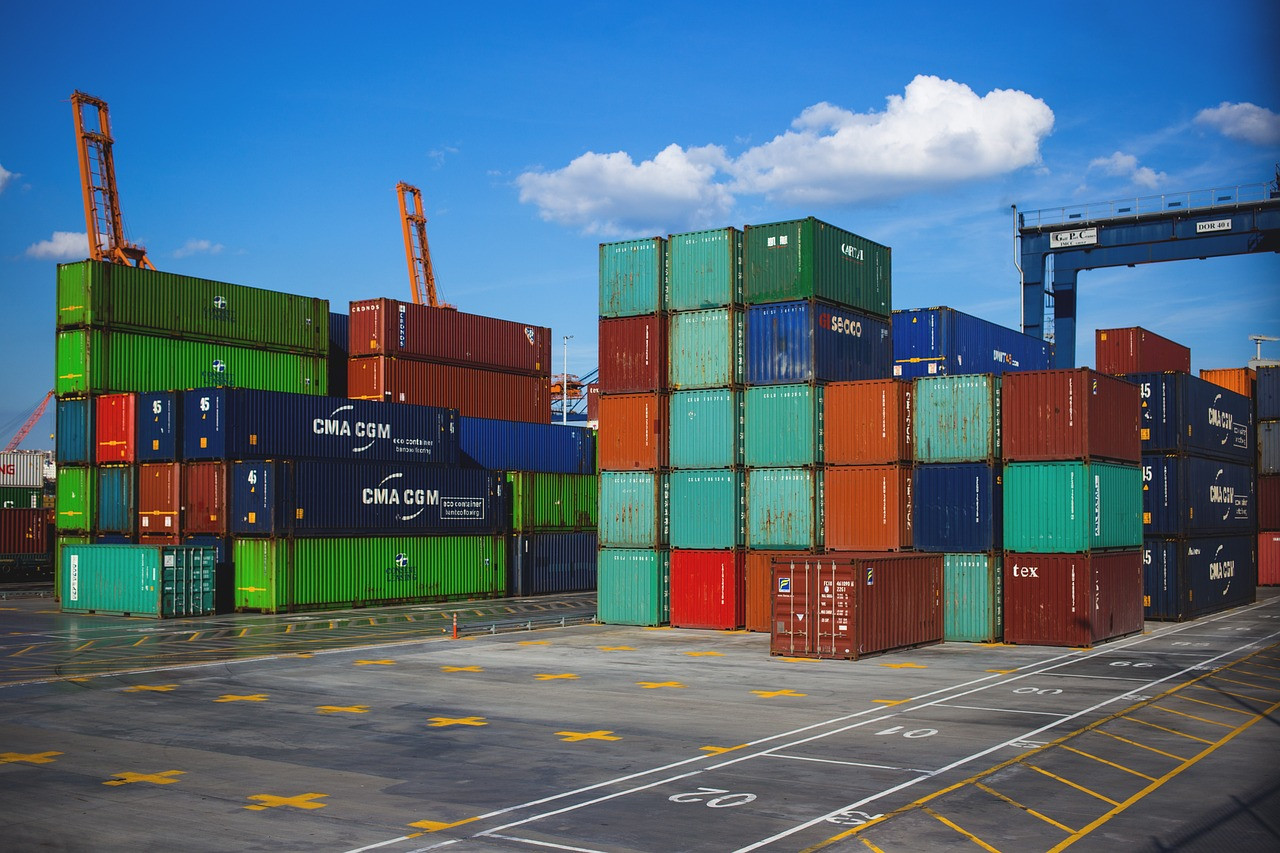
Representative image: Pexels / Pixabay
At the first India-UK JETCO since their trade pact took effect, Piyush Goyal on October 12, 2026 urged firms to use it to double trade by 2030.
What Happened
Commerce and Industry Minister Piyush Goyal on Monday, October 12, 2026, urged Indian and British businesses to use the new India-UK Comprehensive Economic and Trade Agreement (CETA) to double trade between the two countries by 2030. He was speaking at the business plenary of the 16th India-UK Joint Economic and Trade Committee (JETCO), the first meeting of the committee since the trade agreement came into force. Goyal noted that only about 1,500 days remain until the end of 2030, and both sides restated the doubling target under their India-UK Vision 2035 framework. Goyal also said India's trade pacts with the UK and the European Union should encourage global carmakers to set up manufacturing units in India.
Key Facts
- The 16th India-UK JETCO was held on October 12, 2026; it was the first since the India-UK CETA came into force.
- Piyush Goyal asked businesses to use the CETA to work towards doubling bilateral trade by 2030.
- The doubling goal was first set in the India-UK Roadmap 2030 agreed in May 2021 and is now part of the India-UK Vision 2035 framework.
- Total India-UK trade in goods and services was about £48.4 billion (about $54.09 billion) in the four quarters to March 2026, up 5.7%, according to UK government data.
- The business session focused on five areas: infrastructure and clean energy, advanced manufacturing, technology, financial services, and healthcare and consumer goods.
- Goyal said India's trade agreements with the UK and the EU could spur global automakers to set up units in India.
Why It Matters
A trade agreement only matters if businesses use it. The CETA lowers tariffs and sets rules for trade in goods and services between India and the UK, but companies on both sides have to learn the new terms, adjust supply chains and find buyers before the benefits show up in trade figures. By using the first post-agreement JETCO to press businesses directly, the government is signalling that it now wants the deal to translate into actual orders.
The arithmetic shows how big the task is. Doubling trade of about £48 billion by the end of 2030 means growing it by about 15 to 16% a year, far faster than the 5.7% rise in the latest four quarters. That kind of jump would need new sectors to open up, larger investments and quick uptake of the agreement's tariff cuts, not just steady growth in existing trade.
The five focus areas suggest where both governments see the biggest openings. Technology, advanced manufacturing and healthcare offer openings for Indian firms selling to Britain, while financial services, clean energy and consumer goods offer British companies routes into India. Goyal's remark about carmakers adds another angle: with tariff concessions to both the UK and the EU, India is pitching itself as a base where foreign automakers can build vehicles for the domestic market and for export.
For Indian exporters, especially smaller firms, the practical next step is understanding the rules of origin and tariff schedules in the CETA, so that they can claim the lower duties they are now entitled to.
| India-UK trade | Detail |
|---|---|
| Latest annual trade (to March 2026) | About £48.4 billion (about $54.09 billion) |
| Recent growth | 5.7% |
| Target | Double by 2030 |
| Meeting | 16th JETCO, October 12, 2026 |
| Framework | India-UK Vision 2035 |
Impact
Short-term: Industry bodies and exporters are likely to step up outreach on how to use the CETA's tariff and services provisions, especially in the five priority sectors.
Long-term: If the doubling target is met, India-UK trade would approach £100 billion a year by 2030, with more two-way investment in manufacturing, technology and finance.
Who is affected: Indian exporters and service providers selling to the UK, British companies entering India, automakers weighing Indian production, and workers in sectors that gain from new orders.
Key Takeaway
At the first India-UK JETCO since their trade agreement took effect, Piyush Goyal urged businesses to use it to double bilateral trade of about £48 billion by 2030.
Questions and Answers
What is the India-UK JETCO?
The Joint Economic and Trade Committee is a regular forum where the two governments review trade and economic ties. Its 16th meeting, held on October 12, 2026, was the first since the India-UK trade agreement came into force.
How much trade do India and the UK do now?
Total trade in goods and services was about £48.4 billion, roughly $54.09 billion, in the four quarters to March 2026, up 5.7%, according to UK government data.
Is the target of doubling trade by 2030 new?
No. It was first set in the India-UK Roadmap 2030 in May 2021 and has been restated under the India-UK Vision 2035 framework.
Which sectors are the focus?
Infrastructure and clean energy, advanced manufacturing, technology, financial services, and healthcare and consumer goods.
Disclaimer: Prepared by the Peepals newsroom from publicly available sources with AI assistance. Information is accurate to the best of our knowledge at the time of publication and may change. Images may be representative. Not professional advice. Report an error via our contact page.
Sourced and fact-checked by the Peepals Global Editorial Team
Delhi opens 2,000-seat Dwarka school, NSUT women's hostel and three ITI centres
Delhi Police drop Jantar Mantar as protest site; Ramlila Maidan, Burari, CBD Ground named
Reported, fact-checked and published by the Peepals Global Editorial Team.