
Rahul Gandhi acquitted in 2018 defamation case over Amit Shah remarks
 By Meera IyerGovernance & Policy Editor, Peepals Bharat
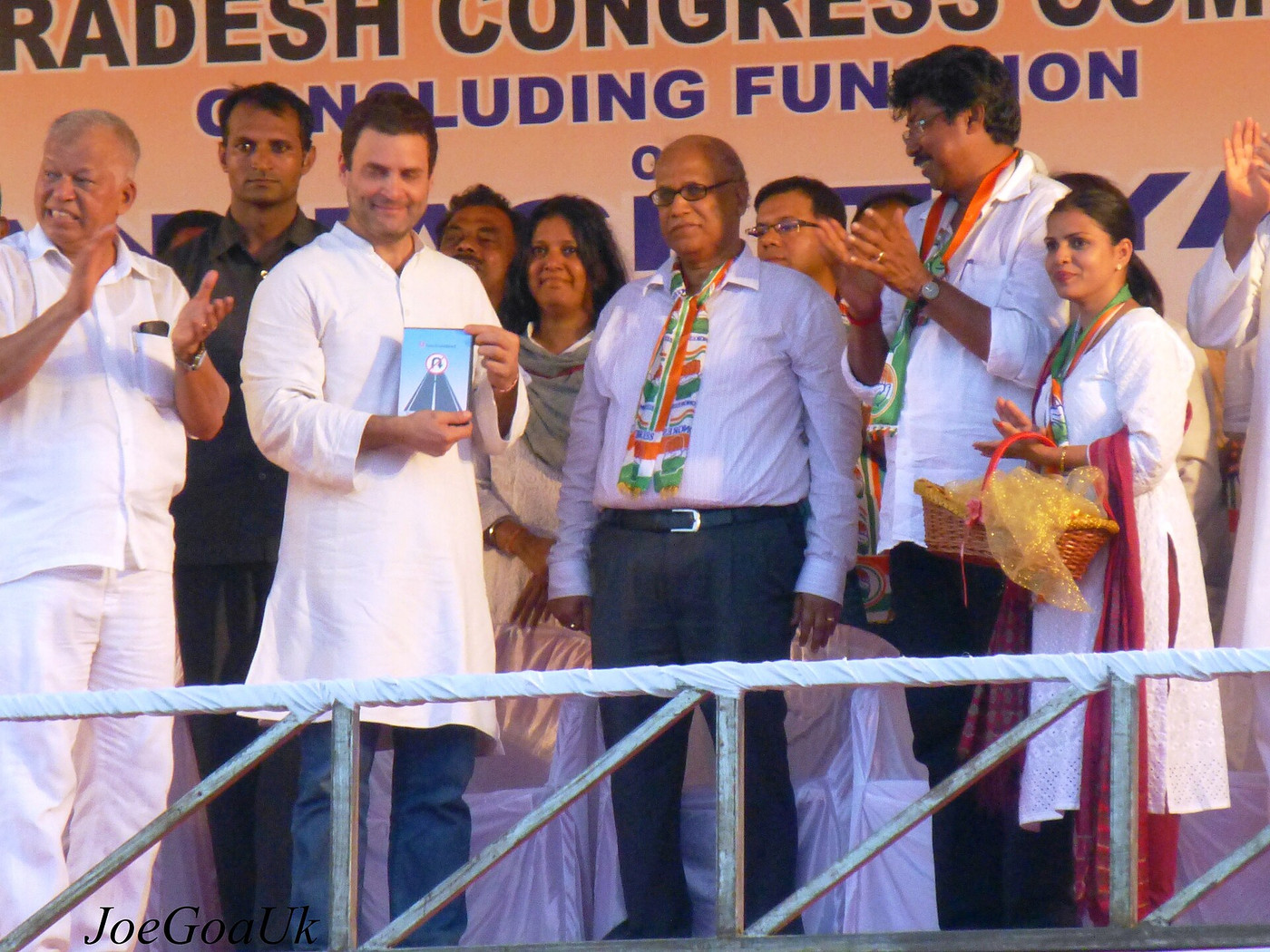
File photo: joegoauk Last Namegoa (CC BY-SA 2.0), via Wikimedia Commons
A Sultanpur MP/MLA court on October 26, 2026 acquitted Rahul Gandhi in a 2018 defamation case over his remarks about Amit Shah.
What Happened
A special MP/MLA court in Sultanpur, Uttar Pradesh, on Monday, October 26, 2026, acquitted Congress leader Rahul Gandhi in a criminal defamation case filed in 2018 over his remarks about Amit Shah. Additional Chief Judicial Magistrate Shubham Verma pronounced the verdict with Gandhi present in court. The complainant, local BJP leader Vijay Mishra, has said he will challenge the decision once he has studied the written order.
Key Facts
- Court: special MP/MLA court, Sultanpur, presided over by Additional Chief Judicial Magistrate Shubham Verma.
- Verdict date: Monday, October 26, 2026; the pronouncement had earlier been deferred from October 13.
- Remark at issue: made in Bengaluru in May 2018, during the Karnataka Assembly election campaign, when Shah was the BJP's national president.
- Complaint: filed on August 4, 2018 by Vijay Mishra under Sections 499 and 500 of the Indian Penal Code, which define and punish defamation.
- Gandhi surrendered before the court and was granted bail in February 2024; three witnesses were examined during the trial.
- According to Gandhi's lawyer, Kashi Prasad Shukla, the court found that the complainant was not an "aggrieved person" entitled to bring the case.
- The complainant's side has said it will appeal after examining the full judgment.
Why It Matters
The case went back to the campaign for the 2018 Karnataka Assembly election. Speaking in Bengaluru, Gandhi was alleged to have described the then BJP president as a "murder accused". The complainant said the words referred to the Sohrabuddin Sheikh encounter case of 2005. Shah had been discharged in that case by a special CBI court in December 2014, and the complaint argued that calling him an accused years after that discharge was defamatory.
Criminal defamation in India is unusual because the person defamed does not always have to be the one who goes to court. The law allows "some person aggrieved" to file a complaint, and courts have repeatedly been asked how far that phrase stretches when a politician's supporters or party colleagues file cases on a leader's behalf. According to Gandhi's counsel, the Sultanpur court held that Mishra did not meet that test. Reports of the verdict also say the court found the statements did not meet the legal requirements of criminal defamation. The full written reasoning had not been made public on Monday, and Gandhi's lawyer said the grounds could only be detailed once the judgment was available.
The trial was slow. Gandhi was summoned in late 2023, surrendered and got bail in February 2024, and then appeared before the court several times. During the trial, the complainant asked the court to compare a sample of Gandhi's voice with a recording of the speech. The trial court refused, and later challenges to that order were rejected by the sessions court and by the Allahabad High Court, according to reports of the case.
Gandhi faces several other defamation complaints filed by political opponents in different states. Monday's verdict decides only this complaint; it has no effect on the others.
| Case point | Detail |
|---|---|
| Remark | Bengaluru, May 2018, Karnataka campaign |
| Complaint filed | August 4, 2018, Sultanpur |
| Bail | February 2024 |
| Verdict | Acquitted, October 26, 2026 |
| Next step | Complainant says he will appeal |
Impact
Short-term: Gandhi no longer faces trial in Sultanpur in this case, and he does not have to appear before the court again unless an appeal is admitted. The complainant's side says the legal fight is not over.
Long-term: If the written judgment rests on the complainant's lack of standing, it adds to a line of rulings that limit who can file criminal defamation cases over remarks about public figures. An appeal would go to the sessions court first, and the case could move to the High Court after that.
Who is affected: Rahul Gandhi and his legal team; the complainant and the BJP's local unit in Sultanpur; and political leaders across parties who face, or file, defamation complaints over campaign speeches.
Key Takeaway
A Sultanpur court has ended an eight-year-old defamation case against Rahul Gandhi over his 2018 remark about Amit Shah, though the complainant plans to appeal.
Questions and Answers
Why was Rahul Gandhi acquitted in the Amit Shah defamation case?
The Sultanpur MP/MLA court acquitted him on October 26, 2026. According to his lawyer, the court found the complainant, Vijay Mishra, was not an aggrieved person entitled to file the case, and reports say the remarks were held not to amount to criminal defamation. The full written judgment was not yet public.
What remark was the case about?
In Bengaluru in May 2018, during the Karnataka Assembly campaign, Gandhi was alleged to have called Amit Shah, then BJP president, a "murder accused", in reference to the 2005 Sohrabuddin Sheikh encounter case, from which Shah was discharged in December 2014.
Is the case finished for good?
Not necessarily. The complainant has said he will challenge the acquittal after studying the written order. An appeal would first be heard by the sessions court.
Does this verdict affect Rahul Gandhi's other defamation cases?
No. It decides only the Sultanpur complaint. The other defamation cases filed against him in different states continue separately.
Disclaimer: Prepared by the Peepals newsroom from publicly available sources with AI assistance. Information is accurate to the best of our knowledge at the time of publication and may change. Images may be representative. Not professional advice. Report an error via our contact page.
By Meera Iyer, Governance & Policy EditorCovers Governance & Policy and more for Peepals Bharat. All stories by Meera Iyer
EPS-95 higher pension: Bombay HC says PF trust rules cannot block claims
Premada Oorali crosses Rs 100 crore net, a rare Kannada sleeper hit
Meera Iyer is a pen name of the Peepals Global Editorial Team, which researches, fact-checks and publishes every story. The portrait is an illustration.