
Rajasthan to conserve 662 Shekhawati havelis, plans three-district heritage circuit
 By Aditi KulkarniEducation Writer, Peepals Bharat
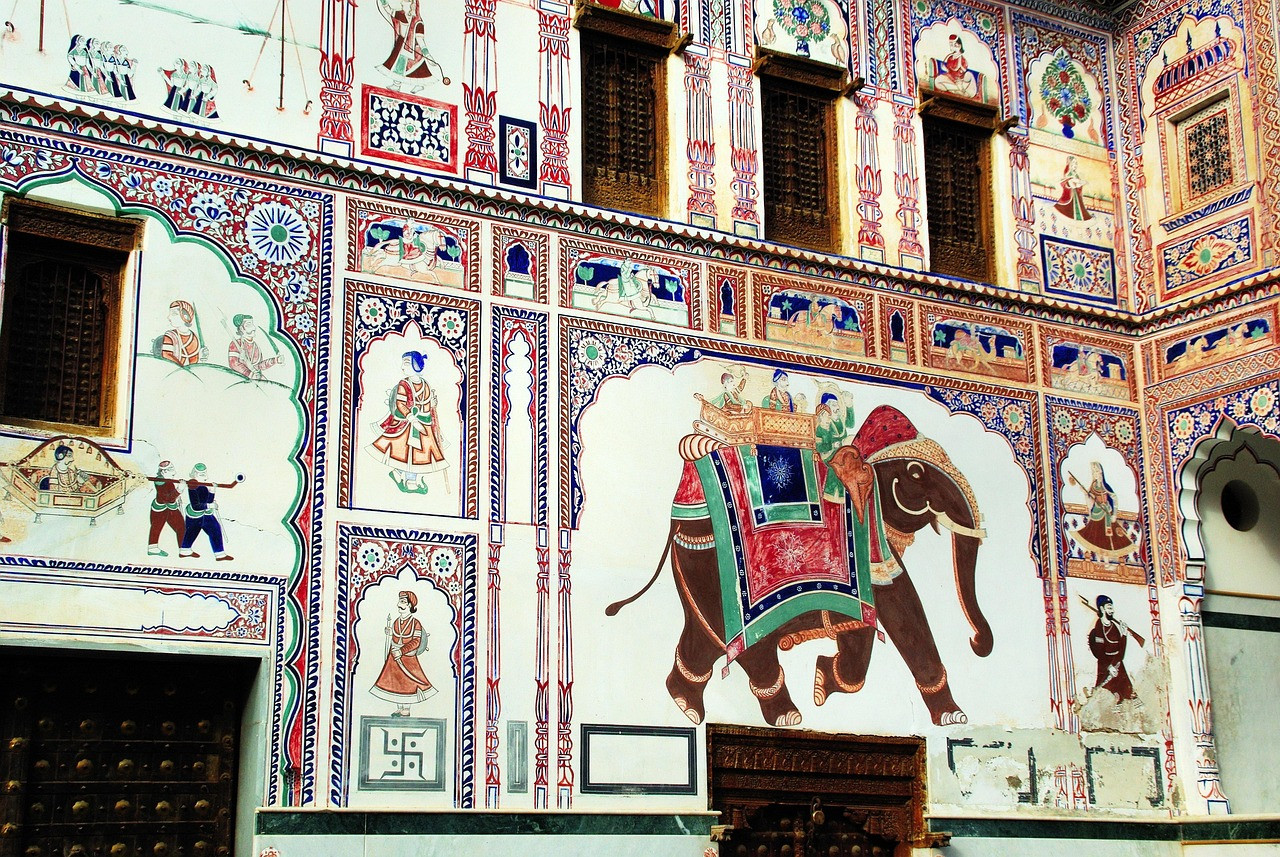
Representative image: DEZALB / Pixabay
Rajasthan will conserve 662 Shekhawati havelis and build a heritage circuit across Sikar, Jhunjhunu and Churu, the Chief Minister said on October 24, 2026.
What Happened
Rajasthan plans to conserve 662 historic havelis in the Shekhawati region and to develop a heritage tourism circuit linking the districts of Sikar, Jhunjhunu and Churu, Chief Minister Bhajanlal Sharma said at the Shekhawati Heritage and Development Summit in Jaipur on Saturday, October 24, 2026. The government says the work will keep the havelis' original architecture and painted walls intact and will train local artists and craftspeople to do it. Sharma also announced a Shekhawati heritage meet on December 8 for people from the region living across India and abroad.
Key Facts
- Announcement: Shekhawati Heritage and Development Summit, Jaipur, Saturday, October 24, 2026.
- Who: Rajasthan Chief Minister Bhajanlal Sharma.
- Scope: conservation of 662 havelis (traditional mansions) in Shekhawati.
- Tourism plan: a heritage circuit across Sikar, Jhunjhunu and Churu districts.
- Method: original architecture and traditional frescoes to be kept intact; local artists and craftspeople to be trained for the conservation work.
- Next event: a Shekhawati heritage meet on December 8, 2026, aimed at people from the region living elsewhere in India and abroad.
- Background: the 662 havelis were first identified for conservation in December 2025, when the Chief Minister also said a law could be brought to protect such structures.
- UNESCO: the state government has said that havelis in towns including Mandawa, Nawalgarh, Fatehpur, Ramgarh, Churu, Jhunjhunu and Sikar have been placed on UNESCO's tentative list for World Heritage status.
Why It Matters
Shekhawati is known for its havelis: large family homes with courtyards and walls covered in painted frescoes. The state's plan is meant both to conserve these buildings and to turn them into a reason for travellers to visit the region.
For travellers, the circuit would link haveli towns across three districts, such as Mandawa and Nawalgarh, under one plan. A planned circuit could also spread visitors beyond the best-known heritage cities of Rajasthan.
The approach the government describes matters for how the havelis will look afterwards. Conservation that keeps original materials and paintings is slower and needs skilled hands, which is why the plan includes training local artists. Done well, it can create work for painters, masons and craftspeople in the districts themselves.
Some questions remain open. The government has not announced a budget for the conservation work, a timeline, or how it will deal with owners, many of whom live far away. The protective law first mentioned in 2025 has not yet been reported as passed. The December 8 meet, aimed at people from the region living elsewhere, could help reach owners who no longer live in Shekhawati.
| Detail | What the government has said |
|---|---|
| Havelis to be conserved | 662 |
| Districts in the circuit | Sikar, Jhunjhunu, Churu |
| Conservation approach | Keep original architecture and frescoes; train local artisans |
| Heritage meet | December 8, 2026 |
| Budget and timeline | Not announced |
Impact
Short-term: Travel operators and homestay owners in Shekhawati may see more interest as the plan is publicised, and the December 8 meet will bring the region's families together with the government.
Long-term: If the conservation and the circuit are carried out, Shekhawati could become a more established heritage destination, with more stays, guided walks and jobs for local artisans. The outcome depends on funding, owners' cooperation and the proposed law. A law to protect such heritage structures, which the Chief Minister first spoke of in December 2025, would give the conservation drive legal backing if it is passed.
Who is affected: Haveli owners and their families, residents and artisans of Sikar, Jhunjhunu and Churu, tourism businesses in the region, and travellers interested in Rajasthan's heritage.
Key Takeaway
Rajasthan has announced a plan to conserve 662 Shekhawati havelis and create a heritage circuit across Sikar, Jhunjhunu and Churu, though no budget or timeline has been given.
Questions and Answers
What did Rajasthan announce for Shekhawati's havelis?
At a summit in Jaipur on October 24, 2026, Chief Minister Bhajanlal Sharma said the state will conserve 662 historic havelis in Shekhawati and develop a heritage tourism circuit linking Sikar, Jhunjhunu and Churu.
Which towns are part of Shekhawati's heritage?
The state government has named havelis in towns including Mandawa, Nawalgarh, Fatehpur, Ramgarh, Churu, Jhunjhunu and Sikar among those placed on UNESCO's tentative list.
How will the havelis be conserved?
The government says the original architecture and traditional frescoes will be kept intact, and local artists and craftspeople will be trained to carry out the work.
When is the Shekhawati heritage meet?
The Chief Minister announced a Shekhawati heritage meet on December 8, 2026, for people from the region living in India and abroad.
Disclaimer: Prepared by the Peepals newsroom from publicly available sources with AI assistance. Information is accurate to the best of our knowledge at the time of publication and may change. Images may be representative. Not professional advice. Report an error via our contact page.
By Aditi Kulkarni, Education WriterCovers Education and more for Peepals Bharat. All stories by Aditi Kulkarni
Punjab terminates 253 Master Cadre teachers after court-ordered merit revision
JLN Stadium traffic advisory: roads to avoid for October 30 Diljit show
Get the day's stories in your inbox
Peepals Weekly: the week decoded, free. One email a week, unsubscribe in one click.
Aditi Kulkarni is a pen name of the Peepals Global Editorial Team, which researches, fact-checks and publishes every story. The portrait is an illustration.