
UltraTech Cement Q2 profit rises 21% to Rs 1,501 crore on volumes
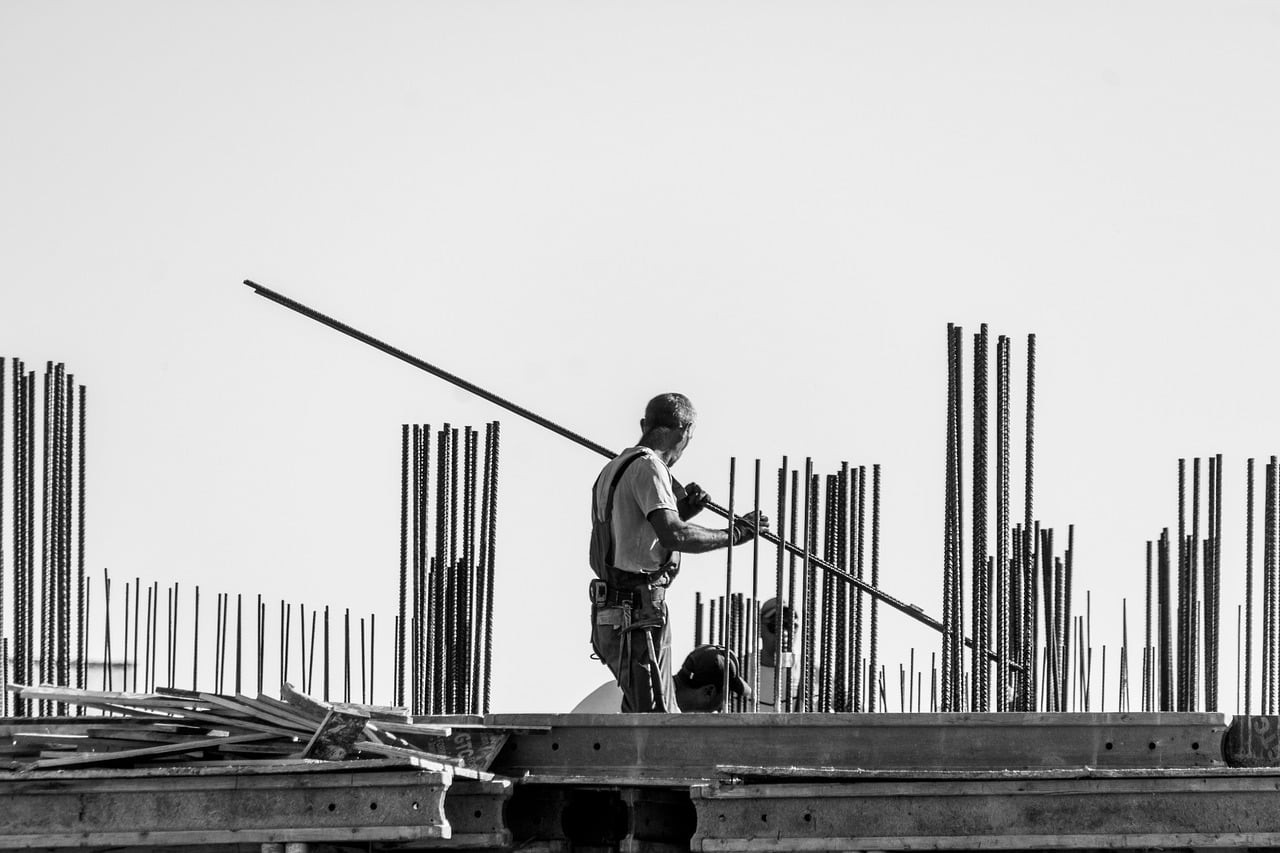
Representative image: wal_172619 / Pixabay
UltraTech Cement's Q2 FY27 profit rose 21% to Rs 1,501.38 crore and domestic grey cement sales grew 13.8%, the company reported on October 19, 2026.
What Happened
UltraTech Cement, India's largest cement maker and part of the Aditya Birla Group, reported on October 19, 2026 that its consolidated net profit rose 21.3% to Rs 1,501.38 crore in the July to September quarter, from Rs 1,237.98 crore a year earlier. Revenue from operations grew 18.8% to Rs 23,295.07 crore, driven by higher sales: the company's domestic grey cement volumes rose 13.8% to 35.94 million tonnes. The results cover the second quarter of the 2026-27 financial year, a period that includes the monsoon months, when construction usually slows.
Key Facts
- Consolidated net profit: Rs 1,501.38 crore, up 21.3% from Rs 1,237.98 crore in the same quarter of 2025-26.
- Profit attributable to the company's shareholders: Rs 1,493.77 crore, against Rs 1,231.58 crore a year earlier.
- Consolidated revenue from operations: Rs 23,295.07 crore, up 18.8% from Rs 19,606.93 crore.
- Domestic grey cement sales volume: 35.94 million tonnes, up 13.8% from 31.58 million tonnes.
- Total consolidated sales volume: 38.22 million tonnes, up 12.9%.
- On a standalone basis, revenue rose 23.75% to Rs 22,107.68 crore and net profit rose 25.18% to Rs 1,331.78 crore.
- On its earnings call, management said fuel and raw material costs rose about 13%, and that cement prices strengthened in September and October after a weaker August.
Why It Matters
Cement is one of the clearest real-time signals of how much India is building. It goes into roads, railways, bridges, ports, factories, offices and, above all, homes. When the country's largest producer sells nearly 14% more grey cement at home than a year ago, during a quarter dominated by the monsoon, it points to steady demand from government infrastructure projects and private housing.
The numbers also show how the company kept profits rising despite higher costs. Fuel, such as coal and petroleum coke used to fire kilns, and raw materials became more expensive in the quarter. Selling much larger volumes spread fixed costs, such as plant upkeep and salaries, over more tonnes, which helped protect margins. This is known as operating leverage. Management's comment that prices firmed in September and October suggests the company expects better realisations, the price it actually receives per tonne, in the second half of the year, when construction activity usually picks up after the rains.
For the wider economy, UltraTech's results matter because the company is large enough to reflect national trends across regions. Strong cement volumes support jobs in transport, construction and allied industries such as steel, paint and building materials, and they feed into the government's own push on capital spending.
There are risks. Higher energy costs, partly linked to tension in West Asia that has pushed up global oil and fuel prices, could squeeze margins if they keep rising and price increases do not stick. Cement demand also depends on how quickly state and central governments release funds for projects in the coming months.
| Measure | Q2 FY27 | Change from a year earlier |
|---|---|---|
| Consolidated net profit | Rs 1,501.38 crore | Up 21.3% |
| Revenue from operations | Rs 23,295.07 crore | Up 18.8% |
| Domestic grey cement volume | 35.94 million tonnes | Up 13.8% |
| Total consolidated volume | 38.22 million tonnes | Up 12.9% |
| Standalone net profit | Rs 1,331.78 crore | Up 25.2% |
Impact
Short-term: Indian stock exchanges are closed on October 20 for Dussehra, so investors will react to the results when trading resumes on October 21. Builders and dealers will watch whether the price increases of September and October hold through the festive season.
Long-term: Sustained volume growth supports the case for more capacity additions across the industry. If demand from infrastructure and housing stays firm, it would also suggest that investment-led growth in the economy is holding up.
Who is affected: Home buyers and builders, infrastructure contractors, cement dealers and transporters, workers in construction and allied industries, and UltraTech's shareholders.
Key Takeaway
UltraTech Cement grew profit 21% and domestic volumes nearly 14% in the monsoon quarter, a sign that construction demand in India stayed strong despite higher fuel and raw material costs.
Questions and Answers
What were UltraTech Cement's Q2 FY27 results?
For the quarter ended September 30, 2026, consolidated net profit rose 21.3% to Rs 1,501.38 crore and revenue from operations rose 18.8% to Rs 23,295.07 crore, the company reported on October 19, 2026.
How much cement did UltraTech sell in the quarter?
Domestic grey cement volumes were 35.94 million tonnes, up 13.8% from a year earlier, and total consolidated volumes were 38.22 million tonnes, up 12.9%.
What do the results say about construction demand in India?
Strong volume growth during the monsoon quarter, when building usually slows, suggests steady demand from infrastructure projects and housing.
Did higher costs hurt UltraTech?
Fuel and raw material costs rose about 13%, according to management, but higher sales volumes spread fixed costs and helped profit grow. The company said cement prices improved in September and October.
Disclaimer: Prepared by the Peepals newsroom from publicly available sources with AI assistance. Information is accurate to the best of our knowledge at the time of publication and may change. Images may be representative. Not professional advice. Report an error via our contact page.
Sourced and fact-checked by the Peepals Global Editorial Team
Reported, fact-checked and published by the Peepals Global Editorial Team.