
AstraZeneca $1.5 billion savings plan: no net job cuts, AI reskilling
 By Pooja MehraIndustry Trends Analyst, Peepals Tech
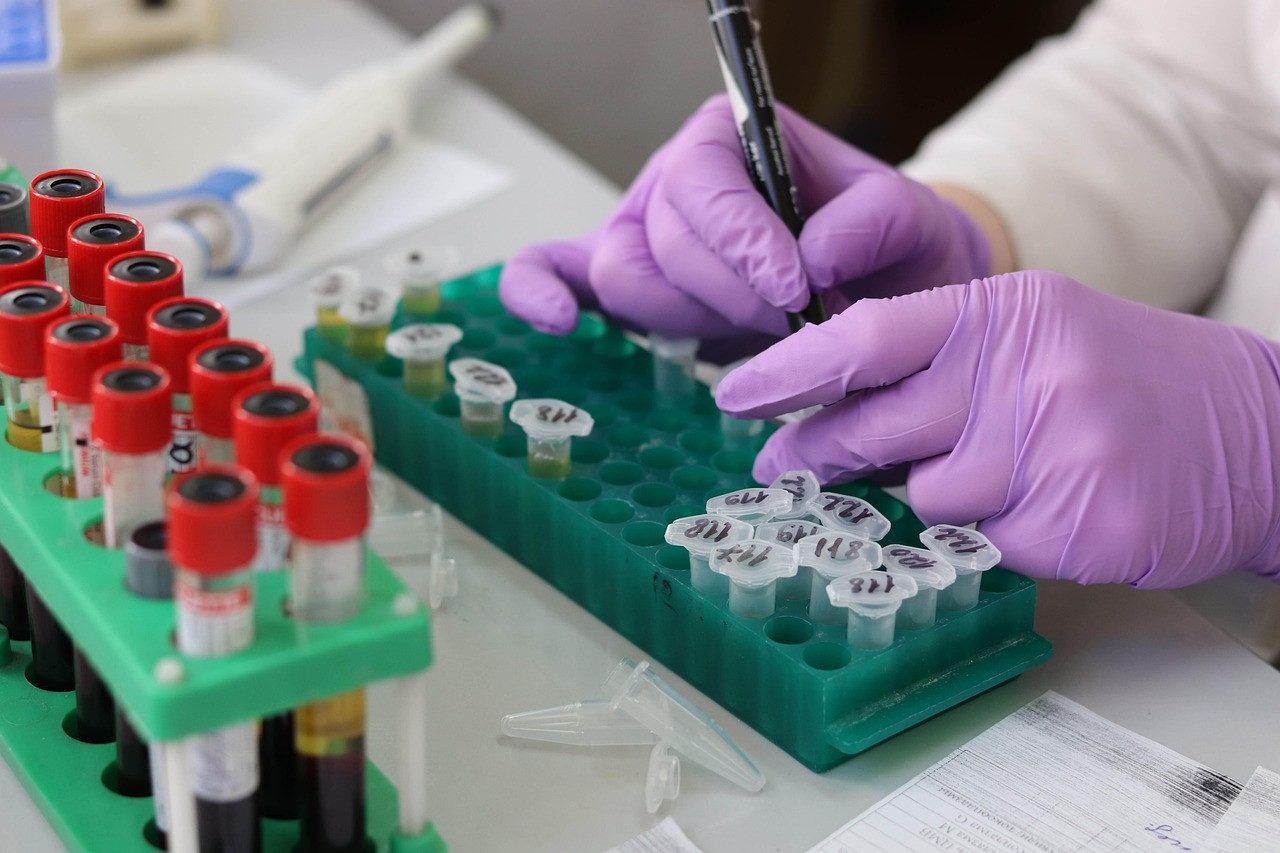
Representative image: Belova59 / Pixabay
AstraZeneca's $1.5 billion-a-year savings plan, announced October 30, 2026, promises no net job losses and leans on reskilling staff and AI tools.
What Happened
Drugmaker AstraZeneca announced a three-year restructuring on Friday, October 30, 2026, alongside its third-quarter results, that aims to save about $1.5 billion a year by 2029 and put the money back into its drug pipeline. The company said the programme, called Reshaping for Sustainable Growth, would not lead to a net reduction in jobs. Instead, executives said staff would be moved to growing areas, some employees would be upskilled or reskilled, new people would be hired, and technology, including AI, would be used to work more efficiently.
Key Facts
- The programme targets annual savings of about $1.5 billion by 2029, to be reinvested mainly in a pipeline of more than 180 projects.
- Restructuring charges could reach about $2 billion.
- Chief financial officer Aradhana Sarin said the plan "won't lead to a net reduction in jobs" and that, net-net, the company would still be adding jobs, perhaps of different types or in different areas.
- Chief executive Pascal Soriot said "you don't spend $1.5 billion without creating jobs."
- Executives said the programme would touch all parts of the business and could shift some workers and resources to emerging areas.
- The company said it would upskill or reskill certain employees, hire new people or use technology for efficiency.
- Third-quarter revenue rose 7 per cent to $16.21 billion, and the company kept its outlook for 2026.
Why It Matters
Company restructurings often come with job cuts, and many are now linked to artificial intelligence (AI), the software that can draft, sort and analyse work that people used to do by hand. AstraZeneca's plan is notable because the company is saying the opposite: that it will change what many of its people do rather than reduce how many it employs. One report on the results noted that the company did not spell out whether some individual roles would still be cut, so the promise is about the overall number, not every job.
For people building careers in technology, science and business services, the message is about skills more than headcount. When a company says it will "reskill" staff and move them to "emerging areas", it means the jobs that grow will need different abilities, such as working with data and AI tools, while some routine roles shrink. Reports on the results said more than 17,000 AstraZeneca employees are already certified in AI and about 1,000 AI pilot projects are running inside the company. Those figures show how fast AI skills are becoming a normal part of work in a large science company, not only in software firms.
For job seekers in India and elsewhere, global employers moving money into research and new projects can mean openings in drug discovery support, data analysis, clinical operations and digital roles, though the company has not said where new jobs will be created.
Peepals calculation: If restructuring charges reach the reported $2 billion and the full $1.5 billion of yearly savings is achieved, the savings would cover the cost in about 16 months (2 ÷ 1.5 ≈ 1.33 years). Against third-quarter revenue of $16.21 billion, which is roughly $64.8 billion a year if repeated for four quarters (16.21 × 4), the targeted savings equal about 2.3 per cent of annual revenue (1.5 ÷ 64.8). Our calculation from the reported figures.
| Measure | Reported figure |
|---|---|
| Annual savings target by 2029 | about $1.5 billion |
| Possible restructuring charges | about $2 billion |
| Q3 2026 revenue | $16.21 billion, up 7% |
| AI-certified employees | more than 17,000 |
Impact
Short-term: AstraZeneca employees can expect changes in roles and teams across the business as resources shift, along with reskilling programmes, while the company says total headcount will not fall.
Long-term: If the plan works, more of the company's spending will go to research and new medicines, and its workforce will lean more on data and AI skills. Other large employers may watch whether a "reskill, don't cut" approach can deliver the same savings as layoffs.
Who is affected: AstraZeneca's staff worldwide, job seekers in pharmaceuticals, data and AI roles, the company's shareholders, and patients who depend on new medicines from its pipeline.
What to watch next: The programme runs to 2029, when the company aims to reach the full $1.5 billion in annual savings.
Key Takeaway
AstraZeneca's $1.5 billion savings plan promises no net job losses and leans on reskilling and AI, a sign that in large companies the skills people need are changing faster than the number of jobs.
Questions and Answers
What is AstraZeneca's $1.5 billion savings plan?
Announced on October 30, 2026, it is a three-year restructuring called Reshaping for Sustainable Growth that aims to save about $1.5 billion a year by 2029 and reinvest the money mainly in more than 180 drug projects. Restructuring charges could reach about $2 billion.
Will AstraZeneca cut jobs under the plan?
The company's chief financial officer said the plan will not lead to a net reduction in jobs and that the company expects to keep adding jobs overall, though some roles may change or move to other areas.
What does reskilling mean in AstraZeneca's plan?
The company said it will train some employees for new kinds of work, hire new people, and use technology, including AI, to work more efficiently. Reports said more than 17,000 of its employees are already AI-certified.
How did AstraZeneca perform in the third quarter of 2026?
Revenue rose 7 per cent to $16.21 billion, and the company kept its outlook for the full year 2026.
Disclaimer: Prepared by the Peepals newsroom from publicly available sources with AI assistance. Information is accurate to the best of our knowledge at the time of publication and may change. Images may be representative. Not professional advice. Report an error via our contact page.
By Pooja Mehra, Industry Trends AnalystCovers Industry News & Trends and more for Peepals Tech. All stories by Pooja Mehra
Get the day's stories in your inbox
Peepals Weekly: the week decoded, free. One email a week, unsubscribe in one click.
Pooja Mehra is a pen name of the Peepals Global Editorial Team, which researches, fact-checks and publishes every story. The portrait is an illustration.