
UK sets up £100 million AI Biosecurity Lab with OpenAI, Anthropic
 By Anika SharmaAI & Innovations Editor, Peepals Tech
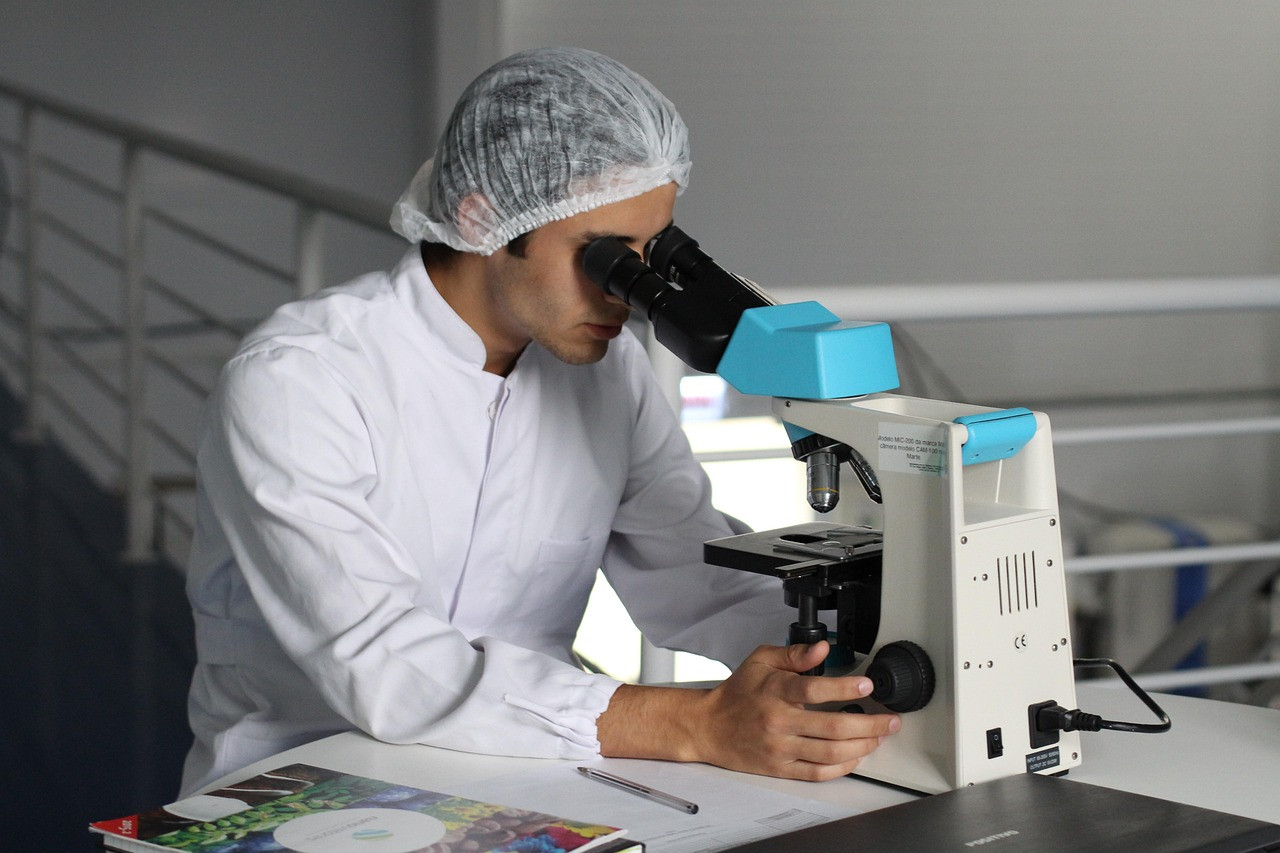
Representative image: luvqs / Pixabay
Britain announced a £100 million AI Biosecurity Lab on October 23, 2026, with OpenAI, Anthropic and Google DeepMind as partners, to track biological threats.
What Happened
The United Kingdom has announced a £100 million AI Biosecurity Lab, a new independent, non-profit body that will use artificial intelligence to detect and monitor biological threats, with OpenAI, Anthropic and Google DeepMind signed up as partners. The government announced the lab on October 23, 2026, as part of a £165 million National AI Biosecurity Initiative and a wider AI security package of more than £600 million set out ahead of the October 28 Budget. AI minister Kanishka Narayan said the government wanted the facility to become a leading international centre for biosecurity research. No director, site or start date has been named yet.
Key Facts
- The government will provide £100 million for the AI Biosecurity Lab, which the Cabinet Office said will operate as an independent, non-profit organisation, modelled on the way the AI Security Institute is run.
- A further £65 million in the same initiative goes to biological surveillance and to developing medical countermeasures, such as treatments, against priority pathogens.
- OpenAI and Anthropic will contribute AI model credits, computing access and technical support, together worth up to about £200 million according to reports; the companies' pledges are mostly in kind rather than cash.
- OpenAI will also give access to its models through what it calls its Rosalind Biodefense programme; Anthropic's pledge is described as capped at £100 million.
- Google DeepMind joins as a research partner rather than a funder, and London-based Basecamp Research will share its AI biology models; the government has not put a money value on these two partnerships.
- Public bodies taking part include the UK Health Security Agency and the Defence Science and Technology Laboratory.
- In the same package, funding for the AI Security Institute rises by £120 million to expand its testing of new AI capabilities and risks.
Why It Matters
Biosecurity means protecting people from dangerous biological agents, whether a natural outbreak, a laboratory accident or a deliberate attack. Artificial intelligence cuts both ways here. The same systems that can help scientists design vaccines, read genetic sequences faster or spot an unusual cluster of infections could, in the wrong hands, make it easier to learn how to build something harmful. AI companies have themselves warned about this risk.
The UK's bet is that a dedicated lab, working with the companies that build the most capable models, can push the useful side forward while learning early where the dangers are. Giving it independent, non-profit status, rather than placing it inside a ministry, is meant to let it hire specialists and work with industry flexibly, as the AI Security Institute already does for testing frontier models.
The company contributions deserve a careful reading. Model credits are prepaid use of a firm's AI systems, not money the lab can spend as it likes, and their headline value depends on list prices the companies set. They are useful because AI research needs large amounts of computing, but they also tie the lab's work to particular products. The government has said it wants public and philanthropic money to fund the lab over time, which suggests it does not want to depend on the firms alone.
For Indian readers, and for India's own policymakers and drug makers, the British model is worth watching. Countries are now competing to host the institutions that set the rules and tests for advanced AI, and biosecurity is becoming one of the first areas where those tests are applied in practice.
| Item | Amount |
|---|---|
| AI Biosecurity Lab (government) | £100 million |
| Biosurveillance and countermeasures | £65 million |
| National AI Biosecurity Initiative total | £165 million |
| Extra for AI Security Institute | £120 million |
| Company model credits (reported) | up to about £200 million |
Impact
Short-term: The government must now appoint leadership, choose a site and set the lab's research agenda. The October 28 Budget will show how the wider £600 million AI security package fits into public spending plans.
Long-term: If the lab works, it could become a reference point for how governments and AI companies jointly test and use AI in biology, and could shape international standards on what models are allowed to do in this field.
Who is affected: Public-health agencies, biology and AI researchers, the companies supplying models and credits, and other governments, including India's, that are deciding how to oversee advanced AI.
Key Takeaway
Britain is putting £100 million of public money into an independent lab that will use AI from OpenAI, Anthropic and Google DeepMind to watch for biological threats, betting that partnership with the model makers is the fastest route to safer AI in biology.
Questions and Answers
What is the UK AI Biosecurity Lab?
It is a new independent, non-profit body announced on October 23, 2026, funded with £100 million by the UK government, that will use AI to detect and monitor biological threats and support work on countermeasures.
What are OpenAI, Anthropic and Google DeepMind contributing?
OpenAI and Anthropic are giving AI model credits, access and technical support, reported to be worth up to about £200 million together. Google DeepMind is a research partner; its terms have not been disclosed.
Why does AI matter for biosecurity?
AI can speed up the detection of outbreaks and the design of treatments, but it could also help someone misuse biology. The lab is meant to develop the benefits while studying and limiting those risks.
When will the lab start work?
The government has not given a start date, a location or the name of a director.
Disclaimer: Prepared by the Peepals newsroom from publicly available sources with AI assistance. Information is accurate to the best of our knowledge at the time of publication and may change. Images may be representative. Not professional advice. Report an error via our contact page.
By Anika Sharma, AI & Innovations EditorCovers AI & Innovation and more for Peepals Tech. All stories by Anika Sharma
Hyundai Bayon launches in India today with Perplexity AI voice assistant
Mave launches with $34 million for AI agents that run security triage
Anika Sharma is a pen name of the Peepals Global Editorial Team, which researches, fact-checks and publishes every story. The portrait is an illustration.