
World Bank's first digital strategy targets 1 billion users, jobs gap
 By Pooja MehraIndustry Trends Analyst, Peepals Tech
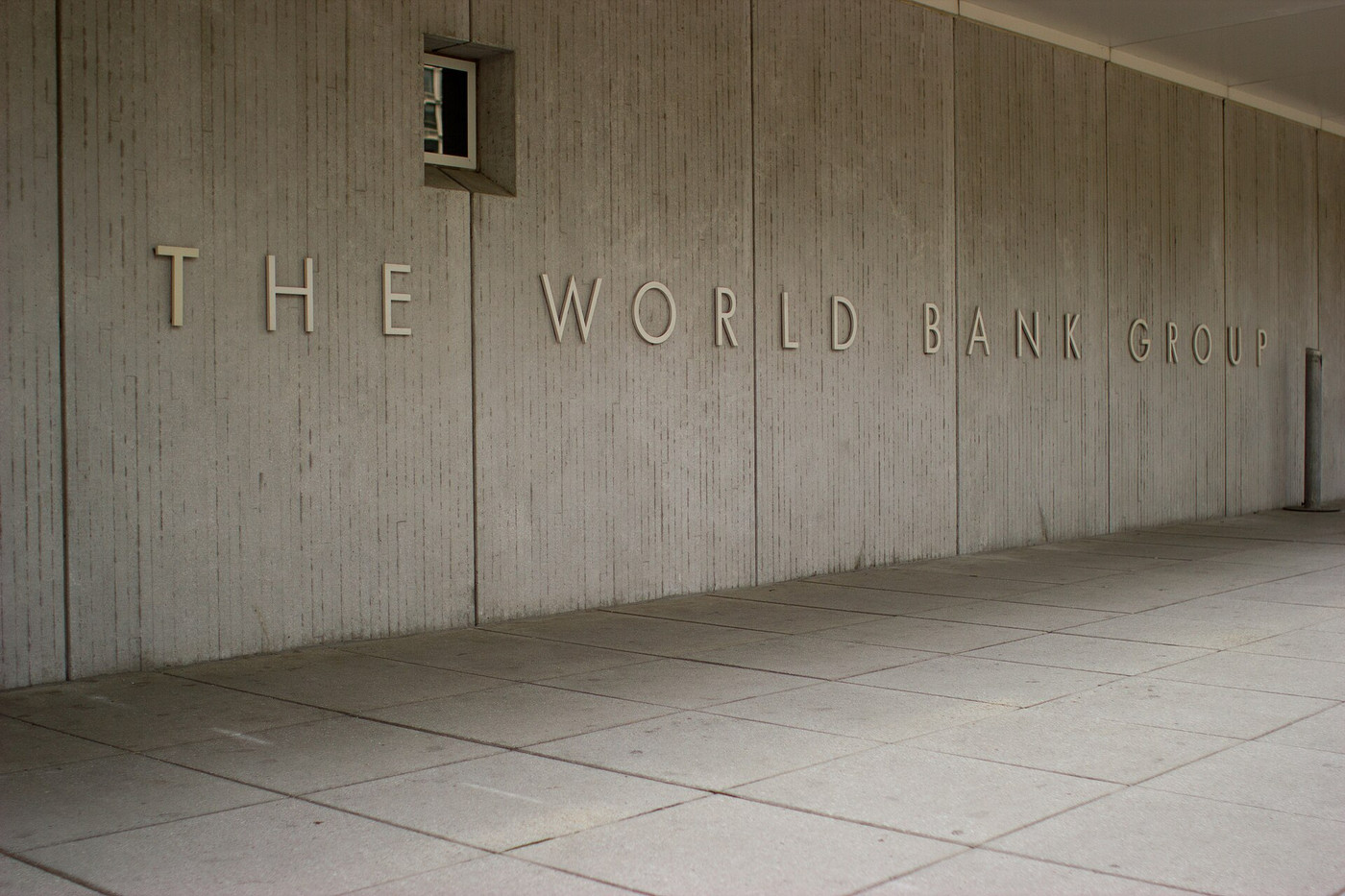
File photo: Victorgrigas (CC BY-SA 3.0), via Wikimedia Commons
The World Bank launched its first digital strategy in Seoul on October 20, 2026, aiming to connect one billion people by 2030 and help close a youth jobs gap.
What Happened
The World Bank Group launched its first digital strategy on October 20, 2026, at its first Global AI and Digital Summit in Seoul, South Korea, and tied it directly to jobs. The strategy aims to bring broadband and digital services to one billion people by 2030: 600 million using broadband internet, including 300 million women and girls, and 400 million using digitally enabled services. World Bank Group President Ajay Banga presented it as a way for developing countries to create jobs, with a focus on affordable, practical AI tools that he called "small AI".
Key Facts
- Launch: October 20, 2026, at the World Bank's first Global AI and Digital Summit, Seoul.
- Target for 2030: one billion people, made up of 600 million broadband users and 400 million users of digitally enabled services.
- The broadband goal includes 300 million women and girls, and counts both new users and people whose existing access improves.
- Four priorities: internet connectivity, cheaper devices and services, digital ecosystems, and preparing countries to adopt AI.
- The jobs gap behind the plan: about 1.2 billion young people will reach working age in developing countries over the next 10 to 15 years, while their economies are expected to create about 420 million jobs.
- The World Bank estimates that 228 million people still lack broadband coverage and more than 2.2 billion do not use the internet.
- The strategy backs digital identity, digital payments, secure data sharing and training linked to employment.
Why It Matters
For people building careers in technology, the most important line in the strategy is not about cables or towers. It is the jobs arithmetic. If about 1.2 billion young people reach working age while only about 420 million new jobs are expected, the gap runs to roughly 780 million people. The World Bank's answer is that cheap, reliable internet access and practical digital tools can raise productivity in small firms, farms and public services, and so create work that does not exist today.
"Small AI" is the World Bank's term for low-cost AI applications that run on ordinary phones and modest computing power, such as a farm advisory tool, a translation service or a clinic's record system, rather than large, expensive frontier models. The strategy says countries need access to computing power, usable local data and technical skills so they can adopt AI without relying entirely on costly foreign infrastructure. That points to demand for people who can build, adapt, deploy and support such tools in local languages and local settings.
The strategy also leans on digital public infrastructure, a term for shared, government-backed digital systems such as identity, payments and data-sharing platforms. India is one of the best-known examples of this model, with Aadhaar for identity and UPI for payments. As the World Bank helps other countries build similar systems, Indian engineers, product managers and IT services firms that have worked on such platforms may find more openings abroad, either directly or through projects funded by the World Bank.
Affordability is the other big piece. The World Bank says it will work with device makers, mobile operators, financial institutions and refurbishment businesses to bring down the cost of phones and broadband. Cheaper devices widen the market for apps and digital services, and for the people who make them.
| Item | Detail |
|---|---|
| Launch date | October 20, 2026 |
| Place | Seoul, South Korea |
| Broadband goal by 2030 | 600 million people |
| Digital services goal by 2030 | 400 million people |
| Women and girls within broadband goal | 300 million |
Impact
Short-term: The strategy sets the direction of the World Bank's lending and advice for its 2026 to 2030 plan. Governments in developing countries can now seek support for connectivity, digital ID, payments and AI readiness under one framework. No separate funding figure for the strategy was announced; it combines the World Bank's loans, policy advice, guarantees and private investment.
Long-term: If the targets are met, hundreds of millions of first-time and better-connected users will come online by 2030, creating demand for digital services, local-language content, cybersecurity, data work and the skills to run them. Whether that turns into enough jobs will depend on how fast skills training keeps up.
Who is affected: Young job seekers in developing countries; technology workers and students looking at digital-economy careers; IT services and digital public infrastructure firms, including Indian ones; telecom operators and device makers; and governments planning skills programmes.
Key Takeaway
The World Bank's first digital strategy, launched on October 20, 2026, ties a goal of one billion connected users by 2030 to the need to create jobs for about 1.2 billion young people.
Questions and Answers
What is the World Bank's digital strategy launched in October 2026?
It is the World Bank Group's first digital strategy, launched in Seoul on October 20, 2026. It aims to get 600 million people using broadband and 400 million using digital services by 2030, with a focus on connectivity, affordability, digital systems and AI readiness.
What does "small AI" mean in this strategy?
It refers to affordable, practical AI tools that can run on everyday devices and modest computing power to improve productivity and public services, rather than large and costly AI models.
Why does the World Bank link the strategy to jobs?
The World Bank says about 1.2 billion young people will reach working age in developing countries over the next 10 to 15 years, while their economies are expected to create only about 420 million jobs. It sees digital access and tools as a way to narrow that gap.
What could this mean for Indian tech professionals?
The strategy promotes digital identity, payments and data-sharing systems of the kind India has built at scale. Projects that copy or adapt that model in other countries may open work for Indian engineers and IT firms, though the World Bank has not announced specific hiring or contracts.
Disclaimer: Prepared by the Peepals newsroom from publicly available sources with AI assistance. Information is accurate to the best of our knowledge at the time of publication and may change. Images may be representative. Not professional advice. Report an error via our contact page.
By Pooja Mehra, Industry Trends AnalystCovers Industry News & Trends and more for Peepals Tech. All stories by Pooja Mehra
Pooja Mehra is a pen name of the Peepals Global Editorial Team, which researches, fact-checks and publishes every story. The portrait is an illustration.