
Adani Energy Solutions Q2 profit more than doubles as revenue jumps 53%
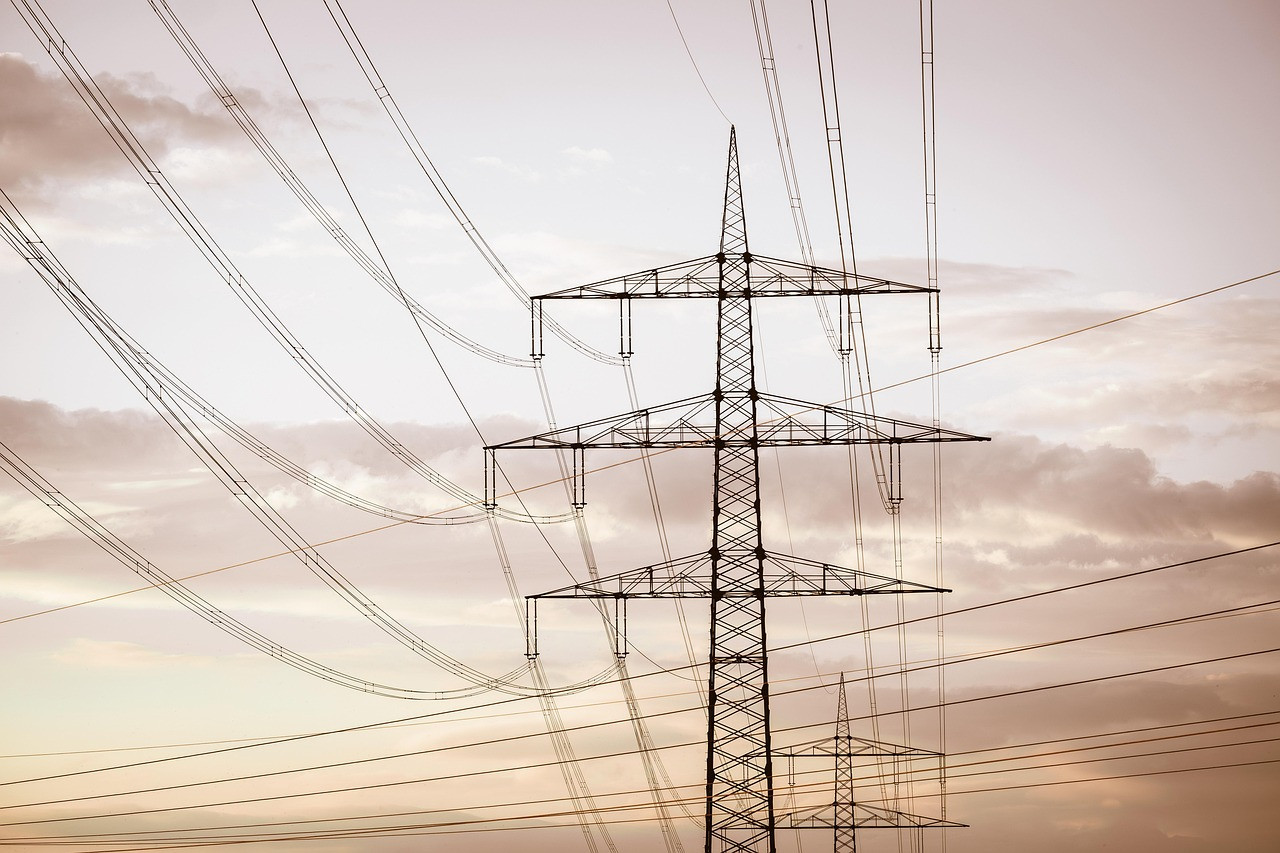
Representative image: Couleur / Pixabay
Adani Energy Solutions' consolidated profit rose to Rs 1,363.92 crore in July-September 2026 as revenue jumped 53% to Rs 10,075.54 crore; it installed 1.3 million smart meters.
What Happened
Adani Energy Solutions, which describes itself as India's largest private power transmission company, reported on 22 October 2026 that its consolidated profit after tax for the July to September 2026 quarter (Q2 FY27) rose to Rs 1,363.92 crore, more than double the year-earlier figure. Revenue from operations rose about 53% to Rs 10,075.54 crore from Rs 6,595.83 crore. The company said it installed 1.3 million smart electricity meters during the quarter, taking its total to 14.8 million, and won two new transmission projects. A one-off tax write-back contributed to the jump in profit, according to market reports on the results.
Key Facts
- Consolidated profit after tax: Rs 1,363.92 crore in Q2 FY27, up about 145% year on year. Profit attributable to the company's owners: Rs 1,322.85 crore.
- Revenue from operations: Rs 10,075.54 crore, up about 53% from Rs 6,595.83 crore a year earlier.
- Smart meters: 1.3 million installed in the quarter; 14.8 million installed in all.
- New projects: Vizag Power Transmission Ltd and Satara Power Transmission Ltd. The company's under-construction transmission pipeline is about Rs 87,000 crore across 15 projects.
- The company raised Rs 3,500 crore through a qualified institutional placement, according to its results presentation as reported.
- Shares fell about 2.2% after the results, according to one market report, which attributed part of the profit growth to a tax write-back.
Why It Matters
Adani Energy Solutions works in three parts of the electricity system that most citizens never see but depend on every day. It builds and runs high-voltage transmission lines that carry power from generating plants to cities; it distributes electricity to homes and businesses in Mumbai; and it installs smart meters for state electricity distribution companies. Its growth is a measure of how fast India is building the grid needed for rising power demand and for renewable energy from solar and wind parks, which are often far from the cities that use the power.
Smart meters are the part of the business that reaches households directly. A smart meter records electricity use digitally and sends readings to the distribution company without a meter reader visiting. Many are prepaid, so consumers recharge them like a mobile phone. The Centre's Revamped Distribution Sector Scheme supports the replacement of old meters with smart meters across states. Installing 1.3 million in one quarter shows the pace of that rollout.
The Rs 87,000 crore pipeline of transmission projects under construction matters for the wider economy. India needs new lines to connect large renewable energy zones to the rest of the grid, so that power from new solar and wind parks can reach consumers. New projects such as those at Vizag in Andhra Pradesh and Satara in Maharashtra add to that build-out.
Readers should note that headline profit growth was helped by a tax write-back, a one-time accounting gain, so it overstates the underlying growth of the business in this quarter. Revenue growth of 53% is a better guide to how much the company's operations expanded.
| Measure | Q2 FY27 (July-September 2026) |
|---|---|
| Revenue from operations | Rs 10,075.54 crore (Rs 6,595.83 crore a year earlier) |
| Consolidated profit after tax | Rs 1,363.92 crore (up about 145%) |
| Smart meters installed in the quarter | 1.3 million |
| Transmission pipeline under construction | about Rs 87,000 crore, 15 projects |
Impact
Short-term: More households in the states where the company holds contracts will see old meters replaced by smart meters. Investors will watch how much of profit growth continues without one-off tax gains.
Long-term: The size of the transmission pipeline suggests continued heavy investment in India's grid, which is needed to carry renewable power and meet growing demand. Execution speed will affect how quickly new solar and wind capacity can feed the grid.
Who is affected: Electricity consumers getting smart meters, state distribution companies, renewable energy developers waiting for grid connections, Mumbai's electricity customers, and the company's shareholders and lenders.
Key Takeaway
Adani Energy Solutions more than doubled its quarterly profit to Rs 1,363.92 crore, helped by a tax write-back, while revenue grew 53% and it added 1.3 million smart meters in July to September 2026.
Questions and Answers
What were Adani Energy Solutions' Q2 FY27 results?
For July to September 2026, consolidated profit after tax was Rs 1,363.92 crore, more than double a year earlier, and revenue from operations rose about 53% to Rs 10,075.54 crore. The results were announced on 22 October 2026.
Why did Adani Energy Solutions' profit jump so much?
Revenue grew strongly, but market reports said a one-time tax write-back also lifted profit, so the profit growth overstates the underlying improvement.
How many smart meters has Adani Energy Solutions installed?
It installed 1.3 million in the July to September 2026 quarter, taking its total to 14.8 million.
What is a smart meter?
An electricity meter that records use digitally and sends readings to the power distribution company automatically. Many work on a prepaid basis, letting consumers recharge their electricity balance in advance.
Disclaimer: Prepared by the Peepals newsroom from publicly available sources with AI assistance. Information is accurate to the best of our knowledge at the time of publication and may change. Images may be representative. Not professional advice. Report an error via our contact page.
Sourced and fact-checked by the Peepals Global Editorial Team
Ultraviolette X47 Venom launched at Rs 2.65 lakh by Bengaluru EV start-up
Mumbai opens Sion, Vidyavihar bridges and Goregaon-Mulund Link Road flyover
Reported, fact-checked and published by the Peepals Global Editorial Team.