
WhatsApp SIM binding from January 1, 2027: what changes for users
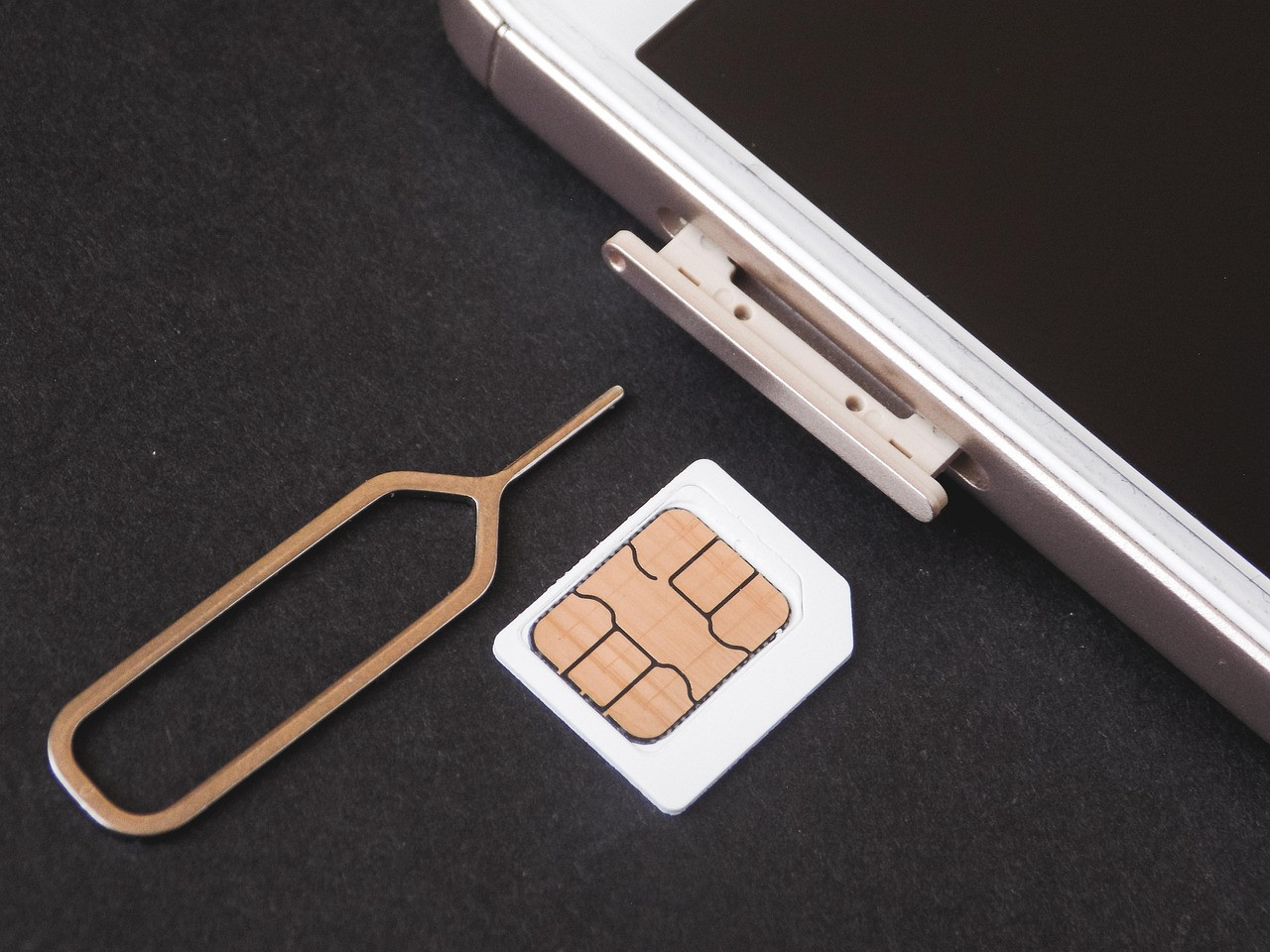
Representative image: tomekwalecki / Pixabay
WhatsApp, Telegram and other messaging apps must tie accounts to an active SIM in the phone by 31 December 2026 under DoT rules, with users likely to feel it from 1 January 2027.
What Happened
WhatsApp and other messaging apps in India will have to check that the SIM card linked to a user's account is present and active in the phone, under the Department of Telecommunications' (DoT) SIM-binding rules, with the compliance deadline now set at 31 December 2026, according to reports published on 22 and 23 October 2026. The rules are expected to take effect for users from 1 January 2027. Once they apply, an app's functions are to stop if the registered SIM is removed, replaced or deactivated, until a valid SIM is put back. A DoT official cited technical problems as the reason the deadline was moved and said compliance may be rolled out in phases.
Key Facts
- What SIM binding means: a messaging account works only on a phone that holds the active SIM card of the mobile number used to register it.
- Origin: DoT directions issued on 28 November 2025 under the Telecom Cyber Security Rules, 2024, to curb fraud carried out through messaging apps.
- Apps named in reports include WhatsApp, Telegram, Signal, Snapchat, ShareChat, Josh, JioChat and Arattai. One report says Snapchat may be exempted, which has not been officially confirmed.
- Compliance deadline for platforms: 31 December 2026, according to reports citing a DoT official. Expected start for users: 1 January 2027.
- Android phones are likely to comply first; Apple's iOS faces some technical constraints, according to earlier reports.
- Meta, which owns WhatsApp, has confirmed it is testing SIM binding with regular WhatsApp users in India.
Why It Matters
Today, a WhatsApp or Telegram account can keep working long after the SIM card used to open it has been taken out of the phone, switched off or even reissued to someone else. The government's concern, set out when the directions were issued to curb fraud, is that this gap can be misused: an account registered with one number can be operated from a phone or computer anywhere, including from abroad, while the SIM itself is discarded. Tying the account to an active SIM in the same handset is meant to make it harder to run scam accounts at scale and easier to trace who is behind them.
For ordinary users, the change could affect habits that many people take for granted. Reports suggest people likely to feel it include those who use messaging apps on a second phone or tablet without that SIM, travellers who swap in a foreign SIM abroad, and people who rely mainly on Wi-Fi with their Indian SIM removed or inactive. The original directions also called for web and desktop versions, such as WhatsApp Web, to log users out periodically. One report says this has been replaced by risk-based checks by the platforms, but the DoT has not confirmed that.
The rules have been contested. The Broadband India Forum, an industry body whose members include Meta and Google, has questioned whether the mandate is legally valid. The industry has also pointed to the engineering work needed, especially on iPhones, which is one reason the deadline has been moved.
| Item | Detail |
|---|---|
| Rule | SIM binding for app-based messaging services |
| Issued | 28 November 2025, under the Telecom Cyber Security Rules, 2024 |
| Platform deadline | 31 December 2026 (as reported) |
| Expected effect on users | from 1 January 2027 |
| What happens without the SIM | app functions stop until a valid SIM is reinserted |
Impact
Short-term: Users may start seeing prompts from WhatsApp and other apps to confirm their SIM, as platforms test and roll out the feature before the deadline. Those who keep their messaging number on a different device from the SIM should plan for the change.
Long-term: If enforced as described, SIM binding would make it harder to run anonymous fraud accounts on Indian numbers and could change how people use messaging across several devices. How the rule treats web logins, tablets and international travel will decide how disruptive it is in daily use.
Who is affected: Messaging users across India, especially people who use apps on multiple devices or travel abroad; the companies that run the apps; and police and cyber-crime units investigating online fraud.
Key Takeaway
Messaging apps such as WhatsApp have until 31 December 2026 to tie accounts to an active SIM in the phone, so from 1 January 2027 an app may stop working if its registered SIM is removed or deactivated.
Questions and Answers
Will WhatsApp stop working from 1 January 2027?
Not for everyone. Under the DoT's SIM-binding rules, WhatsApp is expected to stop working on a phone only if the SIM card of the registered number is removed, replaced or deactivated, until a valid SIM is reinserted. Platforms have until 31 December 2026 to comply.
What is SIM binding?
It is a requirement that a messaging account works only on a device holding the active SIM card of the number used to register it, so that an account cannot be run from anywhere after the SIM is thrown away.
Why has the government introduced SIM binding?
The DoT issued the directions in November 2025 under the Telecom Cyber Security Rules, 2024, to curb cyber fraud carried out through messaging apps whose accounts keep working without the original SIM.
Which apps are covered?
Reports name WhatsApp, Telegram, Signal, Snapchat, ShareChat, Josh, JioChat and Arattai. One report says Snapchat may be exempted, which has not been officially confirmed.
Disclaimer: Prepared by the Peepals newsroom from publicly available sources with AI assistance. Information is accurate to the best of our knowledge at the time of publication and may change. Images may be representative. Not professional advice. Report an error via our contact page.
Sourced and fact-checked by the Peepals Global Editorial Team
Udta Teer review: critics find Ayushmann's spy comedy fun but uneven
Sagility to buy US medical coding firm Chirok Health for up to $32.35 million
Reported, fact-checked and published by the Peepals Global Editorial Team.