
Diljit Dosanjh opens AURA India tour with sold-out Delhi show
 By Meera IyerGovernance & Policy Editor, Peepals Bharat
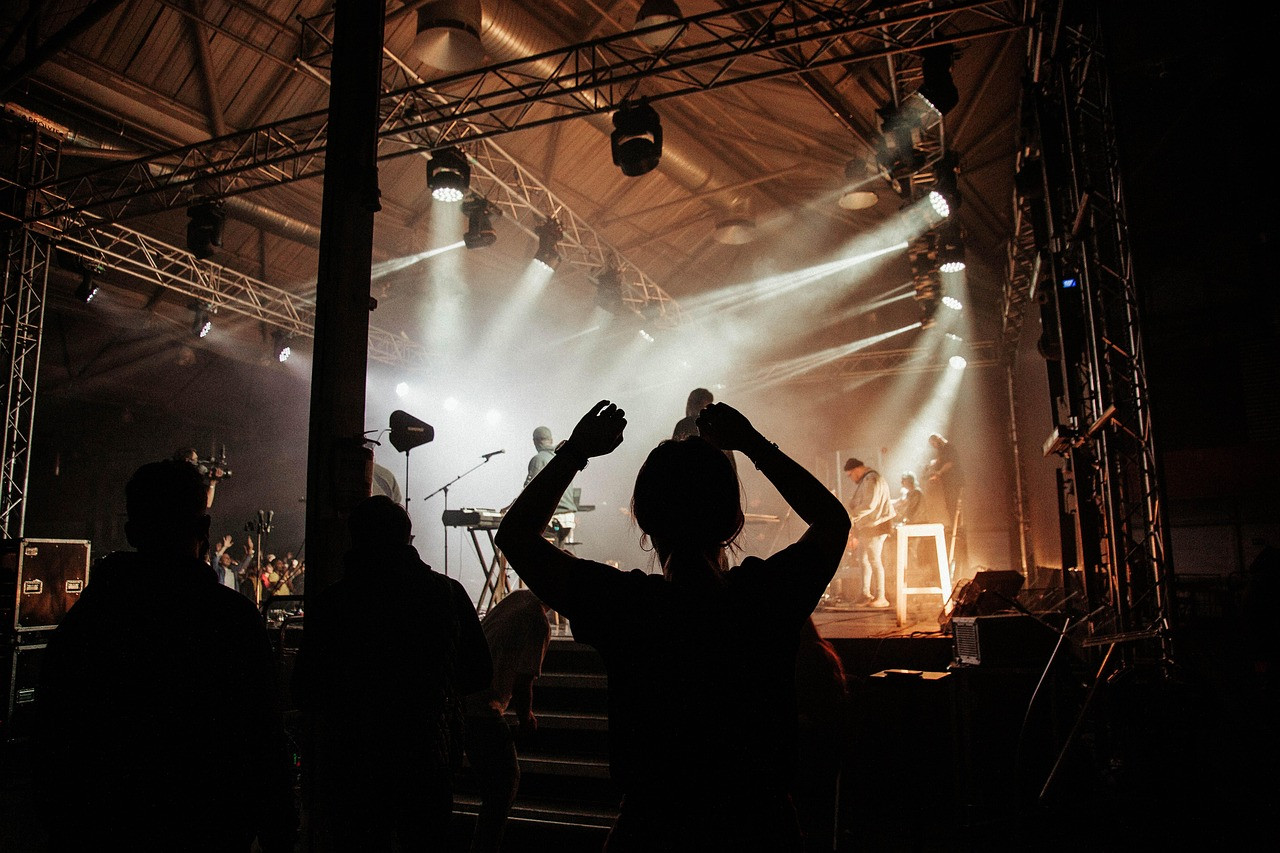
Representative image: DanikPrihodko / Pixabay
Diljit Dosanjh opened his AURA India tour at Delhi's Jawaharlal Nehru Stadium on 30 October 2026 after late police clearance; Indore is next on 15 November.
What Happened
Punjabi singer and actor Diljit Dosanjh opened the India leg of his AURA tour with a sold-out concert at Delhi's Jawaharlal Nehru Stadium on the evening of Friday, 30 October 2026. The show went ahead after a brief scare over police permission and in spite of heavy rain, with Dosanjh performing hits such as "Morni" and "Sanson Ki Mala" and thanking Delhi Police, the CRPF and Delhi Metro from the stage. The Delhi concert had been moved forward from 1 November, with all existing tickets remaining valid.
Key Facts
- Date and venue: Friday, 30 October 2026, Jawaharlal Nehru Stadium, New Delhi; the show had been rescheduled from 1 November, and the ticketing platform said existing tickets stayed valid.
- Delhi Police had temporarily withheld permission, citing threat-related inputs, and granted it after organisers submitted a detailed safety, crowd-management and traffic plan, according to reports.
- The setlist included "Morni" and "Sanson Ki Mala"; the night closed with a drone show that lit up the sky with the words "Panjabi Aa Gaye Oye!".
- Dosanjh publicly thanked Delhi Police, the Central Reserve Police Force (CRPF) and Delhi Metro for their arrangements.
- Delhi Traffic Police had restricted traffic around the stadium from 1 pm to midnight on the day.
- Next stops announced for the tour: Indore (15 November), Ahmedabad (21 November), Mumbai (27 November), Bengaluru (29 November) and Lucknow (5 December); Chandigarh's date is still to be announced.
Why It Matters
Large concerts have become one of the fastest-growing parts of India's entertainment economy, and Diljit Dosanjh is among the few Indian artists who can fill a stadium. The AURA tour is therefore watched both as a cultural event and as a test of how Indian cities manage events of this size.
The Delhi opening showed both sides. Fans described a spectacle of glowing wristbands, phone flashlights, LED visuals, pyrotechnics and a drone display. At the same time, the show nearly did not happen on schedule: police permission was held back until the organisers submitted a fuller safety plan, and at least one attendee quoted in reports complained of pushing and shoving at the start and said organisers and police needed to do more on crowd control. Rain added to the pressure on entry and exit arrangements.
Dosanjh's choice to thank the police, the CRPF and the Metro on stage reflects how central these agencies have become to large live events. Metro services in particular decide how quickly tens of thousands of people can reach and leave a venue. The approach worked out in Delhi will likely be studied by the other host cities: Indore, Ahmedabad, Mumbai, Bengaluru and Lucknow.
For Punjabi music, the tour is another sign of how far the genre now travels. A Punjabi-language performer opening a national tour at one of Delhi's biggest stadiums, and then heading to venues such as Ahmedabad's Narendra Modi Stadium, shows that regional-language music now commands audiences across India.
| AURA India tour city | Date and venue |
|---|---|
| Delhi | 30 October, Jawaharlal Nehru Stadium (held) |
| Indore | 15 November, C21 Estate |
| Ahmedabad | 21 November, Narendra Modi Stadium |
| Mumbai | 27 November, Mahalaxmi Race Course |
| Bengaluru | 29 November, NICE Grounds |
Impact
Short-term: Fans holding tickets for the remaining cities can expect police and traffic arrangements similar to Delhi's, with restrictions around venues on show days. Crowd-control concerns raised in Delhi may lead organisers to adjust entry plans.
Long-term: The tour adds to the case for building proper stadium-concert infrastructure in Indian cities, including transport links, safety standards and clear permission processes. Smooth shows help attract more international and Indian artists; problems can lead to tighter rules.
Who is affected: Concert-goers in the six tour cities; police, traffic and metro authorities that manage crowds; local businesses near venues; and the live-events industry, which depends on large shows running safely.
Key Takeaway
Diljit Dosanjh's AURA India tour opened with a sold-out show in Delhi on 30 October 2026 after a late police clearance, and moves next to Indore, Ahmedabad, Mumbai, Bengaluru and Lucknow.
Questions and Answers
When and where did Diljit Dosanjh's AURA India tour begin?
It began with a concert at Jawaharlal Nehru Stadium in New Delhi on Friday, 30 October 2026. The show had been moved from its original date of 1 November.
Why was there uncertainty about the Delhi concert?
Delhi Police had temporarily withheld permission, citing threat-related inputs. Permission was granted after the organisers submitted a detailed safety, crowd-management and traffic plan, according to reports.
Which cities are next on the Diljit Dosanjh AURA India tour?
Indore on 15 November, Ahmedabad on 21 November, Mumbai on 27 November, Bengaluru on 29 November and Lucknow on 5 December. A Chandigarh show has been announced, but its date has not yet been given.
Which songs did Diljit Dosanjh perform in Delhi?
Reports of the show mention songs including "Morni" and "Sanson Ki Mala" among his chart hits, with the night ending in a drone show over the stadium.
Disclaimer: Prepared by the Peepals newsroom from publicly available sources with AI assistance. Information is accurate to the best of our knowledge at the time of publication and may change. Images may be representative. Not professional advice. Report an error via our contact page.
By Meera Iyer, Governance & Policy EditorCovers Governance & Policy and more for Peepals Bharat. All stories by Meera Iyer
Virat Kohli's Agilitas stake rises to 6.4% after one8 merger
Rann Utsav 2026-27 opens November 1, adds tents near Dholavira
Get the day's stories in your inbox
Peepals Weekly: the week decoded, free. One email a week, unsubscribe in one click.
Meera Iyer is a pen name of the Peepals Global Editorial Team, which researches, fact-checks and publishes every story. The portrait is an illustration.