
Karnataka opens LKG, UKG classes in 581 more government schools
 By Aditi KulkarniEducation Writer, Peepals Bharat
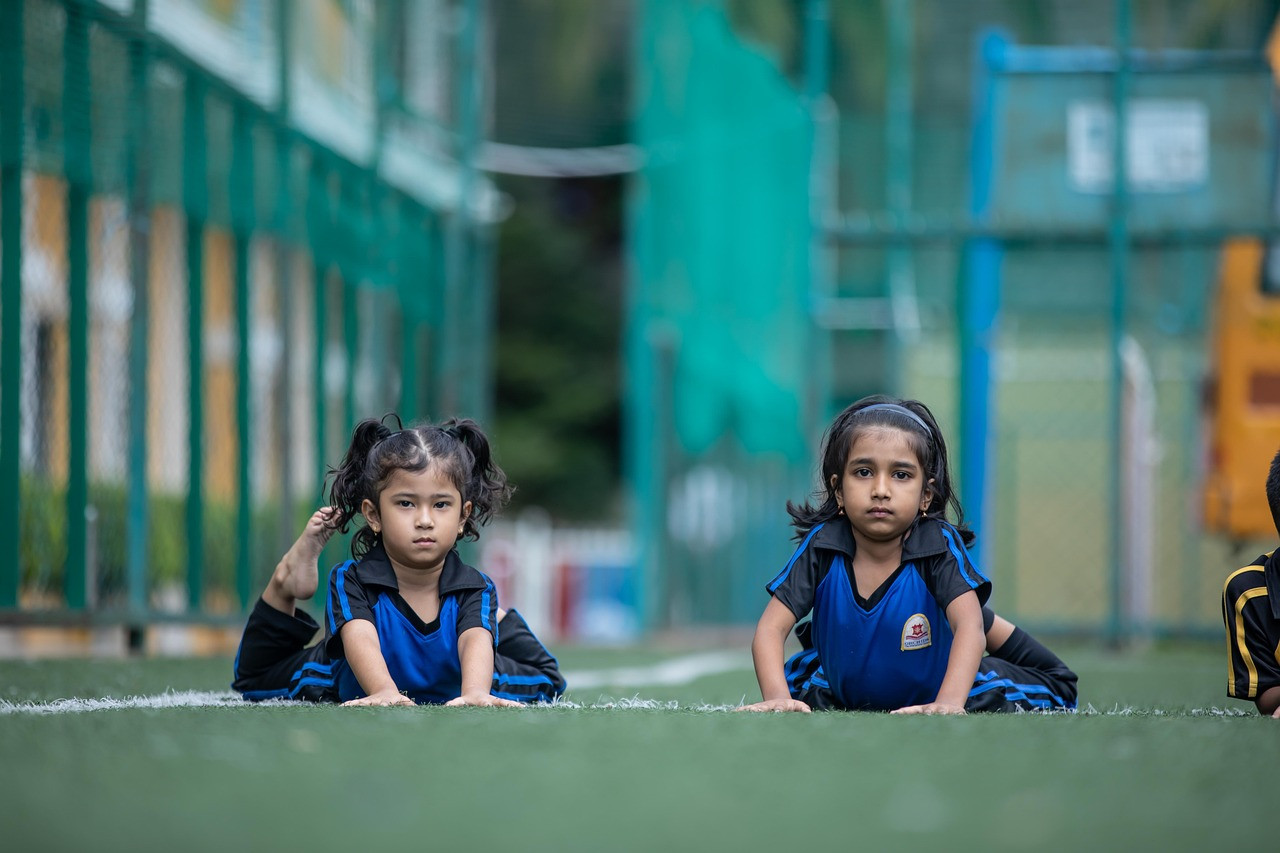
Representative image: Anilsharma26 / Pixabay
Karnataka has approved LKG and UKG sections in 581 government schools for 2026-27, with two contract teachers and a helper each, reports on 30-31 October 2026 said.
What Happened
The Karnataka School Education Department has approved pre-primary classes, LKG and UKG, in 581 more government schools for the 2026-27 academic year, according to reports on 30 and 31 October 2026. Each school may run one section of LKG and one of UKG. The government has sanctioned two temporary contract teachers, one for each class, and a helper for every school for 10 months, and the children will receive hot mid-day meals, milk and supplementary nutrition.
Key Facts
- Karnataka has approved LKG and UKG classes in 581 government schools for 2026-27.
- Each school is limited to one section of LKG and one section of UKG.
- Every school gets two contract teachers, one each for LKG and UKG, and one helper, for 10 months.
- Children will get hot mid-day meals, milk under the Ksheera Bhagya scheme and supplementary nutrition including eggs.
- Teachers must use activity-based teaching and keep an individual portfolio for each child.
- Children must be registered on UDISE+ with APAAR IDs, and attendance will be marked on the NIRANTHARA facial recognition app.
- The department plans to bring a law or rules to regulate LKG and UKG in the next session, as these classes are not yet under a regulatory system, reports said.
Why It Matters
Pre-primary education covers the years before Class 1, usually from about age four, when children learn through play, songs, stories and simple activities. The National Education Policy 2020 places strong weight on these early years. Yet in many states, families who want LKG and UKG for their children have had to pay private schools, because government schools began only at Class 1.
By adding LKG and UKG to 581 more government schools, Karnataka gives poorer families a free option inside the same school their children will later attend. That can make the move into Class 1 smoother and may help government schools keep children who would otherwise shift to private schools early and stay there.
The conditions attached matter for quality. Activity-based teaching means children learn by doing, rather than by copying letters or memorising. Individual portfolios, a record of each child's work and progress, give teachers and parents a way to track development without formal exams. Registration on UDISE+, the national school database, and APAAR, the student ID system, means the children are counted in official data from the start.
There are open questions. The teachers are temporary and contracted for 10 months, which may affect continuity from year to year. The rule of one section per class also limits how many children each school can take. And because LKG and UKG are not yet regulated by law, the promised Act or rules will decide standards such as class size, teacher qualifications and fees across both government and private pre-schools.
| Karnataka's 581-school pre-primary plan | Detail |
|---|---|
| Academic year | 2026-27 |
| Schools covered | 581 government schools |
| Sections per school | One LKG, one UKG |
| Staff per school | Two contract teachers and one helper, for 10 months |
| Nutrition | Hot mid-day meals, milk under Ksheera Bhagya, supplementary nutrition with eggs |
Impact
Short-term: Families near the 581 schools can enrol young children in free LKG and UKG with meals, and the schools must hire contract teachers and helpers.
Long-term: If the classes run well and a regulatory framework follows, government schools could hold on to more children from age four through primary school, and pre-school standards could become more uniform across the state.
Who is affected: Children aged about four to six and their parents, especially low-income families; contract teachers and helpers who will be hired; government school staff; and private pre-schools that compete for the same children.
Key Takeaway
Karnataka has approved LKG and UKG classes, with meals and two contract teachers each, in 581 government schools for 2026-27, widening free pre-primary education in the state.
Questions and Answers
How many Karnataka government schools will start LKG and UKG?
Karnataka has approved LKG and UKG classes in 581 government schools for the 2026-27 academic year, with one section of each class per school, according to reports on 30 and 31 October 2026.
Who will teach the new LKG and UKG classes?
Each school gets two temporary contract teachers, one for LKG and one for UKG, along with one helper, for 10 months.
Will children in government LKG and UKG get meals?
Yes. Reports say the children will receive hot mid-day meals, milk under the Ksheera Bhagya scheme and supplementary nutrition including eggs.
Are LKG and UKG regulated in Karnataka?
Not yet. Reports say the department plans to bring a regulatory Act or rules for LKG and UKG in the next session.
Disclaimer: Prepared by the Peepals newsroom from publicly available sources with AI assistance. Information is accurate to the best of our knowledge at the time of publication and may change. Images may be representative. Not professional advice. Report an error via our contact page.
By Aditi Kulkarni, Education WriterCovers Education and more for Peepals Bharat. All stories by Aditi Kulkarni
Atomberg gets SEBI nod for IPO with Rs 450 crore fresh issue
Virat Kohli's Agilitas stake rises to 6.4% after one8 merger
Get the day's stories in your inbox
Peepals Weekly: the week decoded, free. One email a week, unsubscribe in one click.
Aditi Kulkarni is a pen name of the Peepals Global Editorial Team, which researches, fact-checks and publishes every story. The portrait is an illustration.