
Diwali smartphone sales fall 18-20% at mobile shops, AIMRA says
 By Siddharth VermaBusiness Correspondent, Peepals Bharat
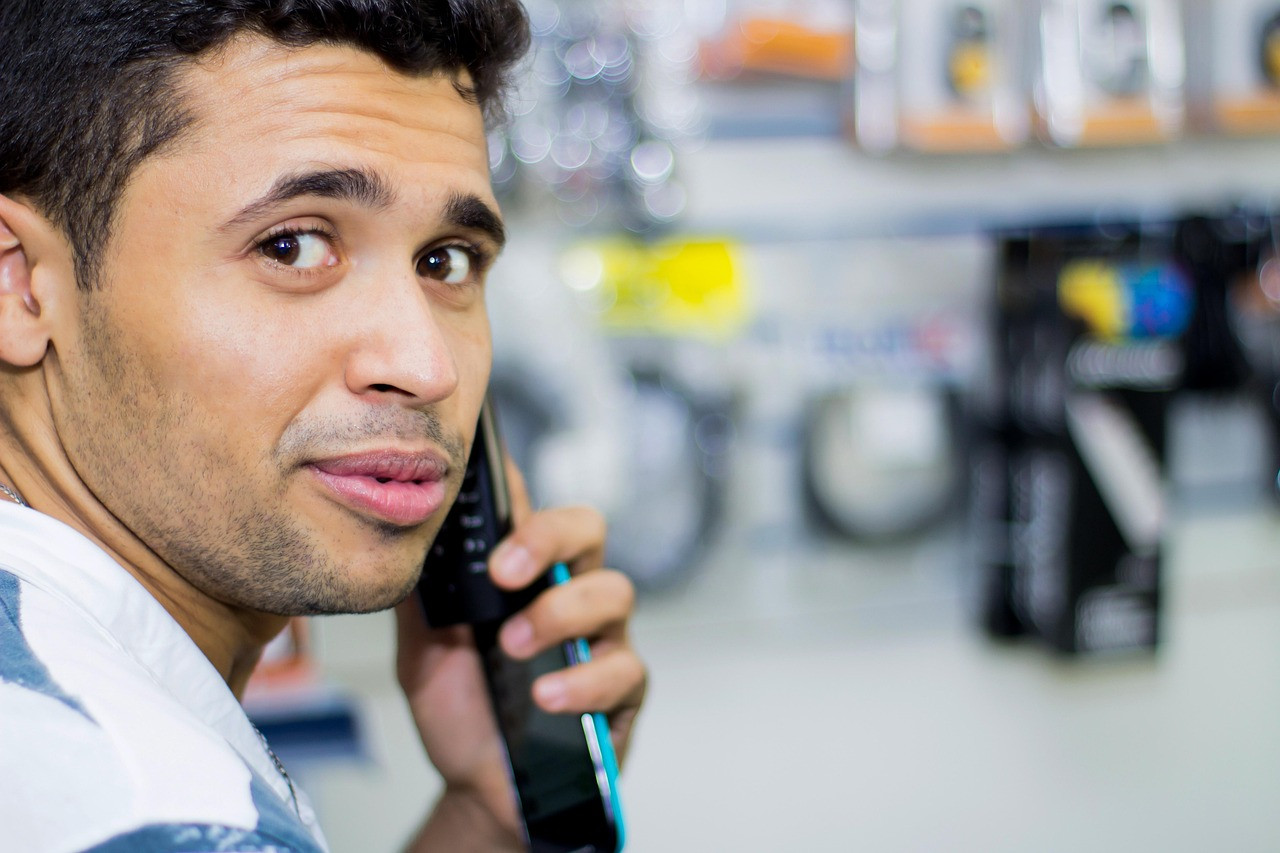
Representative image: 2725881 / Pixabay
Offline smartphone sales fell 18-20% by volume during Diwali 2026, the All India Mobile Retailers Association said, as higher prices kept buyers away.
What Happened
Smartphone sales at India's mobile phone shops fell by 18% to 20% in units during the Diwali 2026 festive period compared with last year, the All India Mobile Retailers Association (AIMRA) said in its Diwali retail performance report, published in the week of 11 November 2026. Customers kept coming into stores, the association said, but many left without buying because phone prices had gone up. The value of sales stayed roughly flat, as each phone sold cost more.
Key Facts
- Offline smartphone unit sales fell 18% to 20% year on year in the Diwali period, according to AIMRA; one report described the measurement as the four days from 6 to 9 November.
- Footfall in stores stayed steady, but conversion to sales fell, the association said.
- The week before Dhanteras saw sales fall by nearly 40%, followed by a modest recovery on the main festive days, according to the report.
- The total value of sales was roughly flat, because average selling prices rose.
- AIMRA blamed price increases in entry-level and mid-range phones, driven by higher costs of components, especially memory chips.
- The association warned that offline volumes could fall by as much as 50% over the next three months, and that phone prices may rise by up to 15% more.
- Realme's offline volumes fell more than 50% in several regions, AIMRA said, citing higher prices, fewer launches and weak festive offers.
Why It Matters
Diwali is normally the biggest selling season of the year for India's neighbourhood mobile shops. A fall of a fifth in the number of phones sold in that window hits the income of small retailers, who earn a margin on each unit. Flat sales value does not fully protect them: a shop that sells fewer phones at higher prices often has the same costs of rent, staff and stock to cover, with fewer customers to spread them over.
The cause, according to the association, lies far from the shop counter. Phone makers are paying more for memory chips, a rise that coverage links to heavy demand for memory from the AI industry. One brokerage report cited in coverage put the cost of memory in an average phone at $60 to $65, about three times the level of 2025. Brands have passed these costs on, especially in the cheaper models that most Indian buyers choose, and the higher prices have put off price-sensitive customers.
The retail figures match the wider market. Counterpoint Research data reported this week showed smartphone shipments in the July-September quarter falling to about 35.8 million units, the lowest third-quarter level since 2016. Weaker phone sales also matter beyond the shop, for consumer loans that finance many purchases and for India's electronics manufacturing chain.
Peepals calculation: If unit sales fell 18% to 20% while total sales value stayed flat, the average price of a phone sold must have risen by about 22% to 25% (1 ÷ 0.82 ≈ 1.22; 1 ÷ 0.80 = 1.25). A memory cost of $60 to $65 per phone, about three times around $20 in 2025, means an extra $40 to $45 of memory in each device. Our calculation from the reported figures.
| Diwali 2026, offline phone retail | AIMRA figure |
|---|---|
| Unit sales, year on year | down 18% to 20% |
| Week before Dhanteras | down nearly 40% |
| Sales value | roughly flat |
| Expected volume fall, next three months | up to 50% |
| Expected further price rise | up to 15% |
Impact
Short-term: Mobile retailers enter the post-festive months with weaker sales and the prospect of further price rises, which AIMRA says could cut volumes sharply through early 2027.
Long-term: If memory prices stay high, cheap smartphones may become harder to sell profitably, pushing buyers to keep old phones longer or to buy refurbished ones. Brands that cut launches and offers risk losing shelf space with retailers.
Who is affected: Small and mid-sized mobile phone retailers, their staff, phone brands that depend on offline sales, and households planning to buy or upgrade a phone.
Key Takeaway
India's mobile shops sold 18% to 20% fewer smartphones this Diwali as prices rose on costlier memory chips, and the retailers' association warns that volumes could fall by up to half in the next three months.
Questions and Answers
How much did smartphone sales fall during Diwali 2026?
Offline smartphone unit sales fell 18% to 20% compared with last year's Diwali, according to the All India Mobile Retailers Association, while the value of sales stayed roughly flat.
Why did smartphone sales drop this Diwali?
AIMRA said higher prices drove buyers away. Brands raised prices of entry-level and mid-range phones because components, especially memory chips, have become much more expensive.
Will smartphone prices rise further?
AIMRA has said phone prices may rise by up to 15% in the coming months and that offline volumes could fall by as much as 50% over the next three months.
What is AIMRA?
The All India Mobile Retailers Association is a trade body that represents mobile phone retailers across India and publishes reports on offline phone sales.
Disclaimer: Prepared by the Peepals newsroom from publicly available sources with AI assistance. Information is accurate to the best of our knowledge at the time of publication and may change. Images may be representative. Not professional advice. Report an error via our contact page.
By Siddharth Verma, Business CorrespondentCovers Business and more for Peepals Bharat. All stories by Siddharth Verma
Keralam power purchase row: CM Satheesan says no GNA deal was signed
Pink Line Metro Bangalore: PM flags off today, trains from November 14
Get the day's stories in your inbox
Peepals Weekly: the week decoded, free. One email a week, unsubscribe in one click.
Siddharth Verma is a pen name of the Peepals Global Editorial Team, which researches, fact-checks and publishes every story. The portrait is an illustration.