
ESTIC 2026: 150 deep-tech start-ups at Bharat Mandapam as PM opens conclave
 By Meera IyerGovernance & Policy Editor, Peepals Bharat
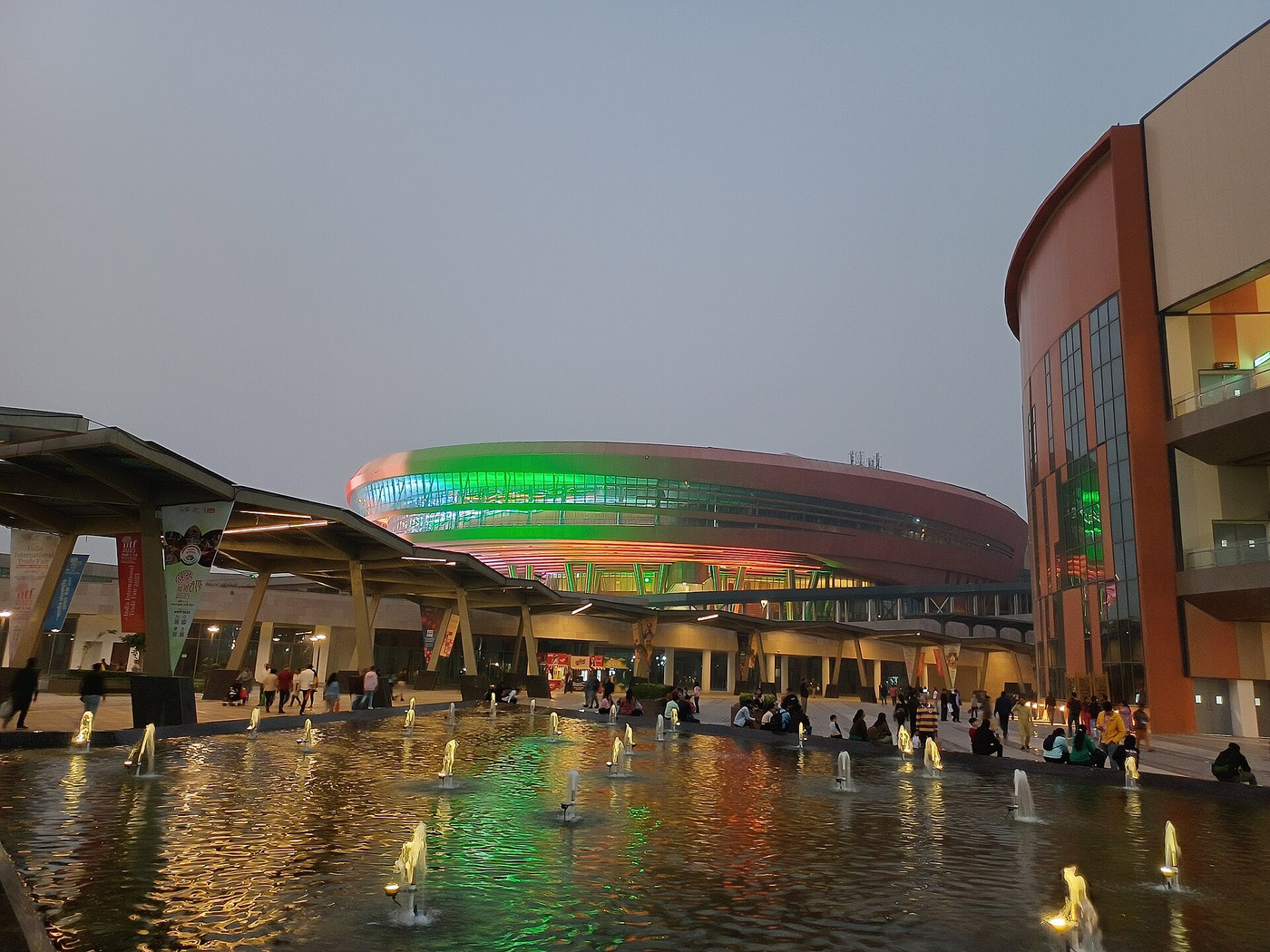
File photo: DesiBoy101 (CC BY 4.0), via Wikimedia Commons
PM Modi opens ESTIC 2026 at Bharat Mandapam on October 27, 2026; about 150 deep-tech start-ups will show their work at the three-day CSIR-run conclave.
What Happened
Prime Minister Narendra Modi is scheduled to inaugurate the Emerging Science, Technology and Innovation Conclave 2026 (ESTIC 2026) at 5:30 pm on Tuesday, October 27, 2026, at Bharat Mandapam in New Delhi. The three-day conclave, which runs until October 29, is organised by the Council of Scientific and Industrial Research (CSIR) under the guidance of the Office of the Principal Scientific Adviser. About 150 deep-tech start-ups will show their work at dedicated stalls, alongside scientists, industry, policymakers and three Nobel laureates.
Key Facts
- Event: ESTIC 2026, October 27 to 29, 2026, Bharat Mandapam, New Delhi.
- Inauguration: by Prime Minister Narendra Modi at 5:30 pm on October 27, followed by his address.
- Organiser: CSIR, under the guidance of the Office of the Principal Scientific Adviser; CSIR-NIIST is the organising partner.
- Start-ups: around 150 deep-tech start-ups with dedicated stalls to demonstrate their technologies.
- Programme: 12 thematic technical sessions, plenary talks, panels, start-up and science presentations, exhibitions, poster sessions and business-to-business and business-to-government meetings.
- Themes reported include advanced manufacturing, energy, synthetic biology, ocean technologies, quantum communication, semiconductors, agri-tech, generative and autonomous AI, robotics, healthcare, immersive technologies and space science.
- Speakers include Nobel laureates Joachim Frank, Richard J. Roberts and Kostya Novoselov.
- A Global Connect Networking Event will bring together more than 300 invited participants from academia, research and industry in India and abroad.
Why It Matters
Deep-tech start-ups build products from new science or engineering, such as new materials, chips, biotechnology or advanced AI, rather than from apps or business models alone. They usually need more time and money to reach the market than consumer start-ups, and their first customers are often large companies or government bodies. That is why a conclave that puts founders in the same hall as scientists, public sector units and policymakers matters to them.
The format of ESTIC is built for that. Business-to-business meetings let a start-up meet companies that might buy, test or invest in its technology. Business-to-government meetings let it meet ministries and public bodies that buy technology or run pilot projects. For a young company from a smaller city, which may not have easy access to these people, three days in one venue can save months of trying to get appointments.
The list of themes also signals where the government's science agencies see priority. Semiconductors, quantum communication, synthetic biology, ocean technology and space science are areas where India is trying to build its own capability. Start-ups working in these fields can read the programme as a map of where research partnerships, grants and procurement are likely to focus.
The presence of CSIR matters for another reason. CSIR runs a network of national laboratories, and its role as organiser puts researchers from those laboratories in the same venue as start-ups and industry, which can help research from public institutions find a path to products.
For founders and students who are not attending, the sessions and announcements over the three days are worth following. Any new scheme, fund or partnership announced at the conclave will be relevant to start-ups across the country, not only to those with stalls.
| Item | Detail |
|---|---|
| Dates | October 27-29, 2026 |
| Venue | Bharat Mandapam, New Delhi |
| Organiser | CSIR, with the Office of the Principal Scientific Adviser |
| Start-up stalls | About 150 deep-tech start-ups |
| Thematic sessions | 12 |
Impact
Short-term: About 150 start-ups get three days of direct exposure to investors, industry, public sector buyers and researchers. Visitors and the media will see working demonstrations of Indian deep-tech products.
Long-term: Partnerships, pilot projects and technology licences that begin at the conclave could help more deep-tech start-ups move from prototype to product. The themes chosen may shape research funding and procurement priorities in the coming years.
Who is affected: Deep-tech founders and their teams, researchers in CSIR and other national laboratories, students and young scientists, industry and public sector units looking for new technology, and investors in science-based start-ups.
Key Takeaway
ESTIC 2026, inaugurated by Prime Minister Modi on October 27 at Bharat Mandapam, gives about 150 Indian deep-tech start-ups three days to meet scientists, industry and government buyers across 12 technology themes.
Questions and Answers
What is ESTIC 2026 and when is it held?
ESTIC 2026 is the Emerging Science, Technology and Innovation Conclave, held from October 27 to 29, 2026, at Bharat Mandapam, New Delhi. Prime Minister Narendra Modi inaugurates it at 5:30 pm on October 27.
How many start-ups are taking part in ESTIC 2026?
About 150 deep-tech start-ups have dedicated stalls at the conclave to demonstrate their technologies and their uses across sectors.
Who organises ESTIC 2026?
The Council of Scientific and Industrial Research (CSIR) organises it under the guidance of the Office of the Principal Scientific Adviser, with CSIR-NIIST as the organising partner.
What is a deep-tech start-up?
It is a start-up whose product is based on new science or advanced engineering, such as new materials, semiconductors, biotechnology, quantum technology or advanced AI, rather than on an app or a business model alone.
Disclaimer: Prepared by the Peepals newsroom from publicly available sources with AI assistance. Information is accurate to the best of our knowledge at the time of publication and may change. Images may be representative. Not professional advice. Report an error via our contact page.
By Meera Iyer, Governance & Policy EditorCovers Governance & Policy and more for Peepals Bharat. All stories by Meera Iyer
Get the day's stories in your inbox
Peepals Weekly: the week decoded, free. One email a week, unsubscribe in one click.
Meera Iyer is a pen name of the Peepals Global Editorial Team, which researches, fact-checks and publishes every story. The portrait is an illustration.