
DAC clears Rs 2.12 lakh crore defence proposals; 82% from Indian industry
 By Meera IyerGovernance & Policy Editor, Peepals Bharat
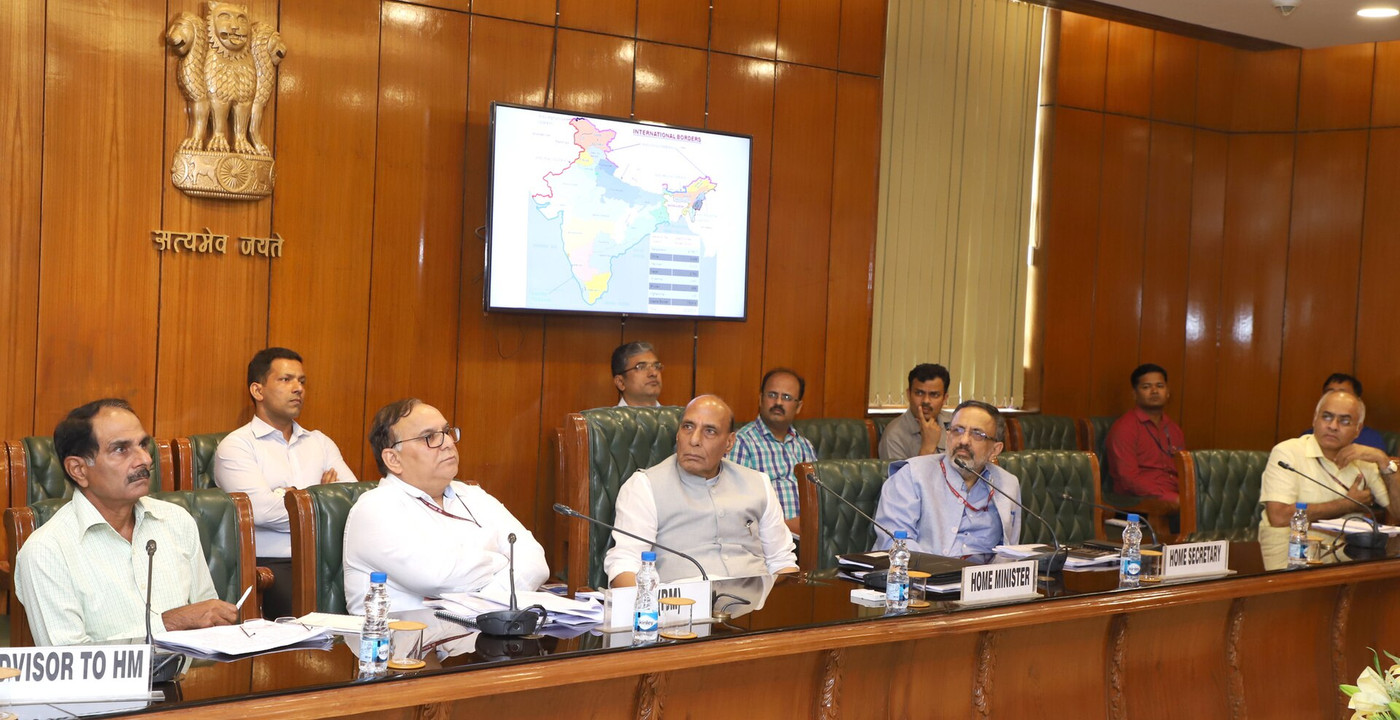
File photo: Ministry of Home Affairs (GODL-India), via Wikimedia Commons
The Defence Acquisition Council led by Rajnath Singh approved Rs 2.12 lakh crore of proposals for the armed forces on October 26, 2026; about 82% will be sourced in India.
What Happened
The Defence Acquisition Council (DAC), chaired by Defence Minister Rajnath Singh, approved capital acquisition proposals worth about Rs 2.12 lakh crore for the Army, Navy and Air Force at a meeting on Monday, October 26, 2026. The approvals cover helicopters, artillery guns, air defence weapons, surveillance and kamikaze drones, counter-drone systems and naval platforms. The Defence Ministry said about 82% of the total value will be sourced from Indian industry.
Key Facts
- Body: Defence Acquisition Council, chaired by Defence Minister Rajnath Singh.
- Date: October 26, 2026.
- Total value: about Rs 2.12 lakh crore, through Acceptance of Necessity (AoN) approvals.
- Indian sourcing: about 82% of the approved value, according to the Defence Ministry.
- Army items include High Mobility Vehicles, self-propelled tracked gun systems, gunshot detection systems, Light Multi Role Helicopters, Very Short-Range Air Defence Systems (VSHORADS), platform-based counter-drone systems and long-range kamikaze drones.
- Air Force items include Light Multi-Role Helicopters, Special Utility Helicopters and upgraded air defence and munitions systems, according to reports.
- Navy items include an Active Offboard Decoy System to protect ships from anti-ship missiles, and major naval platforms to be designed and built in India.
Why It Matters
An Acceptance of Necessity is the first formal step in buying military equipment in India. It means the government agrees that the forces need the items and allows the procurement process to begin. It is not a contract. Each item still has to go through trials, price negotiation and further government approvals before money is committed. So the Rs 2.12 lakh crore figure shows what the forces are planning to buy over the coming years, not what will be spent this year.
The list says a lot about how warfare is changing. Drones and the means to stop them feature heavily: surveillance drones, long-range kamikaze drones, which strike a target by crashing into it, and counter-drone systems mounted on vehicles. Very short-range air defence weapons are designed to shoot down aircraft, helicopters and drones at close range. A gunshot detection system helps soldiers locate where enemy fire is coming from. Together these point to the armed forces preparing for threats from cheap, numerous unmanned weapons as well as traditional ones.
For the Navy, an offboard decoy is a device launched away from a ship to draw incoming anti-ship missiles away from it. Approval for such systems, along with new warships designed and built in India, reflects the growing threat from missiles at sea.
The 82% Indian share is central to the government's policy of building a domestic defence industry. Orders on this scale give Indian manufacturers, both public sector companies and private firms, a pipeline of work that can support jobs, investment and supplier networks across states. For citizens, the impact is felt both in national security and in industrial employment in defence manufacturing hubs.
This is the second very large approval of 2026. In March 2026, the DAC cleared proposals worth about Rs 2.38 lakh crore, according to official reports at the time.
| Service | Examples of items approved on October 26, 2026 |
|---|---|
| Army | Self-propelled guns, VSHORADS, counter-drone systems, kamikaze drones, Light Multi Role Helicopters |
| Air Force | Light Multi-Role Helicopters, Special Utility Helicopters, air defence and munitions upgrades |
| Navy | Active Offboard Decoy System, indigenous naval platforms |
Impact
Short-term: The services and the Defence Ministry will begin detailed procurement for each item, including requests for proposals, trials and negotiations.
Long-term: If these purchases are completed, the forces will gain more drones, air defence and helicopters, and Indian defence makers will get large orders over several years.
Who is affected: Soldiers, sailors and air warriors who will use the equipment; Indian defence manufacturers and their suppliers; workers in defence production hubs; and taxpayers who fund the purchases.
Key Takeaway
The DAC on October 26, 2026 cleared Rs 2.12 lakh crore of defence proposals, focused on drones, air defence, helicopters and naval systems, with about 82% to be sourced from Indian industry.
Questions and Answers
What did the DAC approve on October 26, 2026?
The Defence Acquisition Council, chaired by Rajnath Singh, approved proposals worth about Rs 2.12 lakh crore for the Army, Navy and Air Force, covering helicopters, guns, air defence weapons, drones, counter-drone systems and naval platforms.
Does the Rs 2.12 lakh crore approval mean contracts have been signed?
No. These are Acceptance of Necessity approvals, the first formal step in procurement. Contracts follow only after trials, price negotiations and further approvals.
How much of the DAC defence proposals will be made in India?
The Defence Ministry said about 82% of the total approved value will be sourced from Indian industry.
What is a kamikaze drone?
It is an unmanned aircraft that carries explosives and attacks a target by crashing into it, instead of firing a weapon and returning.
Disclaimer: Prepared by the Peepals newsroom from publicly available sources with AI assistance. Information is accurate to the best of our knowledge at the time of publication and may change. Images may be representative. Not professional advice. Report an error via our contact page.
By Meera Iyer, Governance & Policy EditorCovers Governance & Policy and more for Peepals Bharat. All stories by Meera Iyer
Apollo Micro Systems Q2 profit rises 53.7% as revenue jumps 72%
Gaya-Bangkok direct flight: IndiGo starts twice-weekly service for Bodh Gaya
Meera Iyer is a pen name of the Peepals Global Editorial Team, which researches, fact-checks and publishes every story. The portrait is an illustration.