
Goa cabinet clears Phase II of tourism master plan and policy, extends KPMG role
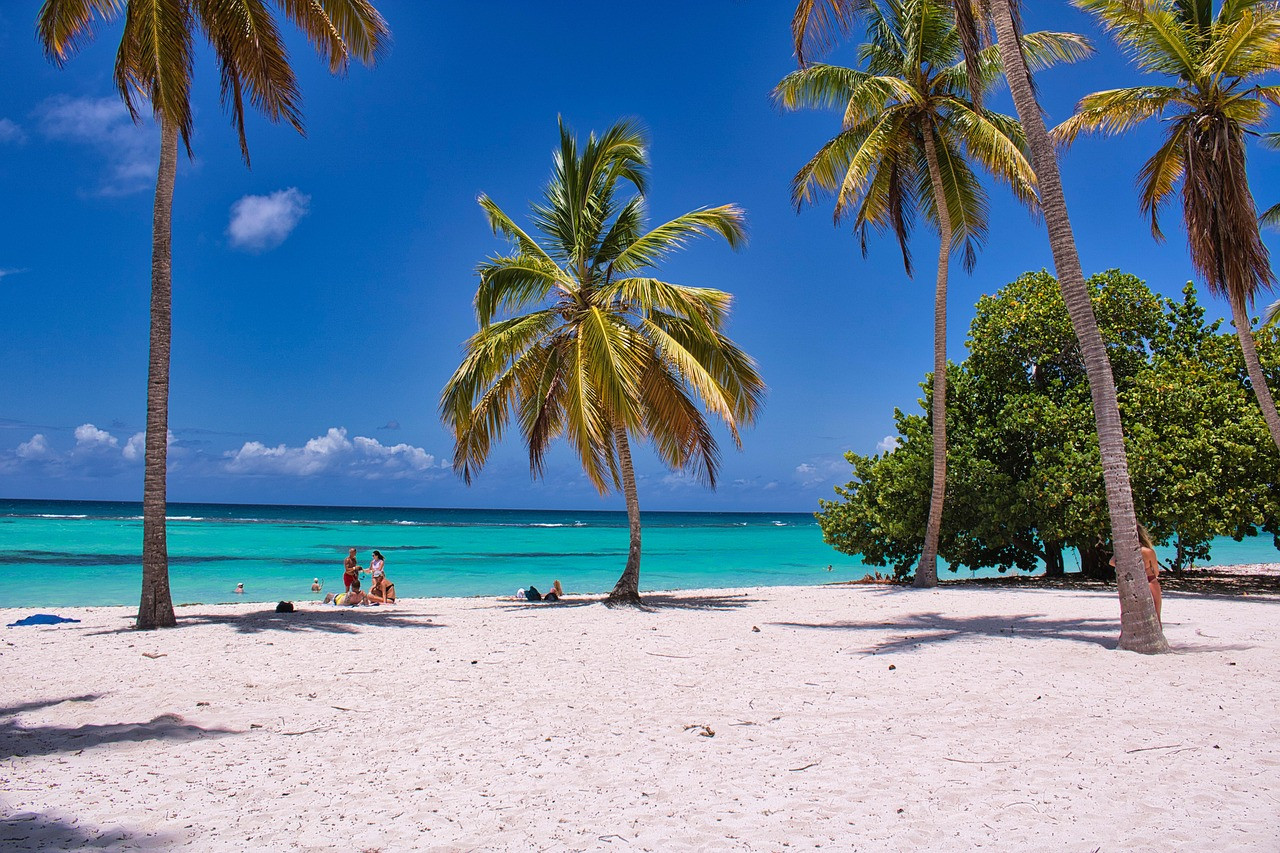
Representative image: mrpixel000 / Pixabay
Goa's cabinet, chaired by CM Pramod Sawant, extended KPMG's services for Phase II of the state tourism master plan and policy, reported on 10 October 2026.
What Happened
The Goa cabinet, chaired by Chief Minister Pramod Sawant, has approved the second phase of work on a tourism master plan and a tourism policy for the state. Under the decision, reported on 10 October 2026, the government extended the services of KPMG Advisory Services Pvt. Ltd. for Phase II of preparing the master plan and the policy. Sawant announced the decision after the meeting. The same cabinet sitting also moved a planned barrage and raw water pumping station from Mirabag to Panchwadi, approved rent relief for some municipal shopkeepers, and restructured the Imagine Panaji smart city company into a state-level urban development vehicle.
Key Facts
- The cabinet extended KPMG Advisory Services' engagement for Phase II of Goa's tourism master plan and tourism policy work.
- The state government says the plan is meant to give strategic direction to the development of Goa's tourism sector in the coming years.
- KPMG's work for Goa goes back to 2014, when a consortium of KPMG and Tourism and Leisure Advisory Services was picked to prepare a 25-year tourism master plan.
- Rohan Khaunte is Goa's Tourism Minister.
- At the same meeting, a barrage and a 50 million litres per day raw water pumping station were shifted from Mirabag to Panchwadi.
- The cabinet also approved 50% rent relief, calculated on PWD rent, for existing shopkeepers in newly built municipal buildings, starting with Curchorem.
- Imagine Panaji Smart City Development Ltd is to be restructured into a state-level urban development special purpose vehicle.
Why It Matters
Goa is one of India's best-known holiday destinations, and tourism is central to its economy and jobs. For years, the state has debated how to manage crowding on its northern beaches, spread visitors to the interior and the south, and balance growth with the protection of its coast, villages and forests. A master plan and a formal tourism policy are the documents that are supposed to settle those questions in writing: where new projects can come up, what kind of tourism the state wants to encourage, and how infrastructure should keep pace.
The decision is a planning step, not a finished policy. Goa first commissioned a long-term tourism master plan more than a decade ago, and the exercise has stretched over many years without a final adopted plan. Extending the consultant's role into a second phase signals that the government wants to complete the job rather than start again with a new adviser. The cabinet did not announce the cost or a deadline for the Phase II work in the reports so far, so travellers and businesses will have to wait to see what the plan actually contains.
For the wider travel industry, a clear Goa policy matters beyond the state. Goa competes with Kerala, Rajasthan and new beach and hill destinations for domestic holidaymakers, and with Southeast Asian resorts for international visitors. Clear rules on land use, homestays, shacks, adventure activities and heritage tourism can shape where investors put money and what kind of holiday visitors find.
| Plan stage | What it means |
|---|---|
| Phase I (from 2014) | Consultants commissioned to draft a 25-year tourism master plan |
| Phase II (approved October 2026) | KPMG's services extended to prepare the master plan and tourism policy |
| Next step | Draft plan and policy to be finalised and adopted by the state |
Impact
Short-term: Nothing changes yet for visitors this season. The decision restarts formal planning, and tourism businesses and local bodies can expect consultations as the work moves ahead.
Long-term: If adopted, the master plan and policy could guide where hotels, resorts and attractions are allowed, how tourist traffic is spread across the state, and how infrastructure such as roads and water supply is planned around visitor numbers.
Who is affected: Hotel and homestay owners, beach shack operators, taxi and tour operators, village communities in tourist areas, investors weighing projects in Goa, and the domestic and foreign tourists who visit the state each year.
Key Takeaway
Goa has restarted work on its long-pending tourism master plan and policy by extending KPMG's role into a second phase, but the final rules are still to come.
Questions and Answers
What did the Goa cabinet decide on tourism?
It approved the extension of KPMG Advisory Services' engagement for Phase II of preparing a tourism master plan and a tourism policy for Goa. The decision was reported on 10 October 2026.
Is Goa's new tourism policy now in force?
No. The cabinet only approved the next phase of preparation. The master plan and the policy still have to be drafted, finalised and adopted by the state government.
When did Goa first start work on a tourism master plan?
In 2014 the state appointed a consortium of KPMG and Tourism and Leisure Advisory Services to prepare a 25-year tourism master plan.
What else did the cabinet decide at the same meeting?
It moved a planned barrage and a 50 million litres per day raw water pumping station from Mirabag to Panchwadi, approved 50% rent relief for some shopkeepers in new municipal buildings, starting with Curchorem, and decided to restructure the Imagine Panaji smart city company into a state-level urban development vehicle.
Disclaimer: Prepared by the Peepals newsroom from publicly available sources with AI assistance. Information is accurate to the best of our knowledge at the time of publication and may change. Images may be representative. Not professional advice. Report an error via our contact page.
Sourced and fact-checked by the Peepals Global Editorial Team
Arunachal doubles start-up programme to 100 founders, seed grants up to Rs 10 lakh
Hornbill Festival 2026 set for Dec 1-10; Nagaland plans year-round Kisama
Reported, fact-checked and published by the Peepals Global Editorial Team.