
Gujarat bars outsiders, filming in schools without principal's written nod
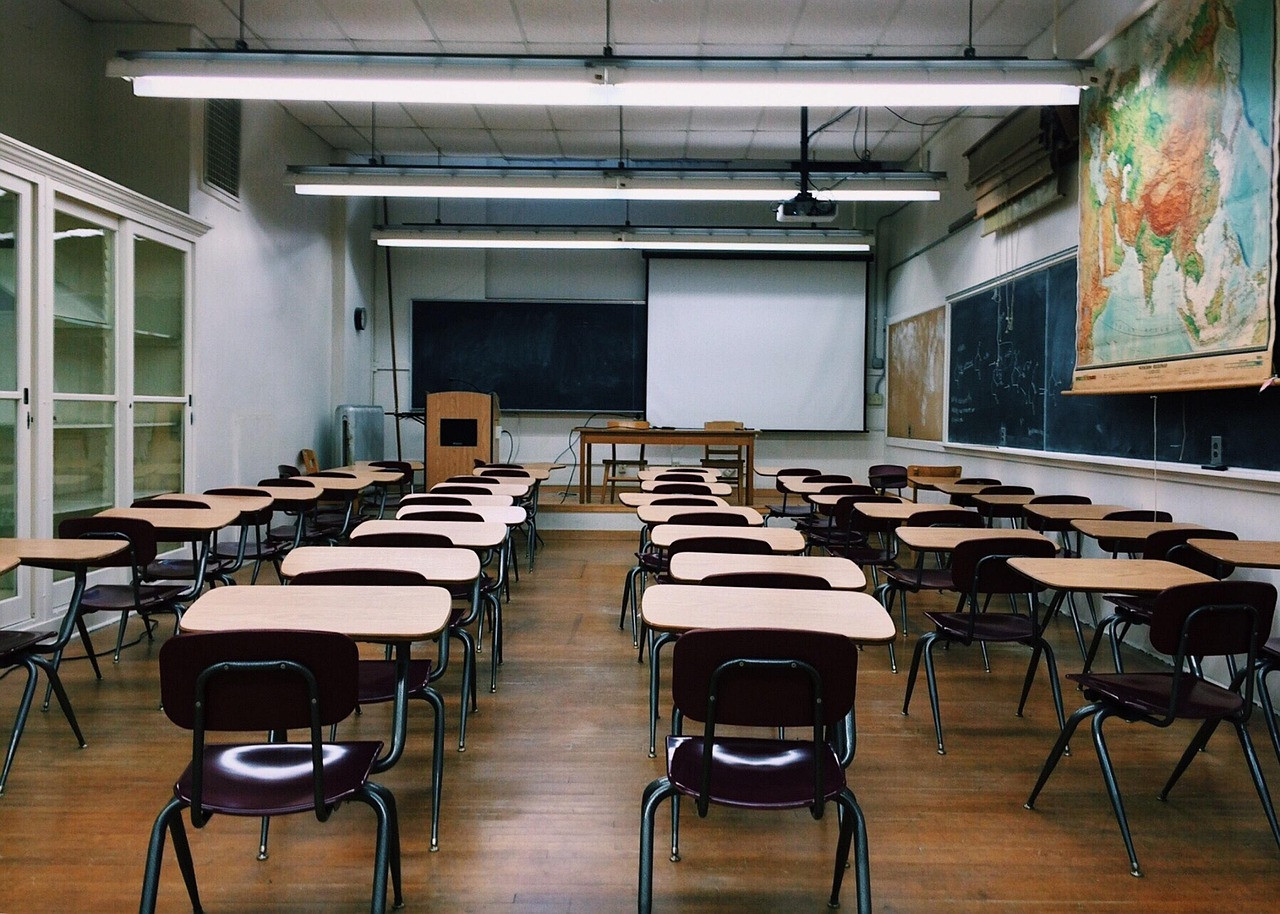
Representative image: WOKANDAPIX / Pixabay
Gujarat's October 21, 2026 circular bars outsiders and filming in schools without the principal's written permission and protects children's photos and data.
What Happened
Gujarat school entry rules have been tightened: the state's Education Department on Wednesday, October 21, 2026 issued a circular barring outsiders from entering school premises without the principal's prior written permission. The circular, from the Office of the Commissioner of Schools, also bans photography, video recording, interviews, audio recording and live-streaming of students, teachers or school activities without written approval, and directs schools to stop children's photos, videos and personal details from being collected or shared in ways that put their safety, dignity or privacy at risk.
Key Facts
- Issued by: the Office of the Commissioner of Schools, Gujarat Education Department, on October 21, 2026.
- Entry: any outside person needs the principal's or school head's prior written permission; government officials on authorised duty are exempt.
- Visitor register: visitors must record their details in a register before entering.
- Recording: photography, videography, interviews, audio recording and live-streaming need the principal's written permission and may be allowed only for lawful purposes.
- Children's data: visitors may not collect information about an individual child or publish a child's identity or photograph without the principal's written consent.
- Legal basis: the circular cites Article 21 of the Constitution, the Supreme Court's K.S. Puttaswamy judgment recognising privacy as a fundamental right, and national child-rights commission guidelines on school safety.
- Enforcement: reports say violations could lead to legal action; one report says police action.
Why It Matters
Schools hold some of the most sensitive information a state collects: the names, photos, addresses and family details of children. Videos shot inside classrooms and shared on social media can expose children who have not consented and whose parents may not want them shown online. Gujarat's circular sets a clear rule: no recording or sharing of children without the school's written permission.
The rules also address who can walk into a school. Requiring written permission and a visitor register gives principals both the power and the duty to decide who comes in, which matters for child safety.
The circular follows a request from teachers. According to one report, a teachers' association wrote to the department seeking a ban on unauthorised entry after some political leaders visited schools and live-streamed the visits. Under the circular, visits for lawful purposes remain possible, but only with the principal's written approval.
The reference to the Puttaswamy judgment, the Supreme Court ruling that privacy is a fundamental right, ties the circular to a broader legal framework for protecting personal data, including children's data.
| Rule | What it means |
|---|---|
| Entry | Written permission from the principal; officials on duty exempt |
| Visitor register | Details recorded before entry |
| Recording | Photos, video, interviews, live-streams need written permission |
| Children's details | No collection or publishing without principal's consent |
Impact
Short-term: visitors, including journalists, NGOs, political workers and content creators, will need written permission to enter Gujarat schools or to record inside them. Principals must maintain visitor registers and decide on requests.
Long-term: the rules could reduce unauthorised videos of children online and set a model for other states. How fairly principals use their new power to permit or refuse visits will shape whether the rules are seen as protecting children or limiting scrutiny.
Who is affected: students and parents across Gujarat's schools, principals and teachers, journalists and civil society groups that visit schools, political representatives, and social media creators.
Key Takeaway
From October 21, 2026, outsiders need a principal's written permission to enter or film inside Gujarat schools, and children's photos and personal details cannot be collected or published without consent.
Questions and Answers
What are the new Gujarat school entry rules?
Under an October 21, 2026 circular, outsiders need the principal's prior written permission to enter school premises and must sign a visitor register. Government officials on authorised duty are exempt.
Can visitors take photos or videos inside Gujarat schools?
Only with the principal's written permission and only for lawful purposes. The circular covers photography, videography, interviews, audio recording and live-streaming of students, teachers and school activities.
Why did Gujarat issue the circular?
The department cited children's privacy, safety and dignity, referring to Article 21 and the Supreme Court's Puttaswamy judgment. One report says it followed a teachers' association's request after political leaders live-streamed school visits.
What happens if someone breaks the rules?
Reports say violators could face legal action, and one report mentions police action. The circular's exact penalty wording should be checked with the district education office.
Which schools does the circular cover?
Reports describe the rules as applying to all schools in Gujarat. Parents, visitors and organisations planning school visits should check with the principal or the district education office for the exact process to request written permission.
Disclaimer: Prepared by the Peepals newsroom from publicly available sources with AI assistance. Information is accurate to the best of our knowledge at the time of publication and may change. Images may be representative. Not professional advice. Report an error via our contact page.
Sourced and fact-checked by the Peepals Global Editorial Team
Reported, fact-checked and published by the Peepals Global Editorial Team.