
Supreme Court: State is custodian, not owner, of temple land
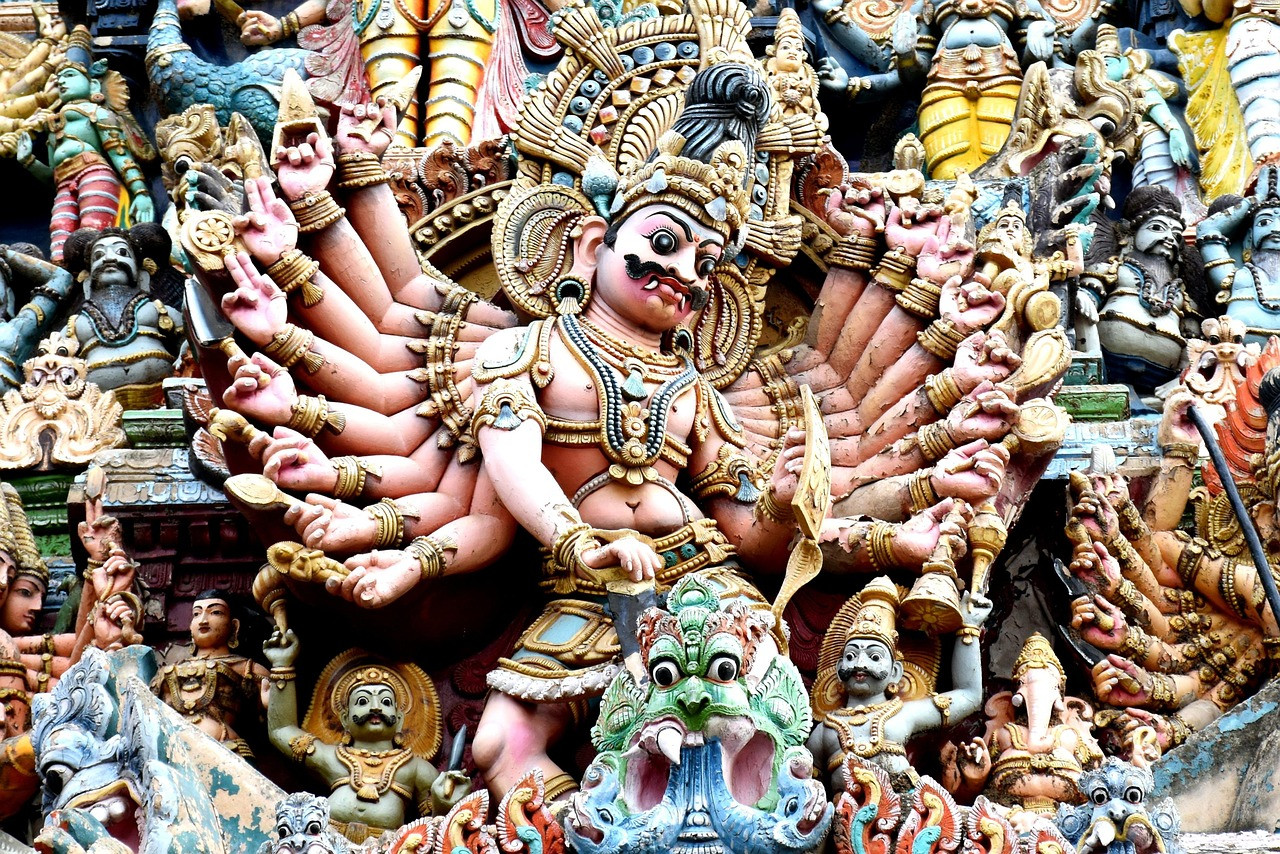
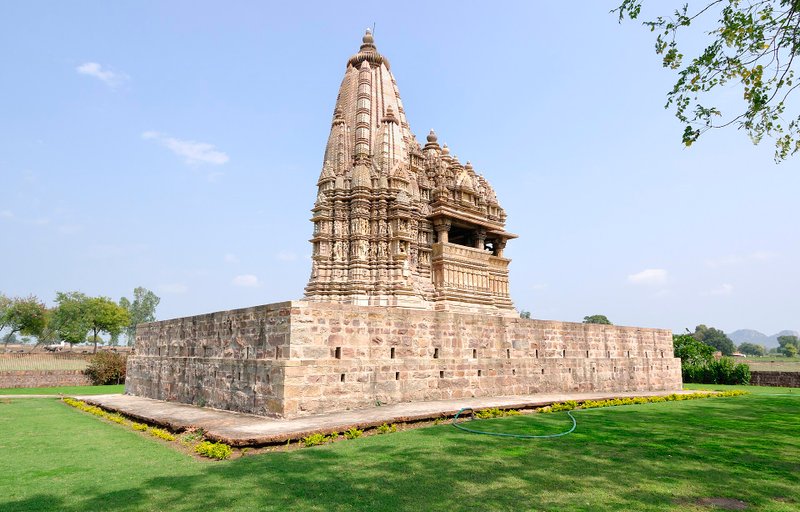
Representative image: prasanna_devadas / Pixabay
The Supreme Court on October 16, 2026 voided a gift of Erode temple land to Tamil Nadu for a taluk office, holding the State is only a custodian of temple property.
What Happened
The Supreme Court of India has declared void a 2017 gift of temple land to the Tamil Nadu government, holding that the State acts only as a custodian and regulator of temple property and can never become its owner by accepting it as a gift. The judgment, delivered on Friday, October 16, 2026, by a bench of Justices Pamidighantam Sri Narasimha and Alok Aradhe in K. Ramalingam v. Government of Tamil Nadu, concerns about one acre of land in Kodumudi village in Erode district that belongs to the Nagapalayam Mariamman-Ponnachiamman Temple and now houses a taluk office.
Key Facts
- The land, 1 acre and 10 cents in Kodumudi village, Erode district, belongs to the Nagapalayam Mariamman-Ponnachiamman Temple.
- On August 30, 2017, a temporary trustee of the temple executed a gift deed handing the land to the Government of Tamil Nadu for a taluk office.
- The court held the gift void under Section 41 of the Tamil Nadu Hindu Religious and Charitable Endowments Act, 1959, which bars gifts of inam land, meaning land granted for a deity's upkeep.
- It also found the registration of the deed contrary to Section 22-A of the Registration Act, 1908.
- The Madras High Court had earlier dismissed the hereditary trustee's challenge; that order was set aside.
- Because the taluk office was already built with public money, the court let the State keep using it as a tenant, at a rent of Rs 31,000 a month from March 8, 2019, revised every three years.
- Arrears of rent are to be paid to the temple within three months.
- The ruling is reported as 2026 INSC 1144.
Why It Matters
Temple land is one of the oldest forms of religious endowment in India. Kings, chieftains and ordinary devotees gave land to temples over centuries so that the income from it would pay for daily rituals, festivals, priests and the upkeep of the shrine. In Tamil Nadu, the Hindu Religious and Charitable Endowments (HR&CE) Department administers temples and their lands under the 1959 Act. That arrangement has long raised a question among devotees, trustees and legal scholars: when the State manages temple property, does it hold that property for the deity, or can it treat it as its own?
The bench answered that question plainly for this case. According to the reports of the judgment, the court said the State, acting through the Commissioner and other officers under the Act, is a custodian and regulator of temple property and not its owner. It held that the government cannot accept such land as a gift, even for a public purpose such as building a government office. In tradition, property dedicated to a deity belongs to the deity; in law, the court's reading of Section 41 means that a trustee has no power to give such land away, and any such gift is void from the start.
The judgment is also practical. Rather than ordering the demolition of a building that already serves the public, the court converted the arrangement into a lease and made sure the temple is paid. That approach protects the temple's ownership while avoiding waste of public funds. For temple trustees, it sets out a clear path: where a government body is already using temple land, the remedy can be fair rent paid to the temple rather than loss of the land.
The case also shows the role of hereditary trustees. It was the hereditary trustee who challenged the gift made by a temporary trustee. After losing in the Madras High Court in 2019, the appeal took about seven years to be decided in the Supreme Court.
| Point | Before the ruling | After the ruling |
|---|---|---|
| Ownership of the land | Claimed by the State through the 2017 gift deed | Remains with the temple |
| Gift deed of August 30, 2017 | Registered and treated as valid | Declared void |
| Taluk office | On land treated as government property | Continues as a tenant of the temple |
| Payment to the temple | No rent as owner | Rs 31,000 a month from March 8, 2019, revised every three years |
Impact
Short-term: The Tamil Nadu government must pay the temple the rent arrears calculated from March 2019 within three months, and continue paying monthly rent for the taluk office.
Long-term: The ruling gives temples and trustees across Tamil Nadu a clear Supreme Court statement that inam land dedicated to a deity cannot be transferred to the State as a gift. It is likely to be cited in other disputes over temple land used by government departments, and it may push officials to check how other temple properties came into government use.
Who is affected: The Nagapalayam Mariamman-Ponnachiamman Temple and its devotees in Kodumudi, the Erode district administration that runs the taluk office, the HR&CE Department, and trustees of temples elsewhere in the state whose lands are occupied by public offices.
Key Takeaway
The Supreme Court has held that the State only looks after temple land on the deity's behalf, so a trustee's 2017 gift of an Erode temple's land to Tamil Nadu is void and the government must now pay rent instead.
Questions and Answers
What did the Supreme Court decide about temple land in Erode?
On October 16, 2026, the Supreme Court declared void a 2017 gift of about one acre of land belonging to the Nagapalayam Mariamman-Ponnachiamman Temple in Kodumudi, Erode district, to the Tamil Nadu government. It held that the State is a custodian of temple property, not its owner, and cannot accept it as a gift.
Will the taluk office built on the temple land be removed?
No. Because the office was built with public funds, the court allowed it to stay, but as a tenant. The State must pay the temple Rs 31,000 a month from March 8, 2019, revised every three years, and clear the arrears within three months.
Which law did the court rely on?
The court relied on Section 41 of the Tamil Nadu Hindu Religious and Charitable Endowments Act, 1959, which declares gifts of inam land void, and found the deed's registration contrary to Section 22-A of the Registration Act, 1908.
Who brought the case?
The hereditary trustee of the temple challenged the gift made by a temporary trustee. The Madras High Court dismissed that challenge in 2019, and the Supreme Court has now set aside the High Court's order.
Disclaimer: Prepared by the Peepals newsroom from publicly available sources with AI assistance. Information is accurate to the best of our knowledge at the time of publication and may change. Images may be representative. Not professional advice. Report an error via our contact page.
Sourced and fact-checked by the Peepals Global Editorial Team
Valmiki Jayanti 2026 on October 26: why it follows Sharad Purnima
Papankusha Ekadashi 2026 on October 22: why the sunrise rule decides
Reported, fact-checked and published by the Peepals Global Editorial Team.