
IndiGo posts Rs 1,879 crore Q2 loss; CEO says fare rises unavoidable
 By Siddharth VermaBusiness Correspondent, Peepals Bharat
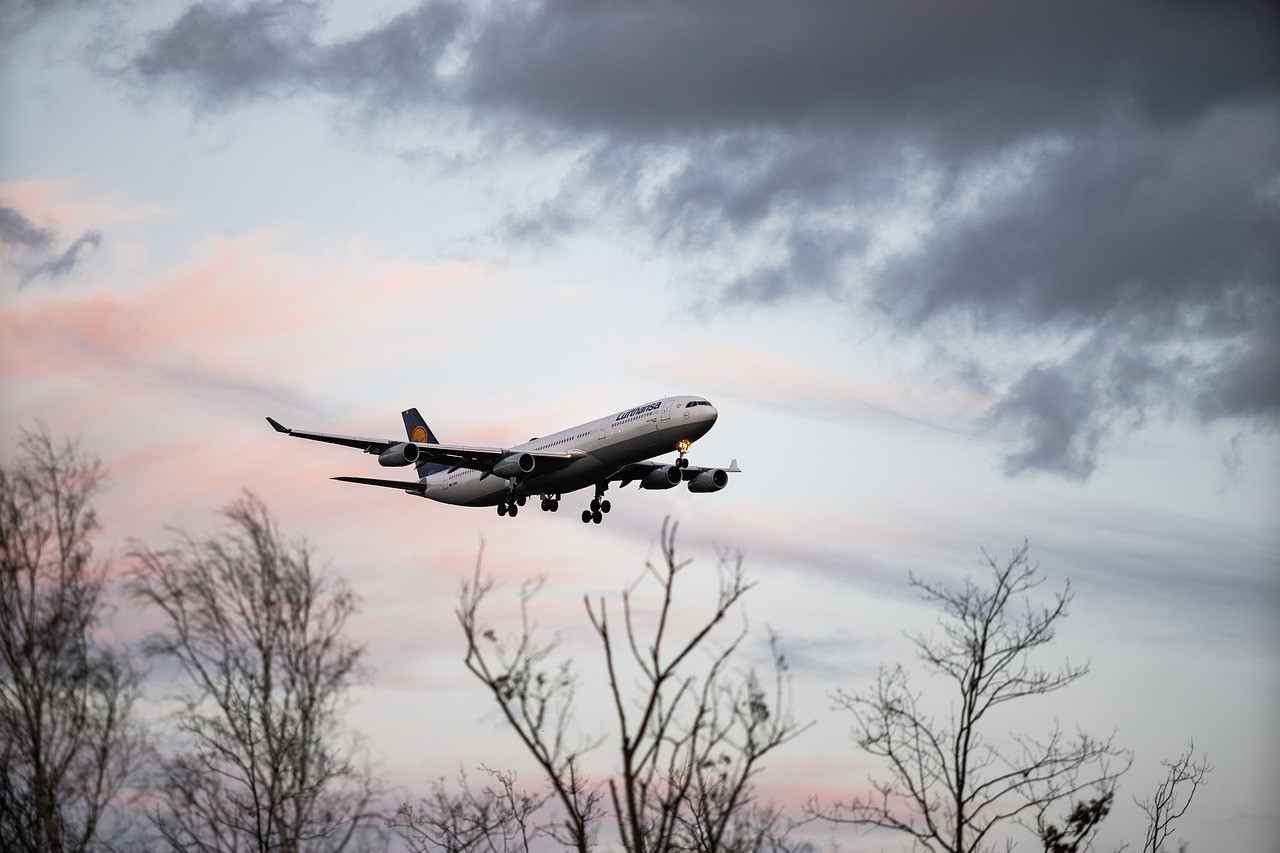
Representative image: dmncwndrlch / Pixabay
IndiGo reported a Rs 1,879.1 crore loss for July-September 2026 on October 29 as fuel costs rose 67%; CEO Willie Walsh said higher fares cannot be avoided.
What Happened
IndiGo's parent company, InterGlobe Aviation, reported a consolidated net loss of Rs 1,879.1 crore for the July to September 2026 quarter on Thursday, October 29, 2026, as its fuel bill rose by more than two-thirds and the weaker rupee added to costs. The loss was narrower than the Rs 2,582.1 crore loss of the same quarter a year earlier, and revenue rose 25.9 per cent. Chief executive Willie Walsh said fare increases could not be avoided with fuel prices this high.
Key Facts
- Net loss: Rs 1,879.1 crore in the September 2026 quarter (Q2 of FY27), against a loss of Rs 2,582.1 crore a year earlier.
- Revenue from operations: about Rs 23,364 crore, up 25.9 per cent year on year.
- Fuel: aircraft fuel expenses rose 67.2 per cent to Rs 9,966.8 crore.
- Excluding the effect of currency movements, the loss was Rs 723.7 crore, compared with a profit of Rs 103.9 crore a year earlier, according to the company's figures as reported.
- Walsh said the airline wants to limit fare increases but has no choice but to raise fares to cover the higher fuel bill.
- He said he expects fuel costs to stay high for the rest of the financial year, with early signs of a further rise in the October to December quarter.
- The airline expects capacity growth in the low single digits in the October to December quarter.
Why It Matters
IndiGo is India's largest airline, so its costs and pricing decisions shape what millions of domestic passengers pay. Fuel is an airline's biggest single expense. The company linked the quarter's weak result to elevated fuel prices and geopolitical developments, and when oil prices rise Indian carriers feel it quickly. A 67 per cent jump in the fuel bill in one year, as IndiGo reported, wipes out most of the benefit of strong ticket sales.
The weak rupee adds a second layer of pain. Airlines pay for aircraft leases, maintenance and many parts in dollars, so when the rupee falls their dollar costs grow in rupee terms. That is why the company's loss excluding currency effects was much smaller than the headline figure, though it was still a loss compared with a small profit a year earlier.
For travellers, the key message is in Walsh's comments. He described a near-direct link between fuel prices and fares and said demand had held up reasonably well. Indian airlines are already adding fuel surcharges to tickets. With fuel expected to stay high and the airline planning only modest capacity growth, fares are likely to stay firm in the coming months.
The results also show the limits of growth for now. IndiGo has been adding international routes and moving flights to new airports such as Navi Mumbai, but a cautious capacity plan for the coming quarter suggests it will protect earnings rather than chase market share while costs are this high. Walsh said the airline's efficient cost base and strong cash position give it room to handle the pressure.
| Measure | July-September 2026 | Year earlier or change |
|---|---|---|
| Net loss | Rs 1,879.1 crore | loss of Rs 2,582.1 crore |
| Revenue from operations | about Rs 23,364 crore | up 25.9% |
| Fuel expense | Rs 9,966.8 crore | up 67.2% |
| Result excluding currency effects | loss of Rs 723.7 crore | profit of Rs 103.9 crore |
Impact
Short-term: Air fares on domestic routes are likely to stay high or rise further in the October to December quarter, given the CEO's comments and fuel surcharges. Capacity growth will be limited, so seats on busy routes may be harder to find at low prices.
Long-term: If oil prices stay high, Indian airlines will keep under pressure to raise fares, cut costs and slow expansion. A recovery in profits would depend on fuel prices easing, a steadier rupee and continued strong demand.
Who is affected: Domestic and international passengers who fly IndiGo; travel agents and tourism businesses that depend on affordable air travel; IndiGo's employees and shareholders; and airports planning around its growth.
Key Takeaway
IndiGo's September quarter loss narrowed to Rs 1,879.1 crore, but with its fuel bill up 67 per cent its CEO says higher fares cannot be avoided.
Questions and Answers
How much did IndiGo lose in the September 2026 quarter?
InterGlobe Aviation, which runs IndiGo, reported a consolidated net loss of Rs 1,879.1 crore for July to September 2026, compared with a loss of Rs 2,582.1 crore a year earlier.
Why did IndiGo make a loss despite higher revenue?
Revenue rose 25.9 per cent, but fuel expenses jumped 67.2 per cent to Rs 9,966.8 crore and the weaker rupee raised dollar-linked costs. Without currency effects, the loss was Rs 723.7 crore.
Will IndiGo fares go up?
CEO Willie Walsh said fare increases cannot be avoided because of the rise in fuel prices, though the airline wants to limit them. He expects fuel costs to stay high for the rest of the financial year.
What is IndiGo's plan for the next quarter?
The airline expects capacity growth in the low single digits in October to December 2026 and says it will stay focused on short-haul flying with a cautious approach to adding seats.
Disclaimer: Prepared by the Peepals newsroom from publicly available sources with AI assistance. Information is accurate to the best of our knowledge at the time of publication and may change. Images may be representative. Not professional advice. Report an error via our contact page.
By Siddharth Verma, Business CorrespondentCovers Business and more for Peepals Bharat. All stories by Siddharth Verma
Himachal to hire 3,100 teachers for CBSE-affiliated government schools
PhysicsWallah, Startup India sign pact to back 25,000 small-town start-ups
Get the day's stories in your inbox
Peepals Weekly: the week decoded, free. One email a week, unsubscribe in one click.
Siddharth Verma is a pen name of the Peepals Global Editorial Team, which researches, fact-checks and publishes every story. The portrait is an illustration.