
Nestle share price falls 7% despite 36% profit jump as company flags food inflation
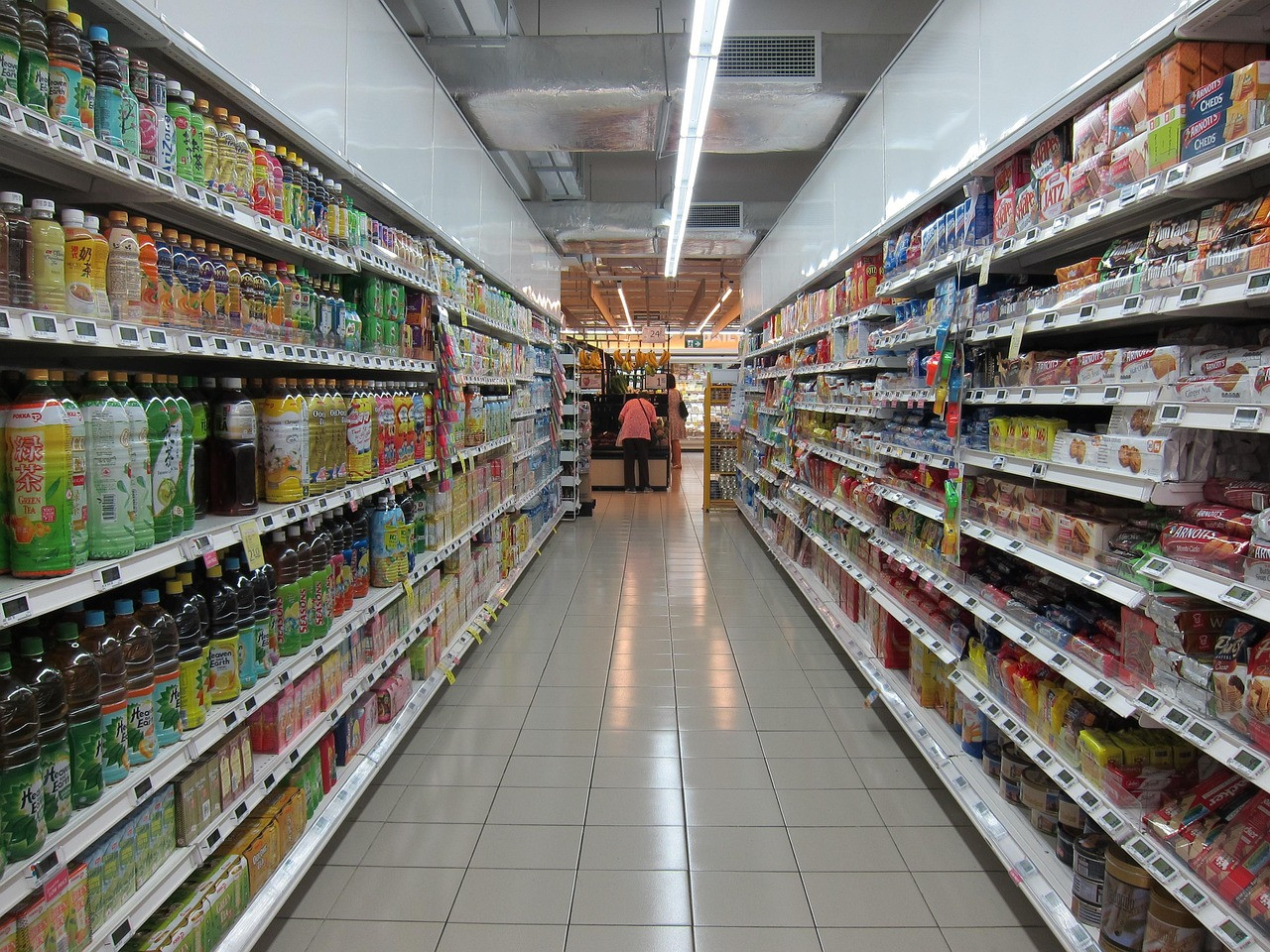
Representative image: ccipeggy / Pixabay
Nestle India's Q2 profit rose about 36% to Rs 1,010 crore on October 15, 2026, but shares fell up to 7-8% as it flagged food and commodity inflation.
What Happened
Nestle India reported on Thursday, October 15, 2026, that its consolidated net profit for the July-September quarter rose about 35.9 per cent from a year earlier to Rs 1,009.6 crore, while revenue from operations grew 20.3 per cent to Rs 6,788.3 crore. Standalone profit, which covers the Indian business alone, rose 36.3 per cent to Rs 1,026.77 crore. Despite the strong numbers, the company's shares fell sharply on the day, by about 7 to 8 per cent at their lowest, after management warned that food and commodity inflation remain a challenge. The fall came on a day when the wider market rallied strongly.
Key Facts
- Quarter covered: July to September 2026, the second quarter of financial year 2026-27.
- Consolidated net profit: about Rs 1,009.6 crore, up 35.9 per cent year on year.
- Revenue from operations: about Rs 6,788.3 crore, up 20.3 per cent.
- Standalone net profit: Rs 1,026.77 crore, up 36.3 per cent.
- EBITDA margin widened to about 23.8 per cent from about 21.8 per cent a year earlier, though it was lower than in the previous quarter.
- The company reported double-digit volume growth across its product categories.
- Management flagged persistent food inflation and higher commodity costs as key concerns.
Why It Matters
Nestle India is one of the country's largest packaged food companies, with brands found in almost every household, from instant noodles to coffee, milk products and chocolates. Its results are watched as a signal of how much Indian families are spending on everyday branded food. A 20 per cent rise in revenue, backed by volume growth rather than only price increases, suggests that demand for packaged foods remained firm in the quarter. For a large consumer company, double-digit volume growth across categories is a strong showing.
So why did the shares fall? The answer lies in what investors expect next. The company said inflation in food and in commodities such as milk, coffee, cocoa and grains remains a pressure. When raw material costs rise, a company must either raise prices, which can slow demand, or accept thinner margins. Margins were already lower than in the previous quarter. Investors who had paid a high price for the stock, which trades at a rich valuation compared with its earnings, reacted to the risk that growth could slow in coming quarters.
The fall also stood out because the broader market moved the other way. On the same day the Sensex jumped more than 1,500 points at its peak, led by IT shares. A large consumer stock falling sharply on such a day shows that the reaction was specific to Nestle's own outlook rather than general market mood.
For the wider economy, the results carry a mixed message. Strong volumes point to healthy consumption, especially as the festive season begins. But a warning about food inflation from one of the country's largest food makers adds to signs that household budgets may face pressure from higher prices.
| Measure | Q2 FY27 | Change from a year earlier |
|---|---|---|
| Consolidated net profit | Rs 1,009.6 crore | up 35.9% |
| Revenue from operations | Rs 6,788.3 crore | up 20.3% |
| Standalone net profit | Rs 1,026.77 crore | up 36.3% |
| EBITDA margin | about 23.8% | up from about 21.8% |
Impact
Short-term: The share price drop reflects investor caution. Analysts are likely to adjust earnings forecasts to account for higher input costs. Consumers could see price revisions on some packaged foods if commodity costs keep rising, though the company has not announced specific increases in its results.
Long-term: If inflation eases, the strong volume base positions the company for steady growth. If it persists, the company and its peers will have to balance price rises against demand, especially in smaller towns where buyers are more sensitive to price.
Who is affected: Shareholders, including retail investors and mutual funds that hold the stock; dairy farmers and suppliers of coffee, cocoa and grains who sell to the company; retailers and distributors; and households that buy its products.
Key Takeaway
Nestle India's profit rose about 36 per cent and revenue 20 per cent in the September quarter, but its warning on food and commodity inflation sent the stock sharply lower on a day the market rallied.
Questions and Answers
Why did the Nestle share price fall after strong results?
Investors focused on the company's warning that food and commodity inflation remain a challenge, which could squeeze margins or force price increases. Margins were also lower than in the previous quarter, and the stock already traded at a high valuation.
How much profit did Nestle India make in Q2 FY27?
Consolidated net profit was about Rs 1,009.6 crore, up 35.9 per cent from a year earlier. Standalone profit was Rs 1,026.77 crore, up 36.3 per cent.
Did Nestle India sell more products, or only charge more?
The company reported double-digit volume growth across its product categories, which means it sold more goods, not only at higher prices.
Will Nestle products become costlier?
The company has not announced specific price increases in its results. It has flagged rising commodity costs, which often lead food makers to consider price revisions.
Disclaimer: Prepared by the Peepals newsroom from publicly available sources with AI assistance. Information is accurate to the best of our knowledge at the time of publication and may change. Images may be representative. Not professional advice. Report an error via our contact page.
Sourced and fact-checked by the Peepals Global Editorial Team
IndiGo to fly Mumbai to Dar es Salaam daily from November 20
CBI arrests SFIO deputy director in Rs 1 crore bribe case tied to DHFL probe
Reported, fact-checked and published by the Peepals Global Editorial Team.