
Sikkim tourist vehicle fees from January 1: Nathula car entry Rs 1,500
 By Siddharth VermaStaff Writer, Peepals Bharat
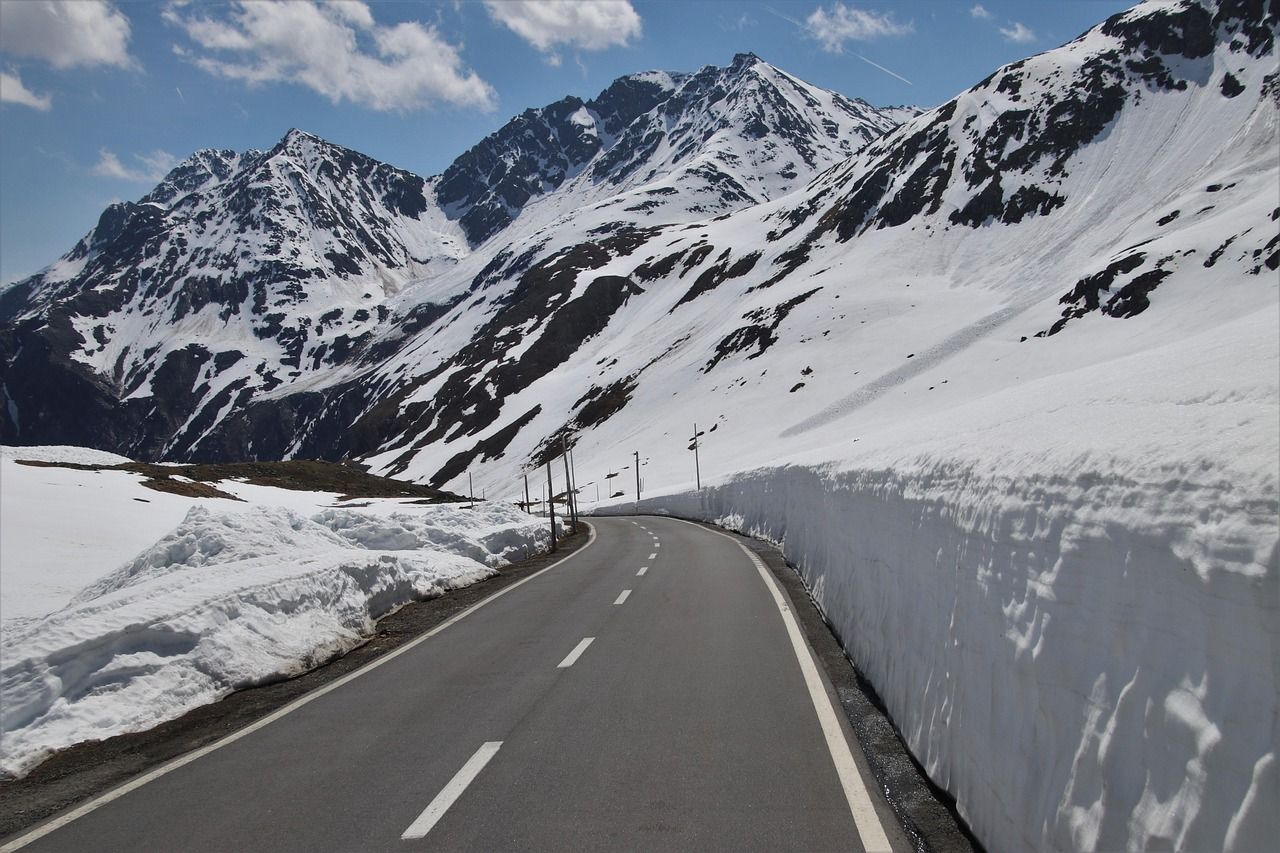
Representative image: pasja1000 / Pixabay
Sikkim's notification of 23 November 2026 sets tourist vehicle fees of Rs 750 to Rs 10,000 for Nathula, Tsomgo and other forest areas from 1 January 2027.
Sikkim permit: what happened
Sikkim's Home Department has revised the permit rules and introduced new entry fees for tourist vehicles going into the state's reserve forest areas, including the Nathula, Tsomgo, Baba Mandir, Dzuluk and Lingtam belt, under notification No. 127/Home/2026 issued on Monday, 23 November 2026. The new charges take effect on Friday, 1 January 2027, and range from Rs 750 for a private motorcycle to Rs 10,000 for a bus with more than 30 seats on the Gangtok-Pakyong side.
Sikkim permit: key facts
- Notification: No. 127/Home/2026, Sikkim Home Department, issued 23 November 2026.
- Effective date: Friday, 1 January 2027.
- Areas covered: reserve forest zones in Gangtok and Pakyong districts, including Nathula, Tsomgo, Baba Mandir, Dzuluk and Lingtam, and parts of Mangan district beyond the Sankalang-Toong and Phedang check posts.
- Cars: a five-seat four-wheeler pays Rs 1,500 in Gangtok-Pakyong and Rs 1,200 in Mangan.
- Buses: Rs 10,000 in Gangtok-Pakyong and Rs 7,500 in Mangan for vehicles with more than 30 seats.
- Motorcycles: Rs 750 for a private motorcycle, with Rs 350 for a pillion rider.
- Exempt: residents holding a Sikkim Subject Certificate, Certificate of Identification, Residential Certificate or Voter ID; commercial cabs continue under the Sikkim-West Bengal arrangement without extra fees.
- Administration: the Tourism and Civil Aviation Department will process tourist passes; the Home Department keeps VIP and official permits, and the Army issues permits for its own vehicles.
Sikkim permit: why it matters
The Nathula and Tsomgo circuit, Baba Mandir and the Dzuluk-Lingtam route lie inside reserve forest areas, where entry is controlled through permits. The new notification adds a clear, vehicle-based fee that every tourist vehicle must pay to enter.
For a family or a group of friends planning a trip, the fee will be built into the cost of the day excursion. A five-seat car to Tsomgo and Nathula will pay Rs 1,500 from January, and a tempo traveller with up to 15 seats Rs 4,500. Tour operators may pass these charges on in package prices, so travellers booking trips for 2027 should check whether the fee is included.
The fee chart is set higher for the Gangtok-Pakyong belt than for Mangan district in the north, reflecting the different routes. Residents of Sikkim with the listed documents are exempt, so the burden falls on visitors from outside the state.
Earlier drafts of the system, described in October, had a different fee structure, and the Chief Minister had asked the department to review fees after concerns from operators. The notification of 23 November is the version that will apply from January.
Peepals calculation: worked out per seat at full capacity on the Gangtok-Pakyong side, a five-seat car pays Rs 300 a seat (1,500 ÷ 5), a 10-seat vehicle Rs 250 (2,500 ÷ 10), a 15-seat tempo traveller Rs 300 (4,500 ÷ 15), a 20-seat bus Rs 325 (6,500 ÷ 20) and a 30-seat bus Rs 250 (7,500 ÷ 30). So the charge per traveller stays between Rs 250 and Rs 325 for a full vehicle. Our calculation from the reported figures.
| Vehicle | Gangtok-Pakyong | Mangan |
|---|---|---|
| Four-wheeler, 5 seats | Rs 1,500 | Rs 1,200 |
| 6 to 10 seats | Rs 2,500 | Rs 1,500 |
| 11 to 15 seats | Rs 4,500 | Rs 2,500 |
| 16 to 20 seats | Rs 6,500 | Rs 3,500 |
| 21 to 30 seats | Rs 7,500 | Rs 5,500 |
| More than 30 seats | Rs 10,000 | Rs 7,500 |
Sikkim permit: impact
Short-term: Tour operators and travellers planning trips to Nathula, Tsomgo and North Sikkim for January 2027 and later will need to budget for the new vehicle fee.
Long-term: A fixed, published fee could make permits simpler and bring more revenue to the state for managing tourist traffic in sensitive forest and border areas. It may also nudge travellers towards shared, larger vehicles, which cost less per person.
Who is affected: Tourists visiting East and North Sikkim; tour operators, travel agents and drivers; and Sikkim's tourism and home departments, which will run the new system.
What to watch next: The fees take effect on Friday, 1 January 2027.
Sikkim permit: key takeaway
If you are planning a Nathula or Tsomgo trip from January 2027, ask your operator whether the new vehicle entry fee is included, since it adds Rs 250 to Rs 325 per seat for a full vehicle.
Sikkim permit: questions and answers
What is the new Sikkim tourist vehicle fee for Nathula and Tsomgo?
From 1 January 2027, a five-seat car will pay Rs 1,500 to enter the Gangtok-Pakyong reserve forest belt, which includes Nathula, Tsomgo and Baba Mandir. Larger vehicles pay more, up to Rs 10,000 for a bus with more than 30 seats.
When do the new Sikkim permit fees start?
The fees take effect on Friday, 1 January 2027, under notification No. 127/Home/2026 issued on 23 November 2026.
Who is exempt from the new fees?
Residents with a Sikkim Subject Certificate, Certificate of Identification, Residential Certificate or Voter ID are exempt. Commercial cabs continue under the Sikkim-West Bengal arrangement without extra fees.
How much do motorcycles pay?
A private motorcycle pays Rs 750, with an additional Rs 350 for a pillion rider.
Disclaimer: Prepared by the Peepals newsroom from publicly available sources with AI assistance. Information is accurate to the best of our knowledge at the time of publication and may change. Images may be representative. Not professional advice. Report an error via our contact page.
By Siddharth Verma, Staff WriterCovers Business and more for Peepals Bharat. All stories by Siddharth Verma
Panchayat Season 5 trailer out: Prime Video premiere on December 3
Haryana Census exam order: no major school exams before March 1, 2027
Your week ahead, every Sunday. Free.
Exam and result dates, IPOs opening, scheme deadlines, government holidays and the RBI decision for the next 7 days, plus the week's top stories. One email a week, unsubscribe in one click.
Siddharth Verma is a pen name of the Peepals Global Editorial Team, which researches, fact-checks and publishes every story. The portrait is an illustration.
Responsible for this story: the Peepals Global Editorial Team, led by editor Prashant Sonar. How we report