

Govt's RDI Fund backs Bengaluru's Peptris with Rs 86 crore for AI-discovered drugs
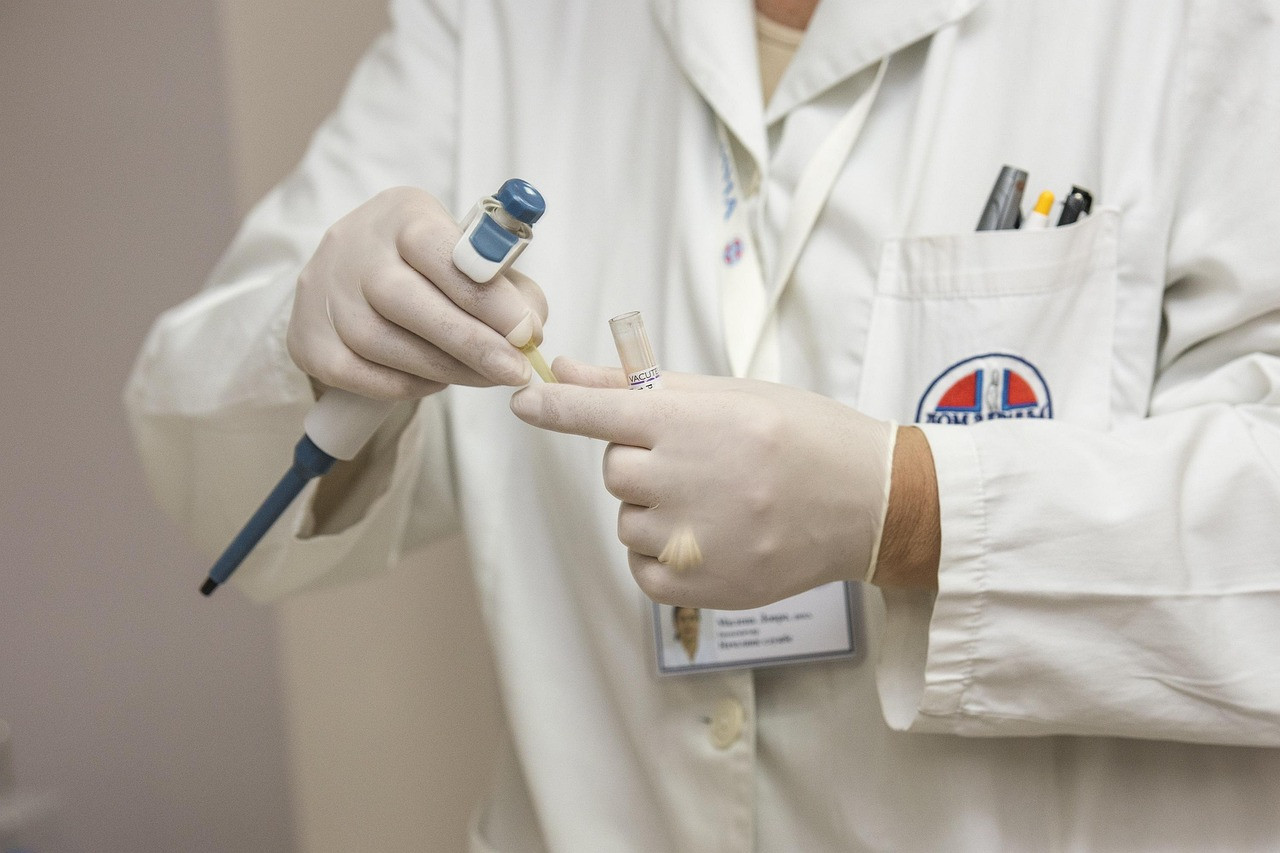
Representative image: DarkoStojanovic / Pixabay
The Technology Development Board signed a deal on 12 October 2026 to give Bengaluru start-up Peptris about Rs 86 crore from the RDI Fund for four drug candidates.
What Happened
The Technology Development Board (TDB), which works under the Department of Science and Technology, signed an agreement on Monday, 12 October 2026 to provide about Rs 86 crore to Bengaluru start-up Peptris Technologies for developing medicines discovered with artificial intelligence. The money comes from the government's Research Development and Innovation (RDI) Fund as optionally convertible debt and covers half of a Rs 172 crore project called VIGOR, which aims to move four of the company's drug candidates closer to human trials over three years.
Key Facts
- The TDB will provide about Rs 86 crore against a total project cost of Rs 172 crore.
- The support is given as optionally convertible debt from the RDI Fund, not as a grant.
- The three-year VIGOR programme covers four drug candidates: PEPR111, PEPRX101, PEPR202 and PEPR112.
- The aim is to take them from Technology Readiness Level 4 to Level 6, through preclinical research and preparation for clinical trials.
- Peptris was founded in 2019 and is based in Bengaluru.
- It raised Rs 70 crore in a Series A round in February 2026, co-led by IAN Alpha Fund and Speciale Invest.
- The RDI Fund is a Rs 1 lakh crore government programme to finance private sector research and innovation, with the TDB as one of its fund managers.
Why It Matters
Drug development is one of the most expensive and slowest businesses a start-up can enter. Moving a molecule from the computer screen into the laboratory, then into animal studies and finally into human trials can take years and hundreds of crores of rupees, and most candidates fail along the way. Venture investors in India have been wary of funding that long, risky middle stretch, which is why many promising Indian biotech ideas stall or are sold abroad early. The RDI Fund was set up to fill exactly this kind of gap with patient, high-risk money for private companies.
The form of the support matters for founders watching the scheme. Optionally convertible debt means the money can be repaid like a loan or turned into a shareholding later. That gives the government a share in any success, while the company does not have to give up equity upfront at a low early valuation. The deal also shows the RDI Fund moving from announcements to signed agreements with individual start-ups, which is the step founders need to see before they apply.
For India's start-up ecosystem, the choice of an AI drug discovery company is a signal of the kind of deep technology the government wants to back. India is already a major maker of generic medicines, but it has produced few original drugs. Companies like Peptris are trying to use computing to design new molecules faster and more cheaply, and public money at the preclinical stage could help them reach a point where private investors and pharmaceutical partners are willing to take over.
The usual caution applies. Readiness levels 4 to 6 still sit before human trials, so none of the four candidates is close to reaching patients, and many drug programmes fail between these stages.
| Item | Detail |
|---|---|
| Funder | Technology Development Board, DST |
| Recipient | Peptris Technologies, Bengaluru |
| Support | About Rs 86 crore, optionally convertible debt |
| Total project cost | Rs 172 crore |
| Programme | VIGOR, three years, four drug candidates |
Impact
Short-term: Peptris can fund preclinical studies and validation work on four candidates without raising an equally large private round immediately, and can expand its research team.
Long-term: If the candidates progress, the deal could become a model for how the RDI Fund backs high-risk Indian deep-tech, giving more founders a route to finance research that venture capital alone avoids.
Who is affected: Deep-tech and biotech founders looking for non-dilutive or patient capital, Indian pharmaceutical companies that may license new molecules, investors in AI and life sciences start-ups, and, in the long run, patients if any of the medicines succeed.
Key Takeaway
The government's RDI Fund has committed about Rs 86 crore to Bengaluru's Peptris to push four AI-discovered drug candidates towards clinical trials, a sign of public money moving into high-risk Indian deep-tech.
Questions and Answers
How much money is Peptris getting and from whom?
About Rs 86 crore from the Technology Development Board under the Department of Science and Technology, drawn from the Research Development and Innovation Fund. It covers half of the Rs 172 crore VIGOR project.
Is this a grant?
No. It is optionally convertible debt, which can be repaid or converted into a stake in the company later.
Will these medicines be available soon?
No. The project aims to take four candidates through preclinical research and prepare them for clinical trials over three years. Human trials and approvals would still lie ahead.
Can other start-ups get RDI Fund support?
The RDI Fund is meant to back private sector research in strategic and sunrise sectors through fund managers such as the TDB. Founders should check the TDB's open calls for eligibility and terms.
Disclaimer: Prepared by the Peepals newsroom from publicly available sources with AI assistance. Information is accurate to the best of our knowledge at the time of publication and may change. Images may be representative. Not professional advice. Report an error via our contact page.
Sourced and fact-checked by the Peepals Global Editorial Team
Odisha pushes Puri airport, heritage and road projects to make temple town world-class
Andhra fixes mayor quotas for 17 cities; Visakhapatnam, Guntur to get women mayors
Reported, fact-checked and published by the Peepals Global Editorial Team.