
Indore's YatriKart signs Rs 120 crore deal with MMG Group for 1,000 stores
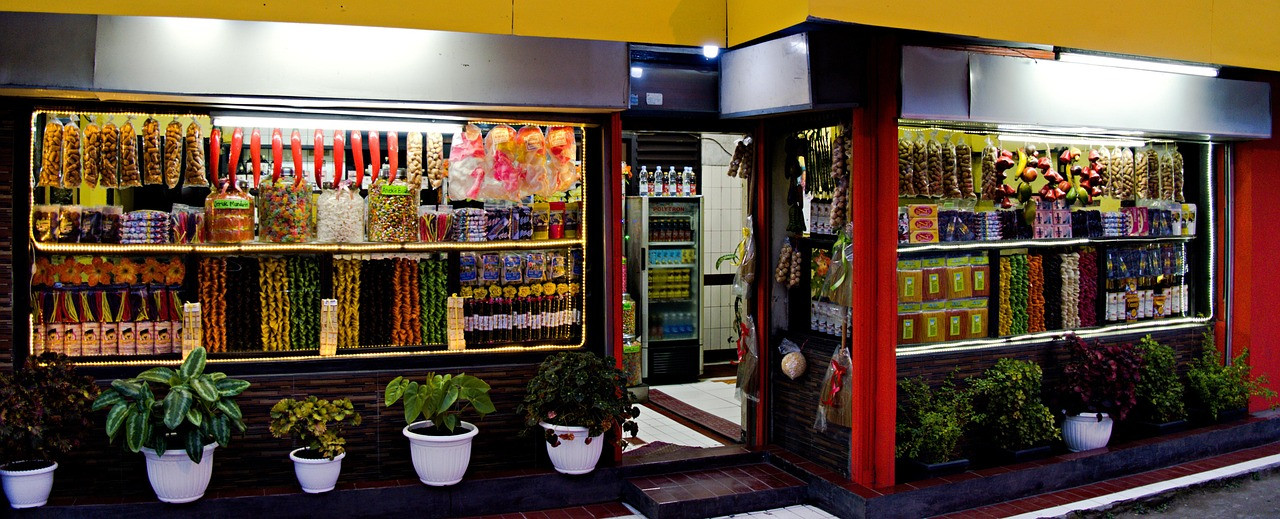
Representative image: ignartonosbg / Pixabay
Indore transit-retail start-up YatriKart and MMG Group agreed on October 20, 2026 to fund 1,000 Quick Stop stores over five years.
What Happened
YatriKart, a transit retail start-up headquartered in Indore, Madhya Pradesh, announced on 20 October 2026 a Rs 120 crore partnership with MMG Group to open 1,000 Quick Stop convenience stores across India over five years. Under the agreement, MMG Group will pay for the stores' setting up, while YatriKart will run them. The first phase targets 100 stores in the National Capital Region, beginning at fuel stations, highways and bus stands.
Key Facts
- Deal value: Rs 120 crore, to fund 1,000 Quick Stop stores over five years.
- Structure: Franchise Invested, Company Operated (FICO). MMG Group funds store infrastructure and capital spending; YatriKart handles operating costs, technology, supply chain, staff and daily running.
- The Rs 120 crore works out to about Rs 12 lakh per store.
- First phase: 100 stores in Delhi NCR at fuel stations, highways, bus stands and other transit points, followed by other markets.
- YatriKart now runs more than 80 stores in eight cities, at petrol pumps, highways, hospitals, corporate parks and bus stands, according to the company.
- The stores sell coffee, food, drinks and daily essentials. The company is also building an app to let travellers find a store on their route, order ahead and, at participating fuel stations, have items brought to their vehicle.
- MMG Group first invested in YatriKart through an equity stake in 2024. The company was founded in 2021; Gaurav Rana is its founder and chief executive.
Why It Matters
YatriKart is an example of the kind of company this page follows: a start-up built outside the big metros, solving a problem that people in small towns and on highways know well. Anyone who has driven between cities in India has stopped at a fuel pump with little more than a tea stall and a shuttered kiosk. YatriKart's idea, which it calls retail on the go, is to put a small, branded, organised shop where travellers already stop.
The structure of the deal is as important as its size. In a FICO arrangement, an investor puts up the money for each outlet and the brand operates it. For a young retailer, this is a way to grow quickly without raising large amounts of equity and diluting the founders' stake for every new store. For the investor, it offers a share in a running business without having to manage shops day to day. The arrangement carries risk on both sides: if footfall at a site is weak, the store may not earn back its setting-up cost, and the operator still carries the running expenses.
The company has said it wants to reach 5,000 outlets nationally, with the MMG partnership covering 1,000 of them. Going from about 80 stores to 1,000 in five years is a steep climb, and the plan will depend on securing sites at fuel stations and transit hubs, keeping supply chains reliable on highways, and finding staff for outlets that often work long hours.
For founders in tier 2 and tier 3 cities, the deal shows one way to fund physical expansion. Instead of looking only to venture capital, a company can partner with a business group that wants to invest in assets, while keeping control of operations and the brand.
Impact
Short-term: The first 100 stores in Delhi NCR are expected to come up at fuel stations, highways and bus stands. Each new store needs local staff, which means new retail jobs at transit points.
Long-term: If the rollout holds, highway and transit retail in India could become more organised, with branded stores, digital payments and app-based ordering in places now served mainly by small stalls. Success would also make YatriKart a reference case for start-ups from smaller cities building national chains.
Who is affected: Road and bus travellers; fuel station owners who lease space for the stores; job seekers in retail; local suppliers of snacks and essentials; and founders in tier 2 and tier 3 cities looking at asset-light ways to expand.
Key Takeaway
Indore-based YatriKart will use MMG Group's Rs 120 crore to open 1,000 travel convenience stores in five years, while keeping operations in its own hands.
Questions and Answers
What is the YatriKart and MMG Group deal?
Announced on 20 October 2026, it is a Rs 120 crore partnership under which MMG Group funds the setting up of 1,000 YatriKart Quick Stop stores over five years and YatriKart operates them.
Where will the first YatriKart Quick Stop stores open?
The first phase targets 100 stores in the National Capital Region, starting at fuel stations, highways, bus stands and other transit hubs, before expanding to other markets.
What does FICO mean in retail?
Franchise Invested, Company Operated. The investor, here MMG Group, pays for each store's infrastructure, while the brand, here YatriKart, runs the store and bears operating costs such as staff, technology and supply.
Where is YatriKart based and how big is it now?
YatriKart is headquartered in Indore, Madhya Pradesh, and was founded in 2021. It runs more than 80 stores across eight cities, according to the company.
Disclaimer: Prepared by the Peepals newsroom from publicly available sources with AI assistance. Information is accurate to the best of our knowledge at the time of publication and may change. Images may be representative. Not professional advice. Report an error via our contact page.
Sourced and fact-checked by the Peepals Global Editorial Team
The Legend of Hanuman Season 7 streams on JioHotstar from October 23
Zetwerk shares list at 5% premium after Rs 5,012 crore IPO
Reported, fact-checked and published by the Peepals Global Editorial Team.