
Citi CEO Jane Fraser warns AI patch rush will bring more outages
 By Arjun MehtaStaff Writer, Peepals Business
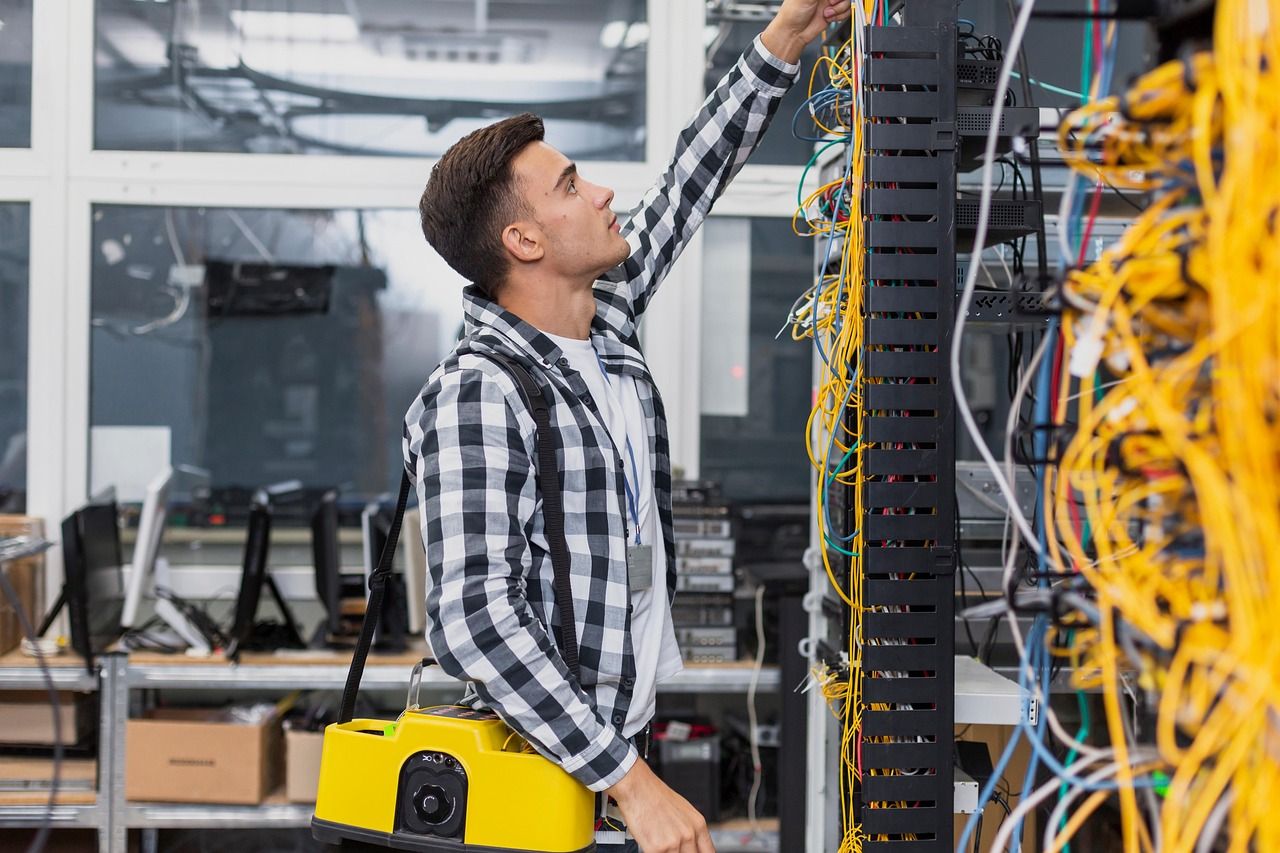
Representative image: RodDIYguy / Pixabay
Citigroup's Jane Fraser said on 18 November that patch volume is five to ten times past levels as AI exposes flaws, and firms should expect more outages.
Jane Fraser: what happened
Citigroup chief executive Jane Fraser said on Wednesday, 18 November 2026, that companies should expect more technology outages for some time because of the rush to fix security weaknesses in their software. Speaking at a Bloomberg Newsmakers event, she said the number of software patches moving through the world's technology systems at the same time is five to ten times anything seen before. "We should be expecting for a while some more downtime, some more outages in different areas," she said.
Jane Fraser: key facts
- Who: Jane Fraser, chief executive of Citigroup, one of the largest US banks.
- When and where: Wednesday, 18 November 2026, at a Bloomberg Newsmakers event.
- The claim: patch volume across global tech systems is five to ten times historical levels, by her estimate.
- Her warning: more downtime and more outages "in different areas" for a while.
- The driver: more capable artificial intelligence (AI) tools are finding software weaknesses faster, so technology teams have more fixes to test and install.
- Earlier warning: in September 2026, at the Qatar Economic Forum, Fraser described a "tsunami of patching" as firms raced to defend themselves against more capable AI models.
- Context at Citi: the bank is in the middle of a multi-year overhaul that includes retiring old "legacy" systems and giving AI tools to its software developers.
Jane Fraser: why it matters
A patch is a small update that fixes a flaw in software, often a security hole that attackers could use to break in. Every patch has to be tested and installed, and each change carries a small risk of breaking something else. When a handful of patches arrive in a month, teams can test them carefully. When the volume jumps several times over, the chance that one goes wrong and takes a service down rises with it. That is the trade-off Fraser was describing: companies are choosing to move fast on security, and accepting that some outages may follow.
Why is the volume rising? AI models can now read large amounts of code and spot weaknesses far faster than human researchers. That helps defenders, but the same ability is available to attackers, so every newly found flaw becomes urgent. Fraser had linked this pressure in September to the arrival of more capable "frontier" AI models, the most advanced general-purpose systems released by AI companies.
For enterprise technology, the message from the head of a global bank is a planning signal. Change management, the discipline of deciding when and how updates go live, becomes as important as finding the flaws. Firms that still run old core systems are most exposed, because older software is harder to test and patch without side effects. Citi itself is replacing such systems as part of its overhaul.
For Indian readers the point is practical rather than local: banks, payment apps and the large Indian IT services firms that run systems for global clients all live inside the same patch cycle. A warning from one of the world's biggest banks about more frequent downtime applies to any business that depends on software it does not fully control.
Peepals calculation: a patch load five to ten times the historical level means an increase of 400% to 900%. Put another way, for every patch that used to arrive, five to ten now do. Our calculation from the reported figures.
| Measure | Before | Now, by Fraser's estimate |
|---|---|---|
| Patch volume across global tech stacks | 1x (historical level) | 5x to 10x |
| Increase | - | 400% to 900% |
| Expected effect | Routine updates | "Some more downtime, some more outages" |
Jane Fraser: impact
Short-term: Customers of banks, airlines, retailers and online services may see more short service interruptions while companies push through security fixes. Firms are likely to face questions from boards and regulators on how they test updates before release.
Long-term: Companies will need stronger automated testing and safer ways to roll out updates, such as releasing a change to a small group of users first. Businesses that retire old systems may cope better with the higher pace of fixes.
Who is affected: Chief technology and security officers, IT operations teams, IT services companies that manage systems for clients, and every customer who relies on digital banking and payments.
Jane Fraser: key takeaway
Treat more frequent, short outages as a likely side effect of the AI-driven security race, and watch how quickly your bank, payment app or software vendors restore service when they happen.
Jane Fraser: questions and answers
What exactly did Jane Fraser say about outages?
She said companies should expect "some more downtime, some more outages in different areas" for a while, because the volume of software patches being installed worldwide is five to ten times anything seen before.
Why is AI linked to more software patches?
AI tools can scan code and find security weaknesses much faster than before. Each weakness found needs a fix, and attackers can use similar tools, so companies feel pressure to install fixes quickly.
Was this the first time she raised the issue?
No. In September 2026, at the Qatar Economic Forum, she spoke of a "tsunami of patching" as companies raced to strengthen their defences against more capable AI models.
What can companies do to limit the risk?
Common practice includes testing updates automatically before release, rolling changes out to a small share of users first, keeping a quick way to undo an update, and replacing old systems that are hard to patch safely.
Disclaimer: Prepared by the Peepals newsroom from publicly available sources with AI assistance. Information is accurate to the best of our knowledge at the time of publication and may change. Images may be representative. Not professional advice. Report an error via our contact page.
By Arjun Mehta, Staff WriterCovers Start-ups & Opportunities and more for Peepals Business. All stories by Arjun Mehta
Raw sugar TRQ: DGFT reopens 2.15 lakh tonne duty-free import window
Faceless GST assessment: CBIC draft for 70 lakh CGST taxpayers soon
Your week ahead, every Sunday. Free.
Exam and result dates, IPOs opening, scheme deadlines, government holidays and the RBI decision for the next 7 days, plus the week's top stories. One email a week, unsubscribe in one click.
Arjun Mehta is a pen name of the Peepals Global Editorial Team, which researches, fact-checks and publishes every story. The portrait is an illustration.
Responsible for this story: the Peepals Global Editorial Team, led by editor Prashant Sonar. How we report