
Delta Air Lines cuts 2026 profit outlook as fuel bill jumps 62% in Q3
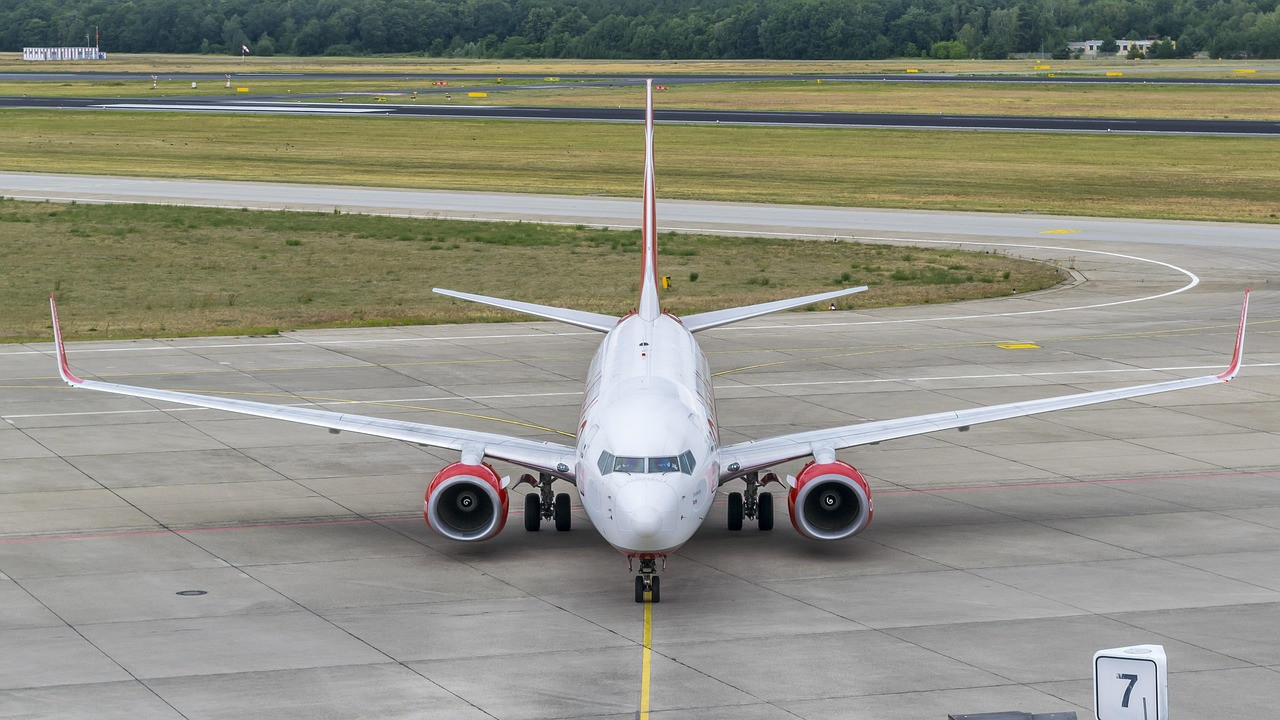
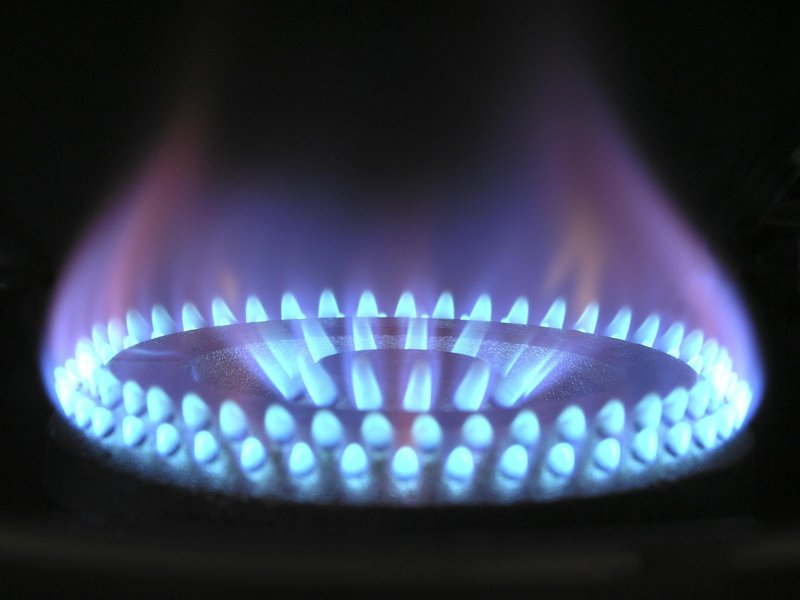
Representative image: Robert_LA / Pixabay
Delta Air Lines on October 9, 2026 cut its full-year EPS guidance to $5.10-$5.60 from $6.50-$7.50 after quarterly fuel costs rose 62%.
What Happened
Delta Air Lines cut its 2026 profit forecast on Friday, October 9, 2026, when it reported results for the July-September quarter, saying a sharp rise in jet fuel prices had outrun gains from strong ticket demand. The Atlanta-based carrier now expects full-year adjusted earnings of $5.10 to $5.60 per share, down from the $6.50 to $7.50 range it gave in July. Its quarterly adjusted earnings also came in below Wall Street estimates, and its shares fell in early trading on the New York Stock Exchange as investors weighed what costly oil means for airlines.
Key Facts
- Delta lowered its 2026 adjusted earnings guidance to $5.10-$5.60 per share from $6.50-$7.50 per share.
- Adjusted fuel expense in the September quarter rose 62% from a year earlier to about $4.14 billion.
- The average adjusted fuel price paid rose 60% to $3.61 per gallon.
- The company said it still expects about $4.5 billion in pre-tax profit for 2026 while absorbing a fuel bill about $6 billion higher than last year.
- For the October-December quarter, Delta guided adjusted earnings of $1.15-$1.65 per share and assumed fuel of about $4.25 per gallon.
- The airline's finance chief said the forecast cut was driven entirely by fuel, and that he expects prices to stay high for some time.
- Delta shares were down almost 2% in pre-market trade after the results.
Why It Matters
Delta is the first large US airline to report for the quarter, so its numbers set the tone for how markets judge the whole travel sector. The message was mixed. The company's leadership said demand, especially for premium cabins, shows no cracks. But fuel is an airline's biggest cost after labour, and with Brent crude trading above $100 a barrel, every extra dollar on a barrel feeds through quickly into the cost of flying.
The scale of the hit is what stands out. Delta says it will still earn about $4.5 billion before tax this year, a solid figure, but it has had to swallow roughly $6 billion more in fuel than a year ago. The company owns a refinery near Philadelphia, which normally cushions it from jet fuel spikes, and it said that plant's benefit should grow in the final quarter now that it is fully running. Even so, it expects to pay around $4.25 a gallon in the December quarter, well above the $3.61 average it paid in the quarter just ended. That suggests the pressure is building, not easing.
For investors, the results show how an energy shock moves through stock markets. Airline, cruise and logistics shares tend to fall when oil rises, while energy producers gain. Analysts will now watch whether other US carriers, which report over the coming weeks, raise fares further or cut capacity to protect margins. Indian airlines face the same pressure from expensive crude, made worse by a weak rupee, because jet fuel is priced off global benchmarks.
| Measure | Earlier view (July) | New view (October 9) |
|---|---|---|
| 2026 adjusted EPS | $6.50-$7.50 | $5.10-$5.60 |
| Q4 adjusted EPS | Not given | $1.15-$1.65 |
| Fuel cost per gallon | $3.61 in Q3 | About $4.25 expected in Q4 |
Impact
Short-term: Airline shares in the US and elsewhere are likely to stay sensitive to every move in crude prices. Travellers may see higher fares or fuel surcharges as carriers try to pass on costs, especially on busy year-end routes.
Long-term: If oil stays above $100, airlines may slow growth plans, delay some aircraft deliveries or trim less profitable routes. Carriers with strong premium demand and fuel hedging or refining assets, as Delta has, are better placed than budget airlines with thin margins.
Who is affected: Airline shareholders, travellers facing higher fares, airline workers whose bonuses depend on profit, aircraft makers and lessors, and investors in Indian aviation stocks watching global peers for clues on fuel trends.
Key Takeaway
Delta's October 9 forecast cut shows that strong travel demand is not enough to offset oil above $100, putting airline profits and stocks under pressure heading into year-end.
Questions and Answers
Why did Delta cut its 2026 profit forecast?
Because fuel costs rose much faster than its revenue. Its adjusted fuel bill jumped 62% in the July-September quarter, and the company said the cut in its outlook was caused entirely by fuel.
Is demand for air travel weakening?
Not according to Delta. Its leadership said demand, particularly for premium seats, remains strong. The problem is cost, not a shortage of passengers.
What fuel price does Delta expect for the rest of 2026?
It expects to pay about $4.25 per gallon in the October-December quarter, even after a larger benefit from its own refinery, compared with an average of $3.61 in the September quarter.
Does this matter for Indian investors?
Indirectly. Delta's results are an early signal of how high oil prices are hurting airlines worldwide. Indian carriers also buy fuel priced off global benchmarks, and a weaker rupee makes it costlier, so the same pressure applies to them.
Disclaimer: Prepared by the Peepals newsroom from publicly available sources with AI assistance. Information is accurate to the best of our knowledge at the time of publication and may change. Images may be representative. Not professional advice. Report an error via our contact page.
Sourced and fact-checked by the Peepals Global Editorial Team
SBI Research urges RBI to weigh off-cycle 50 bps hike to steady the rupee
SAP opens its 'Autonomous Enterprise' AI agents to customers from October
Reported, fact-checked and published by the Peepals Global Editorial Team.