
SBI Research urges RBI to weigh off-cycle 50 bps hike to steady the rupee
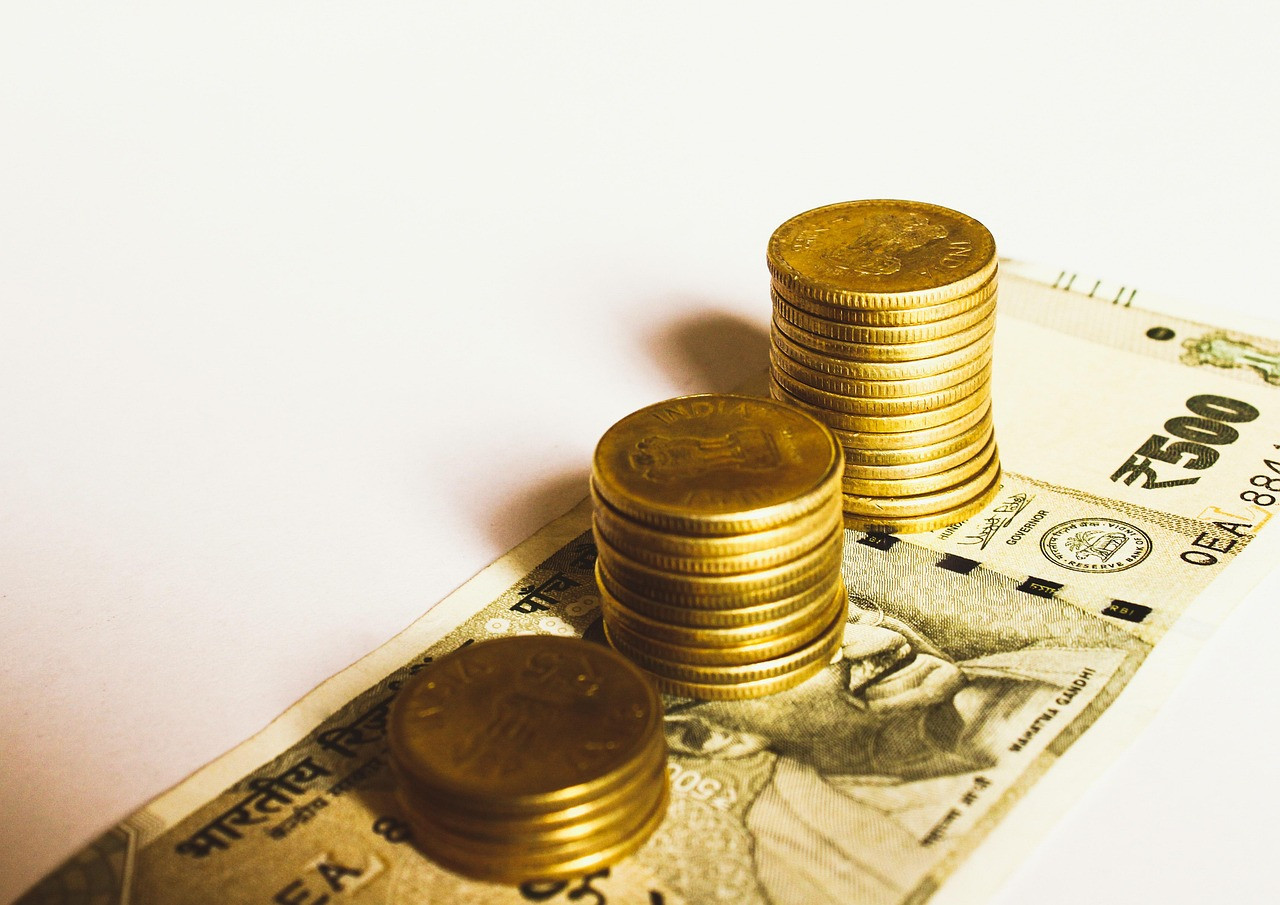
Representative image: rupixen / Pixabay
SBI Research's October 9 report asks the RBI to weigh a 50 bps hike, a wider liquidity corridor and a six-month export earnings rule to defend the rupee.
What Happened
SBI Research, the economics team of State Bank of India, has asked the Reserve Bank of India to go further than the 25 basis point repo rate increase it announced on Wednesday, October 7, 2026. In its Ecowrap report released on Friday, October 9, the team said the RBI should consider a 50 basis point hike, possibly through an off-cycle move before the next scheduled policy meeting. It also recommended that the central bank widen its liquidity corridor for a limited period and cut the time exporters are allowed to bring home their foreign earnings from about 15 months to six. The report argued that keeping the rupee stable now deserves as much attention as controlling inflation.
Key Facts
- The RBI raised the repo rate by 25 basis points to 5.50% on October 7, 2026.
- SBI Research's October 9 Ecowrap says a further 50 basis point increase should come sooner rather than later, and raises the option of acting between scheduled meetings.
- The report says the October hike was already priced in by markets, so it did little to move bond yields or the rupee.
- It proposes widening the liquidity adjustment facility (LAF) corridor beyond its current 50 basis points for a limited period, while leaving the repo rate at 5.5%.
- It suggests the widening could be asymmetric, using the marginal standing facility and fixed-rate reverse repo settings, a tool it says was used during market stress in 2013, 2020 and 2022.
- It recommends cutting the standard export proceeds realisation period from around 15 months to six months, with extensions decided case by case.
- In a note earlier in the week, SBI Research estimated retail inflation could peak near 6.8% in November and pointed to a 6% peak repo rate.
Why It Matters
State Bank of India is the country's largest lender, and its research desk is one of the most closely followed voices on interest rates. When it says the central bank has done too little, borrowers, bond investors and treasurers take note, because its view often shapes what the market expects next. A call for an off-cycle hike is unusual: it means the team believes conditions may not wait until the December meeting.
The worry behind the call is the rupee. The currency closed at 96.73 per US dollar on Friday, close to the record low it touched in May. India's foreign exchange reserves have fallen by about $51.1 billion from their September 4 peak as the RBI sells dollars to steady the currency while crude oil stays expensive. The RBI has also announced a special dollar window for state-run oil companies from October 12 and tightened rules on currency derivatives. SBI Research's point is that these steps, and a small rate rise that markets had already expected, have not been enough on their own.
The corridor proposal is technical but important. The LAF corridor is the band between the rate at which banks can park surplus money with the RBI and the rate at which they can borrow overnight in an emergency. Widening it, especially on the borrowing side, makes short-term rupee funding costlier for anyone betting against the currency, without changing the headline repo rate that sets home and business loan prices. The export proposal targets a different leak: if exporters must convert their dollar earnings faster, more dollars reach the market sooner, which can ease pressure on the rupee.
| Proposal | What it changes | Who feels it first |
|---|---|---|
| 50 bps hike, possibly off-cycle | Repo rate rises above 5.50% | Borrowers with floating-rate loans |
| Wider LAF corridor for a limited period | Overnight funding gets costlier, repo unchanged | Banks, money markets, currency traders |
| Export realisation cut to six months | Dollar earnings come home faster | Exporters and their banks |
Impact
Short-term: Expectations of further rate rises can push up bond yields and short-term borrowing costs even before the RBI acts. Exporters would need to plan for tighter timelines if the RBI adopts the six-month rule.
Long-term: If the RBI follows the advice and the rupee steadies, imported inflation from oil and other goods could ease, which would help households. If rates rise faster than expected, home, vehicle and business loan EMIs linked to external benchmarks will climb, and investment plans could slow.
Who is affected: Home and business borrowers on floating rates, exporters, importers who pay in dollars, banks managing liquidity, bond investors, and savers who may earn more on fixed deposits.
Key Takeaway
SBI Research says the RBI's 25 basis point hike was not enough and has called for a possible off-cycle 50 basis point increase, a wider liquidity corridor and faster export earnings repatriation to defend the rupee.
Questions and Answers
What did SBI Research recommend on October 9, 2026?
It urged the RBI to consider a 50 basis point repo rate hike, possibly between scheduled meetings, to temporarily widen the liquidity corridor while keeping the repo at 5.5%, and to shorten the export proceeds realisation period from about 15 months to six months.
Is this an RBI decision?
No. It is a recommendation from State Bank of India's research team. The RBI's last decision was a 25 basis point increase to 5.50% on October 7, 2026, and the central bank has not said it will adopt these proposals.
Why would widening the liquidity corridor help the rupee?
A wider corridor, especially a higher emergency borrowing rate, makes overnight rupee money more expensive for traders who borrow rupees to buy dollars. That can reduce speculative pressure on the currency without raising the headline repo rate.
Will my loan EMI go up?
Only if the RBI raises the repo rate again and your loan is linked to it. A corridor change alone would mainly affect banks' short-term funding, though it can feed into some market lending rates over time.
Disclaimer: Prepared by the Peepals newsroom from publicly available sources with AI assistance. Information is accurate to the best of our knowledge at the time of publication and may change. Images may be representative. Not professional advice. Report an error via our contact page.
Sourced and fact-checked by the Peepals Global Editorial Team
Gold Prices and Festivals in India: Dhanteras 2026 Demand Outlook
Delta Air Lines cuts 2026 profit outlook as fuel bill jumps 62% in Q3
Reported, fact-checked and published by the Peepals Global Editorial Team.