IMF tells UK to trim pensions and welfare, not lean on bank tax, before Oct 28 budget
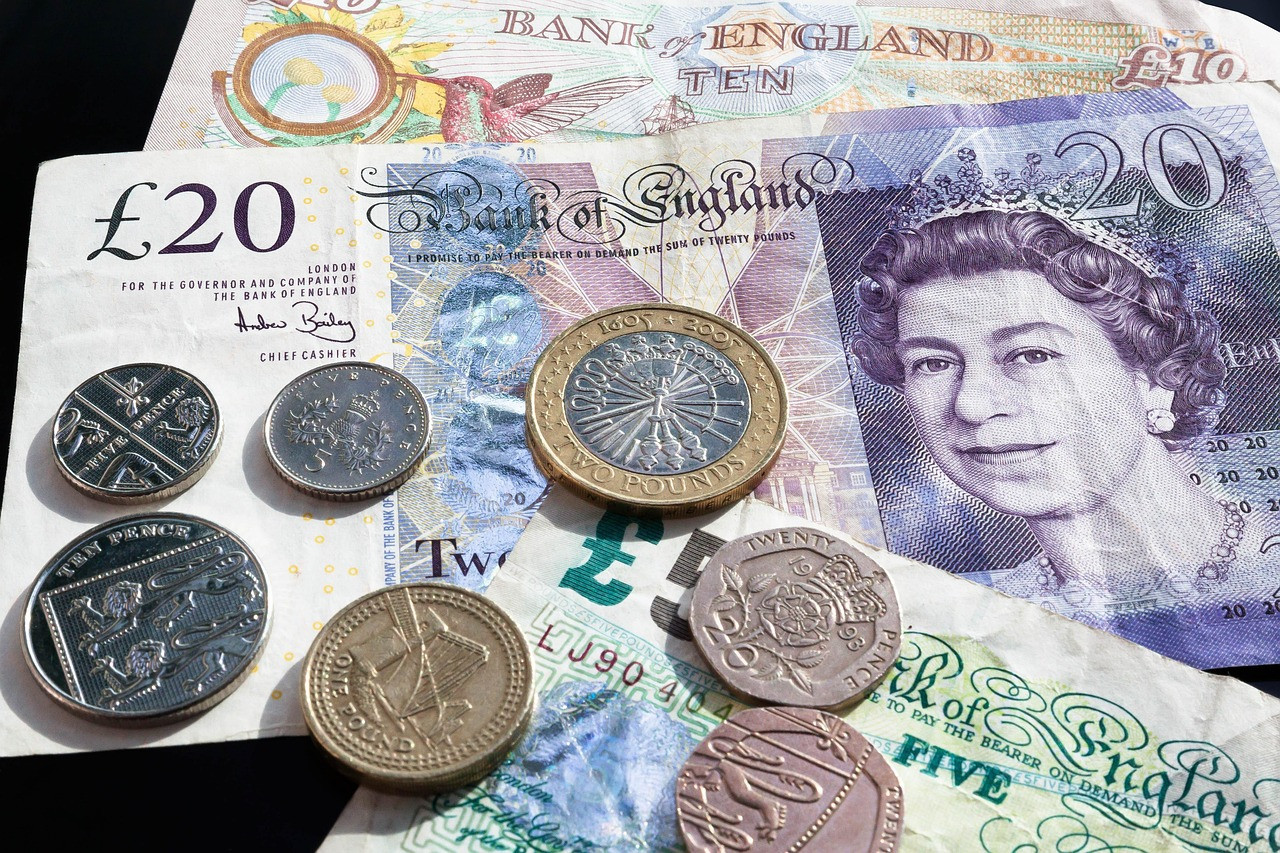
Representative image: stux / Pixabay
The IMF said on October 15, 2026 that UK Chancellor John Healey should look at pensions and benefits, not a higher bank tax, to fix public finances in his October 28 budget.
What Happened
The International Monetary Fund said on Thursday, October 15, 2026 that Britain should look to pensions and welfare spending, rather than a higher tax on banks, to repair its public finances in Chancellor John Healey's budget on October 28. Speaking at a press conference during the IMF's annual meetings in Bangkok, Helge Berger, the Fund's deputy director for Europe, said a higher bank tax was an option but should not be the first choice, and that the government should not raise taxes on work. He suggested ending the "triple lock" that sets the annual rise in the state pension and better targeting social benefits, alongside reforms to property tax and a broader VAT.
Key Facts
- The IMF gave its advice on October 15, 2026, ahead of the UK budget on October 28.
- Helge Berger, IMF deputy director for Europe, said: "We would not recommend increasing labour taxes."
- He said raising bank taxes was possible but should not be the first choice.
- Berger said: "Balancing revenue-side measures (with) measures on the expenditure side, doing a little more there makes sense: removing the 'triple lock', better-targeting social benefits."
- The IMF also pointed to property tax reform and a broader VAT base as options.
- The Fund noted UK tax revenue has risen to about 40% of the economy, high by the country's historical standards.
- Healey has promised not to raise the main rates of income tax or social security contributions, but has kept open raising a bank profit surcharge that brings in about £1 billion a year.
- Industry body UK Finance has warned that raising the surcharge from 3% to 8% could cut annual UK output by £1.2 billion by 2029-30.
Why It Matters
Every budget comes down to choices about who pays. Healey has ruled out the biggest revenue raisers, income tax and social security rates, which leaves a smaller set of options. A higher bank surcharge is one of the options still open, but the IMF's comments make that route harder to defend as the main answer. The Fund instead pointed to two areas that are politically sensitive: the triple lock, which guarantees pensioners a rise each year, and how social benefits are targeted.
The advice matters beyond Britain because many governments face the same squeeze between spending promises and reluctance to tax workers more. The IMF's view is that spending on pensions and benefits must be part of the fix, not only new taxes on companies. Financial markets will watch whether the budget follows that path, since borrowing costs depend on how credible the government's plans look.
For Indian businesses and investors, the UK budget matters because Britain is a major trading and investment partner, and changes to bank taxation or growth prospects can affect lenders and companies with UK operations. A budget that markets see as credible would support the pound and steady borrowing costs; one that is not could add to volatility.
| | Option | IMF view | |
|---|---|
| | Raise income tax or other taxes on work | Not recommended | |
| | Raise bank tax | Possible, but not the first choice | |
| | End the pension "triple lock" | Suggested | |
| | Better-targeted social benefits | Suggested | |
| | Property tax reform, broader VAT | Suggested | |
Impact
Short-term: The comments increase pressure on Healey to show spending restraint, especially on pensions and benefits, in the October 28 budget, and give banks support in arguing against a higher surcharge.
Long-term: Changing the triple lock or targeting benefits more tightly would shift the balance of who carries the cost of Britain's public finances, from companies and taxpayers towards some pensioners and benefit claimants.
Who is affected: UK pensioners and benefit claimants; banks and their shareholders; workers and businesses; and investors who hold UK government bonds or have UK operations.
Key Takeaway
The IMF told the UK to look at pensions and welfare, not mainly at banks, to balance its books, setting up difficult choices for John Healey's October 28 budget.
Questions and Answers
What was the IMF's advice to John Healey on the UK budget?
On October 15, 2026, the IMF said the UK should not raise taxes on work and should not make a higher bank tax its first choice. It suggested ending the pension triple lock, targeting social benefits better, and reforming property tax and VAT.
When is the UK budget?
Chancellor John Healey is due to present the budget on October 28, 2026.
What is the triple lock?
It is the UK rule that sets the yearly increase in the state pension. The IMF suggested removing it as part of a mix of spending measures.
Will Healey raise the bank surcharge?
He has not decided publicly. He has promised not to raise the main rates of income tax or social security contributions, but has left open an increase in the bank profit surcharge, which raises about £1 billion a year.
Disclaimer: Prepared by the Peepals newsroom from publicly available sources with AI assistance. Information is accurate to the best of our knowledge at the time of publication and may change. Images may be representative. Not professional advice. Report an error via our contact page.
Sourced and fact-checked by the Peepals Global Editorial Team
CapitaLand unveils Rs 1,940 crore, 53 MW data centre in Chennai's Ambattur
PNB Q2 profit rises 12.8% to Rs 5,532 crore as bad loans fall to 2.55%
Reported, fact-checked and published by the Peepals Global Editorial Team.