US producer prices jump 1.3% in September, most since 2022, as gasoline surges
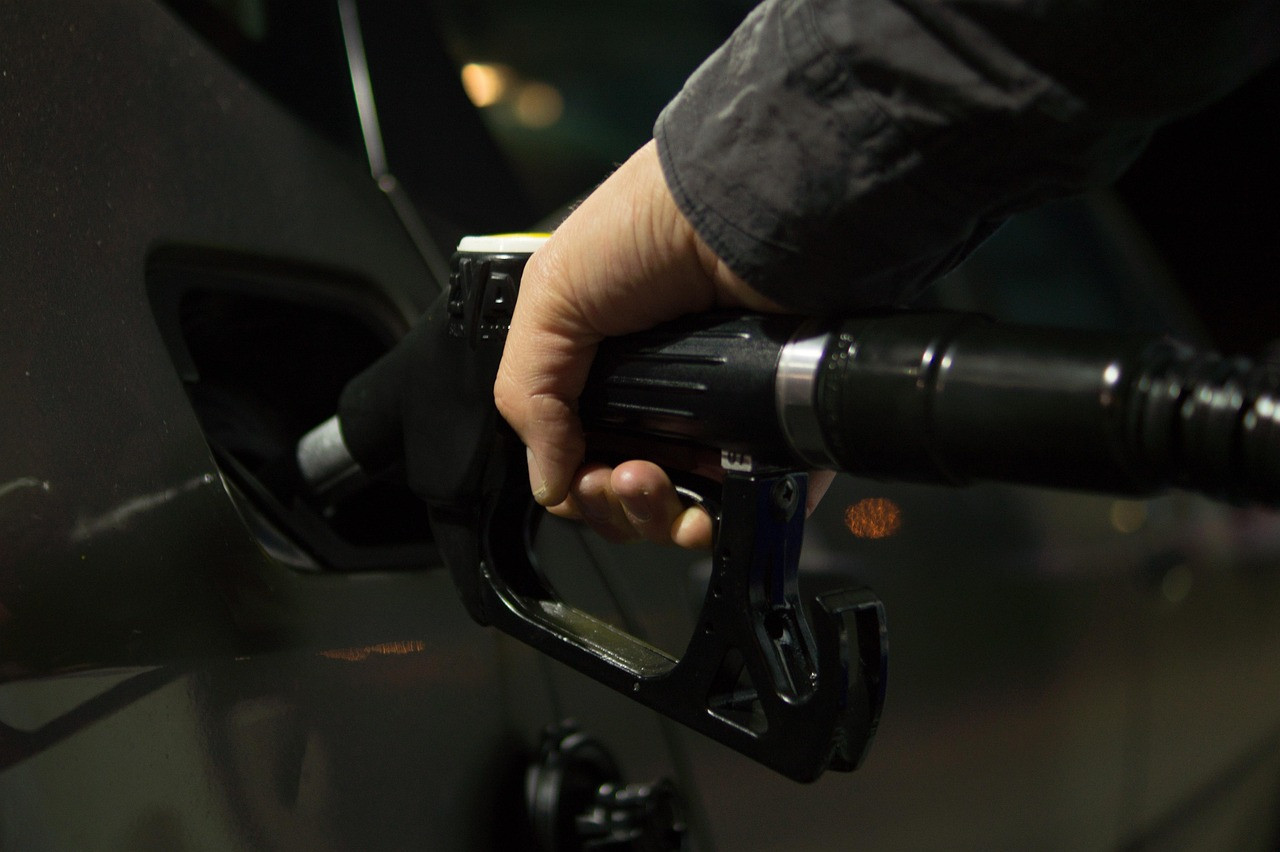
Representative image: ClickerHappy / Pixabay
US producer prices rose 1.3% in September 2026, the biggest monthly gain since March 2022, as gasoline jumped 20.3%; the annual rate hit 6.3%, BLS data released October 15 show.
What Happened
US producer prices rose 1.3% in September 2026, more than double the roughly 0.5% economists had expected and the largest monthly increase since March 2022, according to data released by the Bureau of Labor Statistics (BLS) on Thursday, October 15, 2026. The producer price index for final demand, which tracks what businesses receive for their goods and services, was up 6.3% from a year earlier, the highest annual rate since late 2022. Energy drove much of the increase: goods prices rose 2.6% in the month, with gasoline at the producer level up 20.3%, while services prices rose 0.8%.
Key Facts
- Final-demand producer prices rose 1.3% in September 2026, against forecasts of about 0.5%.
- It was the biggest monthly rise since March 2022.
- Over 12 months, producer prices rose 6.3%, the highest since late 2022.
- Goods prices rose 2.6% and services prices 0.8% in September.
- Producer-level gasoline prices jumped 20.3%, accounting for about half of the rise in goods prices.
- Excluding food, energy and trade services, prices rose 0.5% in the month and 5.0% over the year.
- The data are preliminary and may be revised.
Why It Matters
Producer prices are an early signal of where consumer prices may head. When businesses pay more for fuel, materials and services, they often pass at least some of that cost on to shoppers in the following months. A 1.3% jump in a single month, with an annual rate above 6%, suggests price pressures in the US economy are building again rather than easing.
Energy is the main story. With gasoline at the producer level up more than 20% in a month, the surge in fuel costs is feeding through the economy. But the core measure, which strips out food, energy and trade services, also rose 0.5% in the month and 5.0% over the year, which shows that the pressure is not only about oil.
The figures add to the challenge for the Federal Reserve. Consumer inflation data for September had already come in hot, and higher producer prices make it harder for the central bank to argue that inflation is under control. That raises the chance that interest rates stay high for longer, or that policymakers consider further increases.
For India and other emerging markets, a more hawkish Fed tends to mean a stronger dollar and higher US bond yields, which can pull money out of emerging-market stocks and bonds and put pressure on currencies such as the rupee. Higher global energy prices also raise India's import bill.
| Measure | September 2026 |
|---|---|
| Final-demand PPI, monthly | +1.3% |
| Final-demand PPI, annual | +6.3% |
| Goods | +2.6% |
| Services | +0.8% |
| Core (ex food, energy, trade), monthly | +0.5% |
| Core, annual | +5.0% |
Impact
Short-term: Markets are likely to price in a tougher stance from the Fed, which can weigh on stocks, especially growth and technology shares, and lift bond yields and the dollar.
Long-term: If energy costs stay high and businesses keep passing them on, US consumer inflation could remain elevated into 2027, keeping borrowing costs high for households and companies.
Who is affected: US businesses facing higher input costs, American consumers, the Federal Reserve, global investors, and emerging-market economies such as India that are sensitive to US interest rates and oil prices.
Key Takeaway
US producer prices jumped 1.3% in September 2026, the most since March 2022, as a gasoline surge pushed annual wholesale inflation to 6.3%, adding pressure on the Federal Reserve.
Questions and Answers
How much did US producer prices rise in September 2026?
Final-demand producer prices rose 1.3% in September 2026, the biggest monthly increase since March 2022, and were up 6.3% from a year earlier, according to the BLS.
What drove the jump in US producer prices?
Energy was the main driver. Producer-level gasoline prices rose 20.3% in the month and accounted for about half of the 2.6% rise in goods prices.
Did core producer prices also rise?
Yes. Excluding food, energy and trade services, prices rose 0.5% in September and 5.0% over 12 months.
Why does the PPI matter for consumers?
Producer prices measure what businesses receive for goods and services. When they rise sharply, businesses often pass some of the increase on to consumers in later months.
Disclaimer: Prepared by the Peepals newsroom from publicly available sources with AI assistance. Information is accurate to the best of our knowledge at the time of publication and may change. Images may be representative. Not professional advice. Report an error via our contact page.
Sourced and fact-checked by the Peepals Global Editorial Team
Reported, fact-checked and published by the Peepals Global Editorial Team.