
SK Hynix posts record 83 trillion won profit on AI memory demand
 By Rohit SharmaMarkets Analyst, Peepals Business
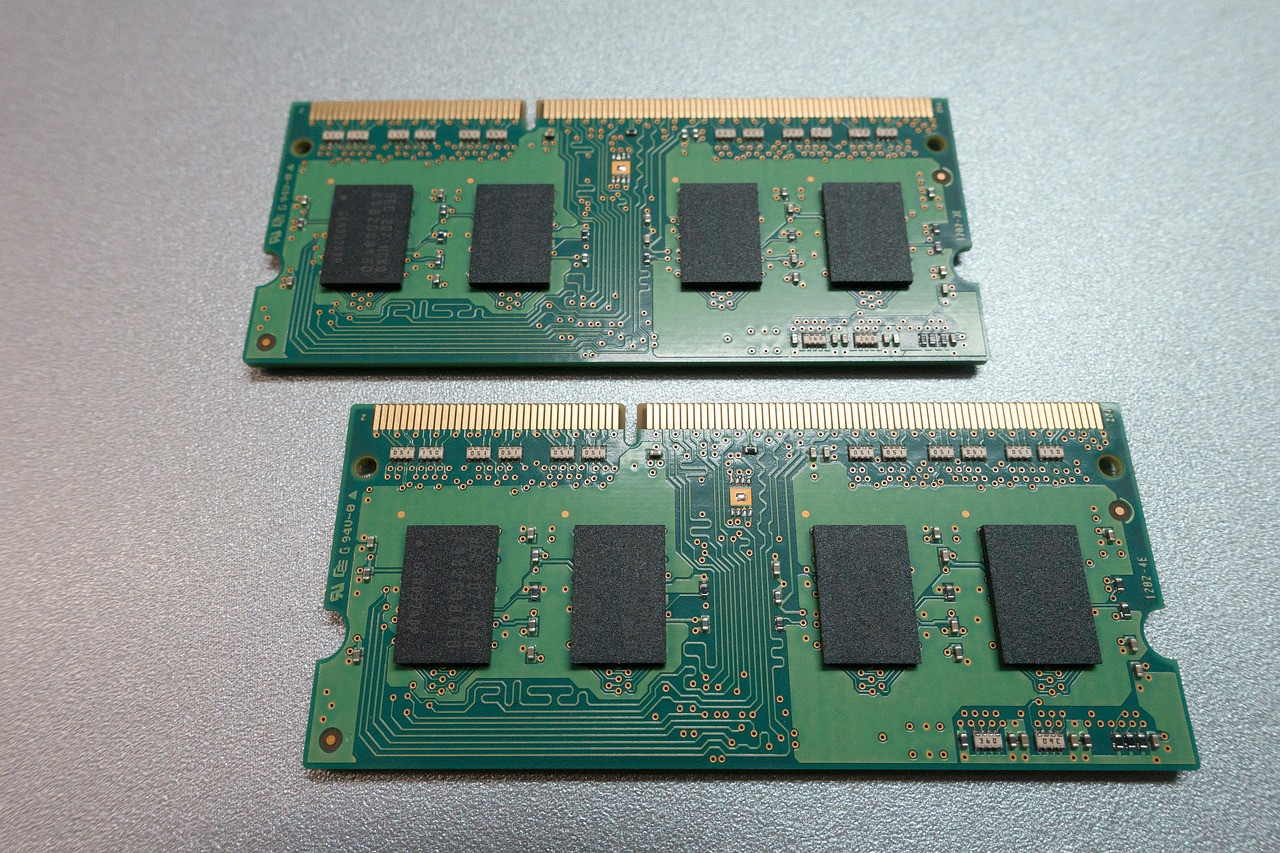
Representative image: stux / Pixabay
SK Hynix reported record Q3 2026 operating profit of about 83.3 trillion won on revenue of 104.6 trillion won, driven by AI memory chips, and set a 100 trillion won payout plan.
What Happened
SK Hynix, the South Korean company that makes the high-bandwidth memory used in artificial intelligence chips, reported the most profitable quarter in its history in results released on October 28, 2026, Korea time. Operating profit for July to September reached about 83.3 trillion won, up 632 per cent from a year earlier, on revenue of 104.6 trillion won, the first time quarterly revenue has passed 100 trillion won. That is an operating margin of about 80 per cent. The company said its newest memory, HBM4, entered full-scale mass production during the quarter, and it announced a shareholder return plan worth about 100 trillion won for the 2026 financial year, combining dividends and share buybacks.
Key Facts
- Revenue: 104.6 trillion won in the September quarter, a company record.
- Operating profit: about 83.3 trillion won, up 632% year on year, with a margin of about 80%.
- Expectations: profit came in above an analyst consensus of about 76.3 trillion won, according to Korean media.
- HBM4: full-scale mass production began in the quarter, and the company expects it to overtake the older HBM3E in the fourth quarter.
- Contracts: long-term agreements cover more than half of its capacity for 2027 and 2028, the company told analysts.
- Shareholder returns: a plan of about 100 trillion won for 2026, made up of dividends, buybacks and share cancellations.
- Dividend: 20,000 won per share for the quarter, half of it a special payout linked to gains on its stake in Kioxia, according to reports on the results.
Why It Matters
Every advanced AI system runs on processors that need fast access to huge amounts of data. High-bandwidth memory, or HBM, stacks memory chips on top of each other and places them next to the processor, so data moves much faster. Makers of AI accelerators depend on it, and SK Hynix has been the leading supplier. When companies around the world spend heavily on AI data centres, a large share of that money flows to a few memory makers.
An 80 per cent operating margin is extraordinary for a manufacturing company and shows how tight supply of AI memory has become. Customers have signed long-term contracts that lock in more than half of SK Hynix's output for 2027 and 2028, which tells investors that big buyers expect demand to stay high for at least two more years. The move to HBM4, the next generation, also raises the bar for rivals trying to catch up.
There is a flip side for everyone else. When memory makers shift production to AI chips, supply of ordinary memory for phones, laptops and servers can tighten, which tends to raise prices. Businesses planning hardware purchases, including Indian IT firms, data centre operators and device makers, may see higher memory costs as a result.
The record shareholder payout also signals a change in how chipmakers use their windfall. Rather than keep all the cash for new factories, SK Hynix is returning a large amount to investors, while still investing in capacity. For India, which is trying to build its own semiconductor industry, the results are a reminder of how valuable advanced memory has become and how far ahead the leading producers are.
| Measure | Q3 2026 |
|---|---|
| Revenue | 104.6 trillion won |
| Operating profit | About 83.3 trillion won |
| Operating margin | About 80% |
| Profit growth, year on year | 632% |
| 2026 shareholder return plan | About 100 trillion won |
Impact
Short-term: The results confirm that spending on AI hardware remains strong, supporting chip stocks and suppliers. Memory prices for other devices may stay firm as production favours AI.
Long-term: With HBM4 in mass production and capacity contracted into 2028, SK Hynix is positioned to keep its lead, while rivals race to win AI memory orders. Any slowdown in AI data-centre spending would be the main risk.
Who is affected: Companies building AI data centres and accelerators, PC and phone makers that buy memory, enterprise IT buyers, chip investors, and countries such as India that are developing semiconductor supply chains.
Key Takeaway
SK Hynix's record quarter, with about 83.3 trillion won in operating profit at an 80 per cent margin, shows that AI memory has become one of the most profitable parts of the technology industry, and that demand is locked in into 2028.
Questions and Answers
How much profit did SK Hynix make in Q3 2026?
SK Hynix reported operating profit of about 83.3 trillion won for July to September 2026, up 632 per cent from a year earlier, on record revenue of 104.6 trillion won. Its operating margin was about 80 per cent.
What is HBM and why is SK Hynix important?
HBM, or high-bandwidth memory, is stacked memory placed next to a processor to move data very fast, which AI chips need. SK Hynix is a leading supplier, and its newest version, HBM4, entered full-scale mass production in the quarter.
What is SK Hynix's shareholder return plan?
The company announced a plan worth about 100 trillion won for the 2026 financial year, combining dividends, share buybacks and share cancellations, including a 20,000 won per share dividend for the quarter.
Will this affect laptop and phone prices?
It could. When memory makers prioritise AI chips, supply of standard memory can tighten and prices can rise, which may feed through to device and server costs. The exact effect depends on how other producers respond.
Disclaimer: Prepared by the Peepals newsroom from publicly available sources with AI assistance. Information is accurate to the best of our knowledge at the time of publication and may change. Images may be representative. Not professional advice. Report an error via our contact page.
By Rohit Sharma, Markets AnalystCovers Markets Watch and more for Peepals Business. All stories by Rohit Sharma
Get the day's stories in your inbox
Peepals Weekly: the week decoded, free. One email a week, unsubscribe in one click.
Rohit Sharma is a pen name of the Peepals Global Editorial Team, which researches, fact-checks and publishes every story. The portrait is an illustration.