
Wheat sowing lags at 11,000 hectares as weak monsoon slows rabi season
 By Rohit SharmaMarkets Analyst, Peepals Business
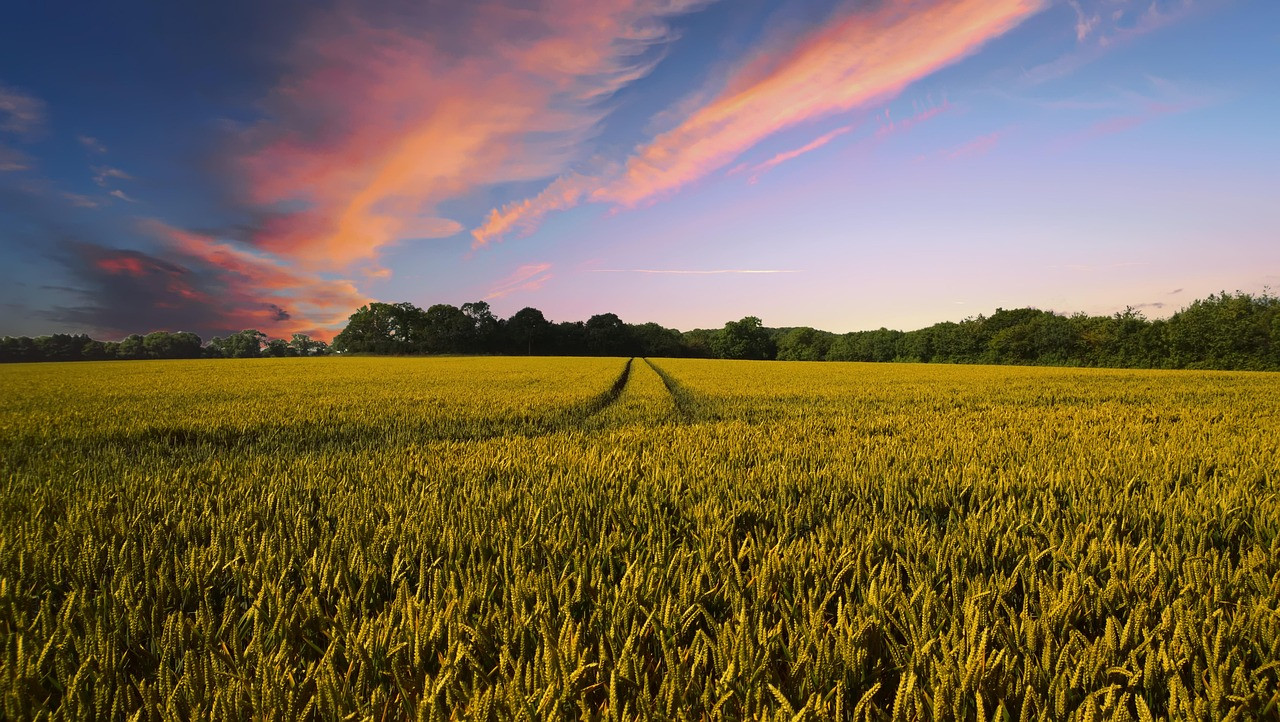
Representative image: TheDigitalArtist / Pixabay
Wheat was sown on about 11,000 hectares by October 23, 2026, against 27,000 a year ago; total rabi area fell to 18.02 lakh hectares, ministry data shows.
What Happened
Wheat sowing for the 2026-27 rabi (winter) season has barely begun in India, with about 11,000 hectares planted as of Friday, October 23, 2026, against about 27,000 hectares at the same point last year, according to Agriculture Ministry data reported on Tuesday, October 27. The ministry said wheat sowing had only just started in a few states. Total rabi coverage across all crops stood at 18.02 lakh hectares, down from 28.26 lakh hectares a year earlier, with oilseeds and pulses both behind. The slow start follows a deficient south-west monsoon that left less moisture in the soil and less water in reservoirs.
Key Facts
- Wheat area sown: about 11,000 hectares as of October 23, 2026, against about 27,000 hectares a year earlier, a fall of roughly 59%.
- All rabi crops: 18.02 lakh hectares, against 28.26 lakh hectares in the same period of 2025.
- Oilseeds: 13.38 lakh hectares, down from 21.34 lakh hectares.
- Pulses: 3.27 lakh hectares, down from 4.39 lakh hectares.
- Coarse cereals (such as jowar, bajra and maize): 23,000 hectares, up from 13,000 hectares.
- Wheat's normal rabi area is about 315 lakh hectares, so less than 0.1% of it has been sown so far.
- The government's wheat output target for 2026-27 is 121 million tonnes, after a record harvest of about 120.7 million tonnes last year, as reported with the data.
Why It Matters
Rabi crops are sown from October to December and harvested from March to May. Wheat is the most important of them: it feeds the public distribution system, supports flour mills and bakeries, and sets the income of millions of farm households in Punjab, Haryana, Uttar Pradesh, Madhya Pradesh and Rajasthan. Mustard and gram (chana) are the other big rabi crops, and they matter for edible oil and pulse supplies, both of which India still partly imports.
The early numbers do not yet show a failed season. Wheat is usually sown from late October to mid-December, so figures at the end of October cover only the first few days of planting. What the data does show is that farmers are starting more cautiously than last year. Reports on the data link this to the monsoon: rainfall from June to September was about 13% below normal, and two big wheat states, Punjab and Rajasthan, which together account for around 31% of India's wheat area, recorded deficits of 38% and 22% respectively. When the soil is dry, farmers without assured irrigation wait for moisture or for canal releases before they sow.
The sharper early gap is in oilseeds, mainly mustard, which is sown earlier than wheat and depends more on stored soil moisture. A slower mustard season would matter for India's edible oil import bill. Pulses are also behind. Coarse cereals are the one group ahead of last year, which is consistent with farmers in drier areas choosing hardier crops.
There is a more hopeful view. A report published on October 24 said wheat acreage was likely to stay broadly steady despite the weak monsoon, because most of the main wheat areas have irrigation from canals and tube wells. That would limit how far a poor monsoon can cut the sown area, though it raises pumping and diesel costs for farmers.
Rabi sowing at a glance (as of October 23) Crop group | 2026-27 (lakh ha) | 2025-26 (lakh ha) Wheat | 0.11 | 0.27 Oilseeds | 13.38 | 21.34 Pulses | 3.27 | 4.39 Coarse cereals | 0.23 | 0.13 All rabi crops | 18.02 | 28.26
Impact
Short-term: Mandis and traders will watch the weekly sowing figures closely in November. Demand for irrigation water, diesel and electricity for pumps is likely to rise in rain-short districts. Fertiliser demand may shift later into the season if sowing is delayed. The Centre has already approved a wheat minimum support price (MSP) of Rs 2,610 per quintal for the 2027-28 marketing season, when this crop will be sold, a rise of Rs 25.
Long-term: If the gap persists into December, it could affect wheat stocks in the central pool next year, the price of flour, and the amount of mustard oil produced at home. Late-sown wheat is also more exposed to heat in March, which can shrink the grain. A weak rabi season would come on top of a kharif season already hit by drought in several states.
Who is affected: Wheat, mustard and pulse farmers, especially in rain-fed districts of Rajasthan, Punjab and central India; flour mills and edible oil processors; and households, through food prices.
Key Takeaway
India's rabi season has started slowly, with wheat sowing at about 11,000 hectares against 27,000 a year ago and total rabi area down to 18.02 lakh hectares, but the season is early and irrigation may help farmers catch up.
Questions and Answers
How much wheat has been sown in India for the 2026-27 rabi season?
About 11,000 hectares as of October 23, 2026, according to Agriculture Ministry data, compared with about 27,000 hectares at the same time last year. The ministry said sowing had only just begun in a few states.
Why is rabi sowing slow this year?
The main reason given is the deficient south-west monsoon, which was about 13% below normal. Less rain means less moisture in the soil and less water in reservoirs, so farmers without assured irrigation are waiting before they sow.
Does the slow start mean a smaller wheat harvest?
Not necessarily. Wheat is normally sown until mid-December, and most major wheat areas are irrigated. The real picture will be clearer from the sowing data in late November and December.
What is the MSP for wheat for this crop?
The Centre has approved an MSP of Rs 2,610 per quintal for wheat for the 2027-28 marketing season, when the crop now being sown will be bought, Rs 25 more than before.
Disclaimer: Prepared by the Peepals newsroom from publicly available sources with AI assistance. Information is accurate to the best of our knowledge at the time of publication and may change. Images may be representative. Not professional advice. Report an error via our contact page.
By Rohit Sharma, Markets AnalystCovers Markets Watch and more for Peepals Business. All stories by Rohit Sharma
US consumer confidence rises to 91.7, first gain in four months
Ola Electric share price rallies 14% as SoftBank trims stake to 11.7%
Get the day's stories in your inbox
Peepals Weekly: the week decoded, free. One email a week, unsubscribe in one click.
Rohit Sharma is a pen name of the Peepals Global Editorial Team, which researches, fact-checks and publishes every story. The portrait is an illustration.