
Warhound raises $200 million to gene-edit and clone military dogs
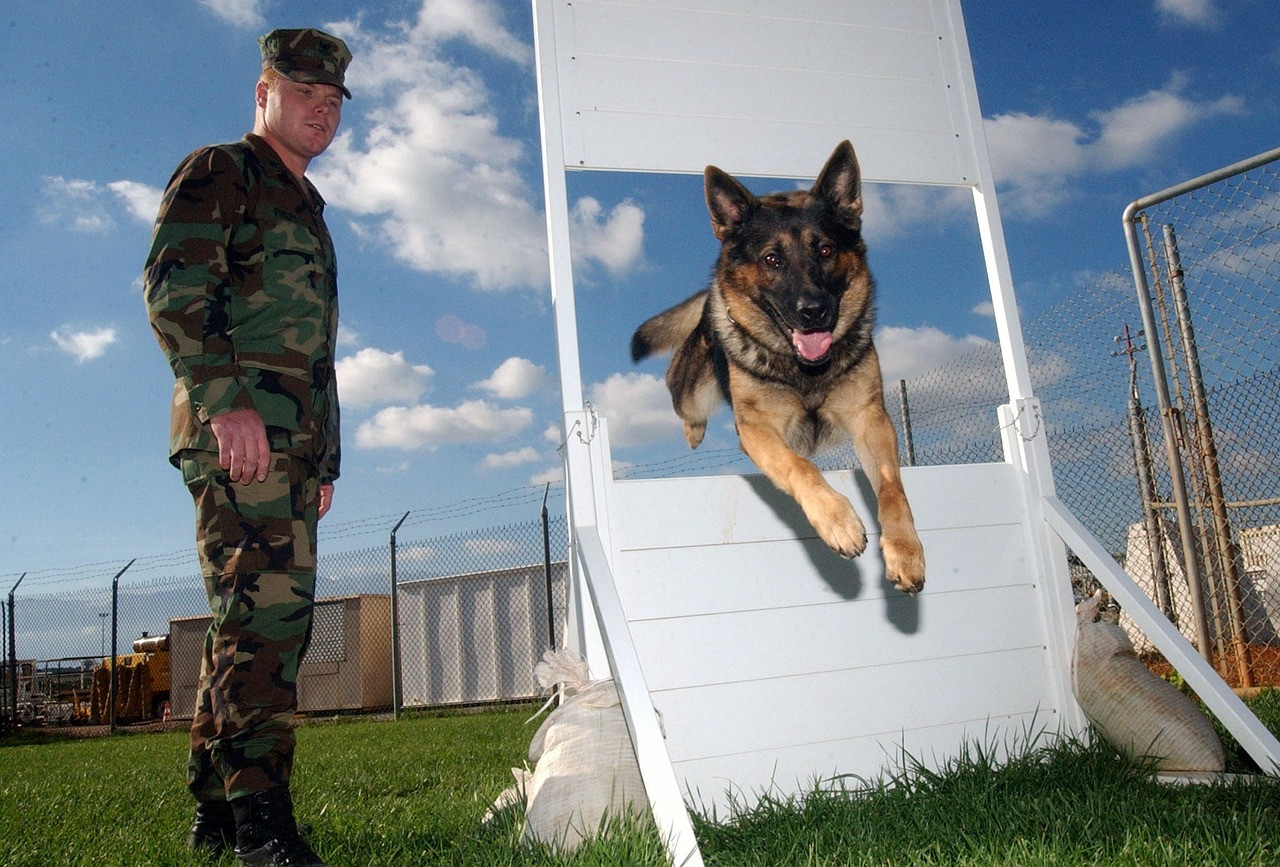
Representative image: 12019 / Pixabay
US start-up Warhound, conceived by Ben Lamm and Palmer Luckey, launched on October 22, 2026 with $200 million to breed gene-edited military working dogs.
What Happened
Warhound, a new US defence start-up that plans to breed, gene-edit and clone working dogs for the military, launched on Thursday, October 22, 2026 with a $200 million seed round. The company was conceived by Ben Lamm, chief executive of the de-extinction company Colossal Biosciences, and Palmer Luckey, co-founder of the defence technology firm Anduril. Reports put the company's valuation at $1.2 billion, and its chief executive is David Spirk, who was the US Defense Department's first chief data officer.
Key Facts
- Funding: a $200 million seed round, the first money a start-up raises, announced on October 22, 2026; Sequoia Capital was reported as the lead investor.
- Other investors named in reports: In-Q-Tel (the investment arm that backs technology for US intelligence agencies), ARK Invest, Franklin Templeton, Breyer Capital and Lux Capital.
- Valuation: about $1.2 billion, according to reports of the round.
- Leadership: David Spirk, a former Marine and the Pentagon's first chief data officer, is chief executive.
- Technology: Warhound licenses Colossal's genetics and cloning tools; the first step is editing out inherited health problems such as hip dysplasia, a painful joint condition common in large working dogs.
- The problem it targets: the company says more than 80% of the US military's working dogs come from Europe, and it wants to rebuild a domestic supply.
- Timing: the first puppies are expected in 2027, according to reports; the company has not said what its dogs will cost or whether it holds a military contract.
Why It Matters
Military working dogs detect explosives, track people and guard bases. Armies depend on a small number of breeds, such as the Belgian Malinois and German shepherd, and on a limited pool of breeders. Warhound's pitch is that this supply is fragile and largely foreign for the United States, and that modern genetics can make it larger, healthier and more predictable. Lamm has said nothing at the needed scale exists today, so the company plans to build national-scale kennels and training step by step, starting with private money. The company says an animal-welfare organisation is guiding the certification of its training programme.
For investors, the round shows how far the defence-technology boom has spread. A seed round of $200 million is unusually large; most seed rounds are a few million dollars. Backers are betting that the same team that turned Colossal into a high-profile genetics company can apply its tools to a defence need, and that Luckey's links to the defence market can help find buyers. It also continues a pattern of Colossal spinning out separate companies from its core research.
The plan also raises questions that the company has not yet answered. Cloning and gene-editing animals is debated on ethical and welfare grounds, and Lamm's comment that later work could include "enhancement" genes is likely to draw attention from animal-welfare groups and regulators. Whether any military will buy cloned dogs, and at what price, remains unknown.
For Indian readers, the story is a window on where global defence and biotech money is moving. Countries that rely on imported dogs or a narrow breeding base face the same supply question, and a US company built on genetic engineering shows one capital-heavy way of answering it.
| Detail | What was announced |
|---|---|
| Company | Warhound |
| Launch date | October 22, 2026 |
| Seed round | $200 million |
| Reported valuation | About $1.2 billion |
| Chief executive | David Spirk |
Impact
Short-term: Warhound will use the money to build kennels, staff and its breeding programme; the first gene-edited puppies are expected in 2027. Rival breeders and military buyers will watch for health and performance data.
Long-term: if the approach works, militaries and police forces may start to treat working dogs as a technology supply chain, with genetics, training and equipment sold together. If it fails or meets public resistance, it will become a test case for the limits of animal biotechnology in defence.
Who is affected: the US military and its dog handlers, European breeders who supply them, animal-welfare groups, defence-technology investors and start-ups looking at biotech for security uses.
Key Takeaway
Warhound starts with $200 million and a $1.2 billion valuation to supply gene-edited military dogs, but it has no announced customer or price yet.
Questions and Answers
What is Warhound?
Warhound is a US defence start-up, launched on October 22, 2026, that plans to use genetic engineering and cloning to breed working dogs for the military. It was conceived by Ben Lamm of Colossal Biosciences and Palmer Luckey of Anduril.
How much money did Warhound raise?
It raised $200 million in a seed round, reportedly led by Sequoia Capital with investors including In-Q-Tel, ARK Invest and Franklin Templeton, at a reported valuation of about $1.2 billion.
Why does the US military need new working dogs?
The company says more than 80% of the US military's working dogs are bought from Europe. It argues that a home-grown, healthier supply would be more reliable.
When will Warhound's first dogs be ready?
Reports say the first puppies are expected in 2027. The company has not said what the dogs will cost or whether it has a contract with the US military.
Disclaimer: Prepared by the Peepals newsroom from publicly available sources with AI assistance. Information is accurate to the best of our knowledge at the time of publication and may change. Images may be representative. Not professional advice. Report an error via our contact page.
Sourced and fact-checked by the Peepals Global Editorial Team
Japan's core inflation rises to 2.1% in September, highest this year
Nirva raises $25 million for AI pendant that hears only its wearer
Reported, fact-checked and published by the Peepals Global Editorial Team.