
Fertiliser subsidy may hit Rs 3.32 lakh crore; ICRIER backs cash transfers
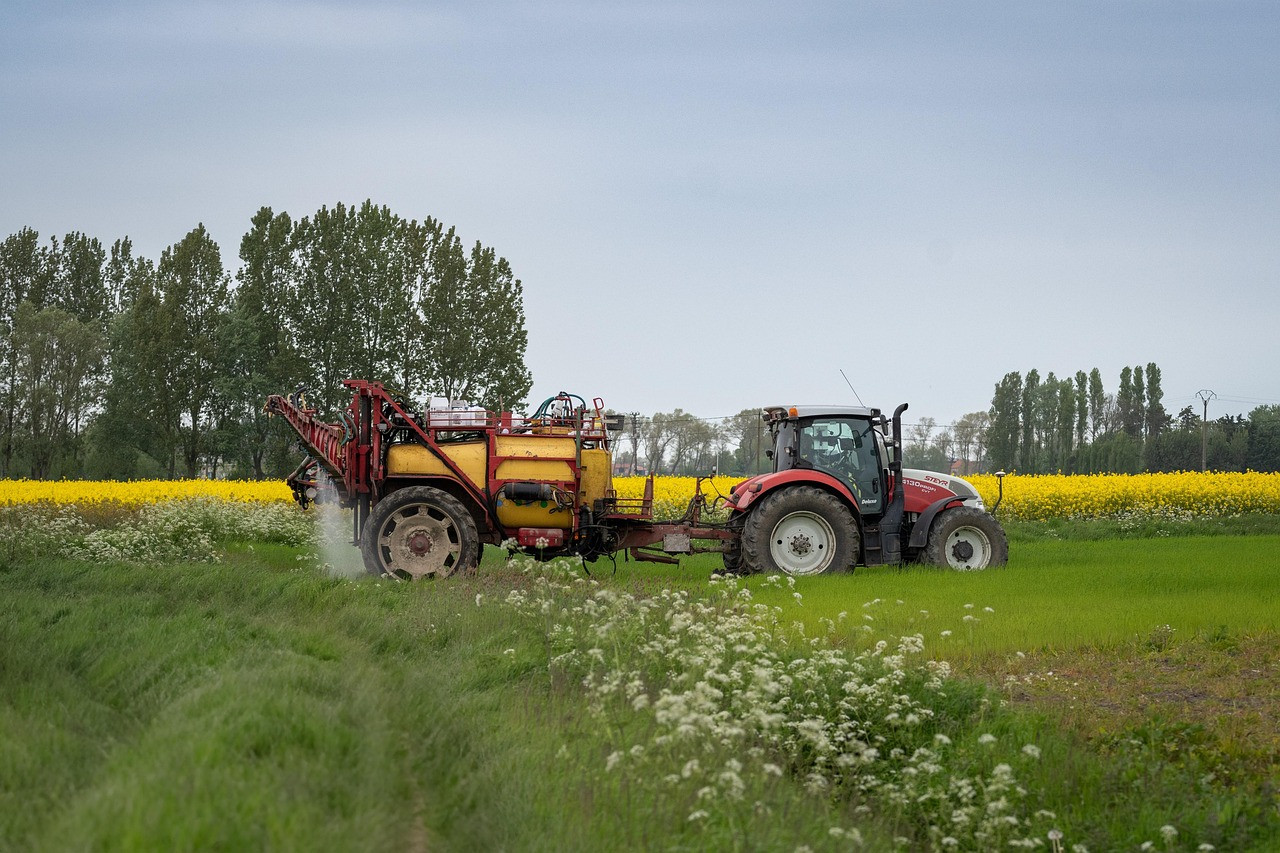
Representative image: dendoktoor / Pixabay
ICRIER briefs reported on October 22, 2026 put India's 2026-27 fertiliser subsidy at up to Rs 3.32 lakh crore and recommend direct cash transfers to farmers.
What Happened
Two new policy briefs from the Indian Council for Research on International Economic Relations (ICRIER), a New Delhi think tank, recommend paying fertiliser subsidies to farmers as direct cash transfers and urge caution in using the government's AgriStack digital farm database to ration fertiliser use, according to a report published on Thursday, October 22, 2026. The briefs, by a team including agricultural economists Ashok Gulati and Ramesh Chand, estimate India's fertiliser subsidy bill for 2026-27 at Rs 2.42 lakh crore to Rs 3.32 lakh crore, about 0.6% to 0.8% of GDP, and link the rise to disruption in the Strait of Hormuz.
Key Facts
- Source: two ICRIER policy briefs, reported on October 22, 2026.
- Authors: a team including Ashok Gulati and Ramesh Chand, according to the report.
- Main recommendation: a crop-neutral direct cash transfer to farmers in place of the current system of subsidised fertiliser prices.
- Subsidy estimate: Rs 2.42 lakh crore to Rs 3.32 lakh crore in 2026-27, roughly 0.6% to 0.8% of GDP.
- Cause cited: higher import costs linked to the Strait of Hormuz disruption.
- AgriStack: the briefs say it could provide the information base for rationing fertiliser, but several foundations must be in place first.
- Earlier ICRIER work suggested an alternative of quantity limits on sales based on farm size, crops grown and nutrient doses recommended by state agricultural universities.
Why It Matters
India keeps the price of fertilisers such as urea low for farmers and pays the difference to companies as a subsidy. When global prices jump, as they have with the conflict in West Asia and disruption to shipping through the Strait of Hormuz, the subsidy bill rises sharply. The government has said it is absorbing about Rs 2,700 on each bag of urea as global costs approach Rs 3,000 a bag. ICRIER's estimate of up to Rs 3.32 lakh crore this year shows how heavy that burden has become.
The think tank's main argument is about how the money is spent. Under the current system, the subsidy is tied to the product, and critics say low prices encourage overuse and leakage of fertiliser away from farms. Earlier ICRIER work estimated such leakages at about 20%. A direct cash transfer would give farmers money and let them buy fertiliser at market prices, which supporters say would encourage more balanced use of nutrients and cut leakages.
The briefs are more cautious about AgriStack, the digital database of farmers and their land that the government is building. Using it to decide how much fertiliser each farmer may buy could work in principle, but ICRIER says the records and systems need to be strong enough first. Errors in land or crop data could leave genuine farmers short at sowing time.
What it means for farmers: these are recommendations, not government decisions. For now, the existing subsidy system continues. But rising subsidy costs make it more likely that reforms, including some form of cash transfer or quantity limits, will be debated in the coming months.
| Point | ICRIER briefs' view |
|---|---|
| Subsidy bill 2026-27 | Rs 2.42-3.32 lakh crore (0.6-0.8% of GDP) |
| Preferred reform | Crop-neutral direct cash transfer to farmers |
| AgriStack for rationing | Possible, but only after key foundations are in place |
| Leakages under current system | About 20%, per earlier ICRIER work |
Impact
Short-term: The briefs add to the debate on fertiliser policy during the rabi sowing season, when demand peaks and supply complaints have been reported in several states.
Long-term: If the government moves towards cash transfers, farmers would receive support directly and buy fertiliser at market prices, which could change usage patterns and the fiscal cost of the subsidy.
Who is affected: Farmers, fertiliser companies and dealers, state agriculture departments, and the Union government's budget.
Key Takeaway
ICRIER's new briefs, reported on October 22, 2026, estimate India's 2026-27 fertiliser subsidy at up to Rs 3.32 lakh crore and recommend direct cash transfers to farmers, while urging caution on using AgriStack to ration fertiliser.
Questions and Answers
What did ICRIER recommend on fertiliser subsidies?
Two ICRIER policy briefs, reported on October 22, 2026, recommend replacing price subsidies with a crop-neutral direct cash transfer to farmers, and caution against relying on AgriStack to ration fertiliser until its foundations are ready.
How big is India's fertiliser subsidy this year?
The briefs estimate it at Rs 2.42 lakh crore to Rs 3.32 lakh crore for 2026-27, or about 0.6% to 0.8% of GDP, driven by higher import costs linked to the Strait of Hormuz disruption.
What is AgriStack?
AgriStack is the government's digital database of farmers, their land and crops. ICRIER says it could help ration fertiliser in future, but only after several basic requirements are met.
Will farmers get cash instead of subsidised fertiliser now?
No. These are a think tank's recommendations, not government decisions. The existing system of subsidised fertiliser prices continues for now.
Disclaimer: Prepared by the Peepals newsroom from publicly available sources with AI assistance. Information is accurate to the best of our knowledge at the time of publication and may change. Images may be representative. Not professional advice. Report an error via our contact page.
Sourced and fact-checked by the Peepals Global Editorial Team
HPCL share in focus as Q2 profit returns at Rs 3,625 crore
Japan's core inflation rises to 2.1% in September, highest this year
Reported, fact-checked and published by the Peepals Global Editorial Team.