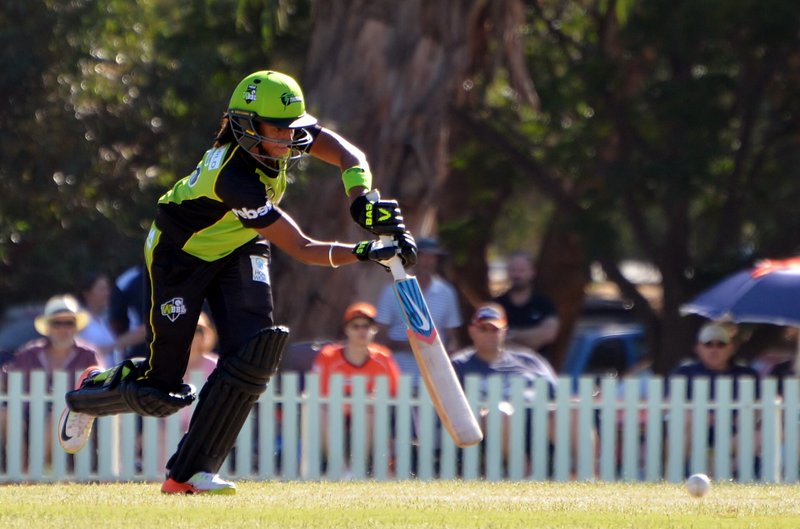

England vs Sri Lanka: Sri Lanka chase 430 despite Harry Brook's 202
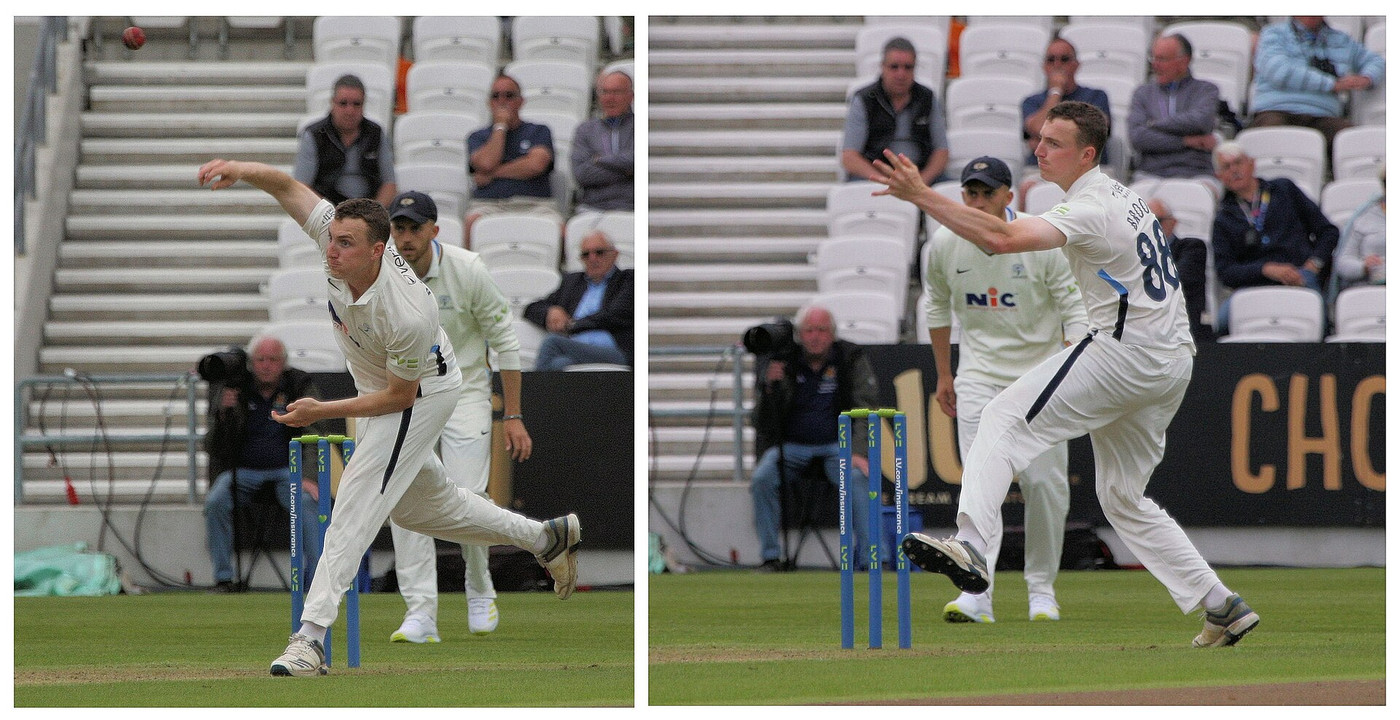
File photo: Dave Morton (Public domain), via Wikimedia Commons
Sri Lanka chased 430 to beat England by two wickets in Rawalpindi on October 22, 2026, the second-highest ODI chase ever, after Harry Brook hit 202.
What Happened
Sri Lanka beat England by two wickets with one ball to spare in the third match of the One Day International (ODI) tri-series in Rawalpindi, Pakistan, on Thursday, October 22, 2026, chasing down a target of 430. England had made 429 for four, built on a double-century of 202 from Harry Brook. Sri Lanka finished on 430 for eight when Janith Liyanage hit a six off the second-last ball, completing the second-highest successful run chase in ODI history.
Key Facts
- Venue and date: Rawalpindi, Pakistan, Thursday, October 22, 2026, the third match of the Pakistan ODI tri-series.
- England: 429 for four in 50 overs, their first 400-plus ODI total in Pakistan.
- Harry Brook: 202 off 116 balls, with 21 fours and 10 sixes.
- Sri Lanka: 430 for eight, winning by two wickets with one ball remaining.
- The finish: Janith Liyanage struck the winning six off the penultimate ball of the match.
- Chase anchors: Pavan Rathnayake led the chase, with major contributions from Avishka Fernando and Dasun Shanaka.
- Record: the International Cricket Council (ICC) describes it as the second-highest successful chase in ODI history.
- Standings: Pakistan lead with two wins from two; Sri Lanka have one win and one loss; England are bottom after two defeats.
Why It Matters
A total of 429 has almost always been enough to win a one-day match. Only once before in the history of the format has a team chased a bigger target successfully, which is why this result has drawn so much attention from cricket followers across South Asia. For England, it is a painful defeat: their batters produced one of the best innings of the season, yet the bowlers could not defend a score that should have been safe.
Brook's innings stands out on its own. A double-century in ODI cricket is rare, and scoring 202 from 116 balls, with 31 boundaries, showed how quickly he scored. By the halfway point, England looked to have taken the game away from Sri Lanka.
Sri Lanka's reply showed how much the one-day game has changed. Teams now bat with the belief that almost no target is out of reach, especially on surfaces that offer little to bowlers. Pavan Rathnayake held one end together while Avishka Fernando and Dasun Shanaka kept the scoring rate up, so the required rate never ran away from them. Liyanage's late hitting then finished the job in the last over.
The result also matters for the table. Pakistan, the hosts, are unbeaten after two matches, while England have lost both of theirs and now face pressure to win their remaining games to reach the later stages. Sri Lanka have kept their own hopes alive with a win that will lift a young side's confidence.
For Indian fans, who will be watching their own team on tour in New Zealand, the match is a sign of where one-day scoring is heading. Huge totals are no longer unusual, and bowling units, including India's, will need plans for flat pitches where 400 may no longer be a winning score.
| Team | Score | Result |
|---|---|---|
| England | 429 for 4 (50 overs) | Lost by two wickets |
| Sri Lanka | 430 for 8 (49.5 overs) | Won by two wickets |
Impact
Short-term: England must regroup quickly in the tri-series after two defeats, with questions over their bowling. Sri Lanka gain momentum and confidence, while Pakistan remain favourites at the top of the table.
Long-term: The match adds to evidence that ODI scoring is rising fast. Teams may pick more attacking batters and rethink bowling plans for flat pitches, and boards may face renewed debate about the balance between bat and ball in the format.
Who is affected: The England and Sri Lanka squads and their selectors, tri-series hosts Pakistan, broadcasters and fans of the series, and bowlers in all teams who now face higher scoring expectations in ODI cricket.
Key Takeaway
Sri Lanka chased 430 to beat England by two wickets in Rawalpindi on October 22, 2026, the second-highest successful chase in ODI history, despite Harry Brook's 202.
Questions and Answers
Who won the England vs Sri Lanka ODI on October 22, 2026?
Sri Lanka won by two wickets with one ball left. Chasing England's 429 for four in the third match of the tri-series in Rawalpindi, they reached 430 for eight when Janith Liyanage hit a six off the second-last ball.
How many runs did Harry Brook score?
Harry Brook scored 202 off 116 balls, hitting 21 fours and 10 sixes. His double-century helped England reach 429 for four, their first total above 400 in an ODI in Pakistan.
Is this the highest chase in ODI history?
No. The ICC describes Sri Lanka's chase of 430 as the second-highest successful run chase in ODI history. Only one bigger target has ever been chased down in the format.
Where do the teams stand in the tri-series?
After the match, Pakistan lead the table with two wins from two games. Sri Lanka have one win and one defeat, and England are bottom after losing both of their matches.
Disclaimer: Prepared by the Peepals newsroom from publicly available sources with AI assistance. Information is accurate to the best of our knowledge at the time of publication and may change. Images may be representative. Not professional advice. Report an error via our contact page.
Sourced and fact-checked by the Peepals Global Editorial Team
Yann LeCun, Mistral's Mensch back Zurich robotics start-up Enact's $30 million round
Netanyahu invites Modi to light Israel torch with hero pilot Smit Machchhar
Reported, fact-checked and published by the Peepals Global Editorial Team.