
Yann LeCun, Mistral's Mensch back Zurich robotics start-up Enact's $30 million round
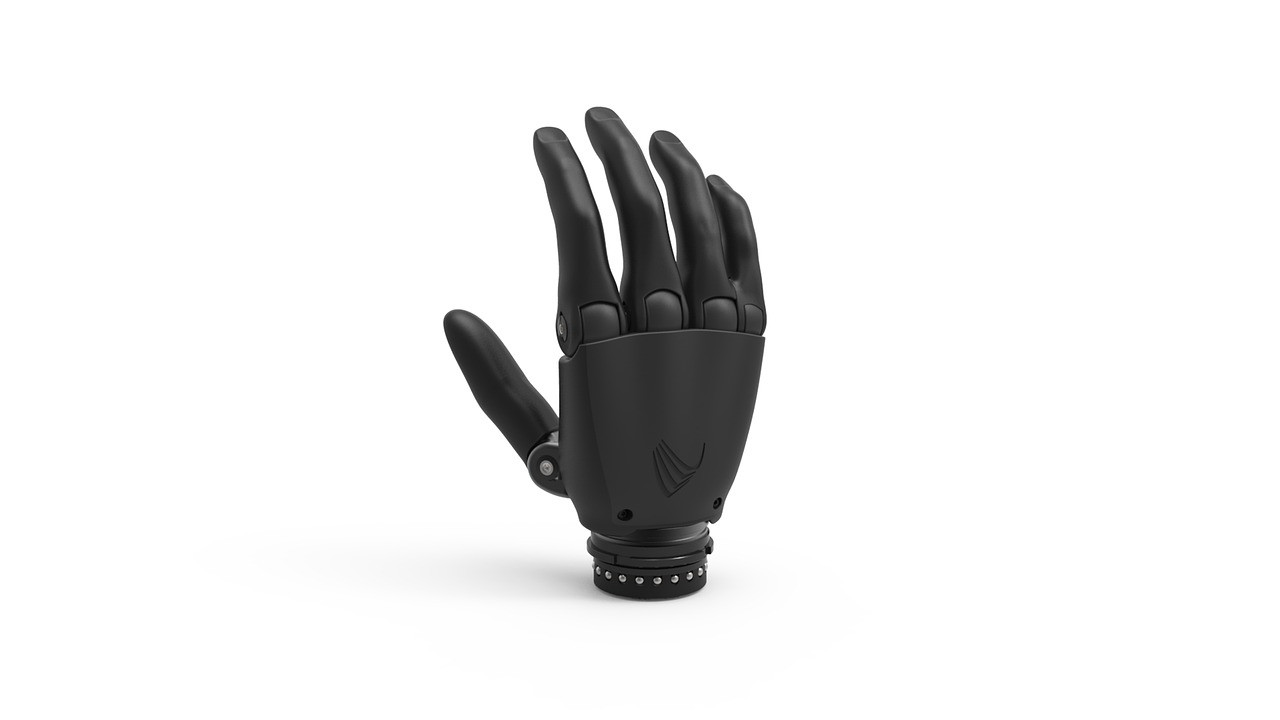
Representative image: stepintofuture / Pixabay
Zurich robotics start-up Enact Intelligence emerged on October 22, 2026 with a $30 million pre-seed round backed by Yann LeCun and Mistral AI's Arthur Mensch.
What Happened
Enact Intelligence, a Zurich robotics start-up building robots that can sense touch, came out of stealth on Thursday, October 22, 2026, with a pre-seed funding round of about $30 million (€26.68 million). The round was led by the venture firms Redalpine, Notion Capital and Firstminute Capital. Two of the best-known names in European artificial intelligence joined as individual investors: Yann LeCun, the former chief AI scientist at Meta, and Arthur Mensch, co-founder and chief executive of the French AI company Mistral AI. The company describes the round as the largest pre-seed financing in Swiss history.
Key Facts
- Enact Intelligence raised about $30 million (€26.68 million) in a pre-seed round announced on October 22, 2026.
- Redalpine, Notion Capital and Firstminute Capital led the round.
- Angel investors include Yann LeCun, Mistral AI chief executive Arthur Mensch and Path Robotics founder Andrew Lonsberry.
- The company was founded in March 2026 by Manuel Yves Galliker, who previously led the software team for the NEO humanoid robot at the robotics company 1X.
- Enact is building robots with a sense of touch and plans to develop its whole system itself: AI models, data pipeline, motors and sensors.
- It has not disclosed its valuation.
Why It Matters
A pre-seed round is normally the very first money a company raises, often a few hundred thousand dollars or a couple of million, used to build a first prototype. Raising $30 million at that stage, seven months after founding and before any product is public, is highly unusual. It reflects how intensely investors are now competing for teams in "physical AI", the effort to give robots the kind of general learning ability that large language models brought to text. The bet is that robots able to learn tasks, rather than being programmed step by step for each one, could transform factories, warehouses, hospitals and eventually homes.
Enact's chosen problem is touch. Most of the progress in robot AI so far has come from vision: cameras plus models that interpret what the robot sees. But many everyday tasks, such as picking up an egg, threading a cable or folding cloth, depend on feeling how hard you are gripping and whether something is slipping. Humans do this without thinking; robots still struggle. Enact says it will build its own sensors and actuators, the motors that move a robot's joints, alongside its AI models, so that the hardware and software are designed together. The company also says it adapts existing AI models, including video models, to produce robot movements, which can reduce the amount of costly real-world training data it needs.
The backers matter as much as the money. LeCun, who left Meta and now runs his own AI research venture, and Mensch, who leads Mistral AI, are among the most closely watched figures in European AI. Their support signals that Europe's AI establishment sees robotics as the next major frontier, and it helps Switzerland compete with the United States and China, where most humanoid and robot-AI companies are based.
For readers in India, the story shows where global start-up money is heading. Robotics and physical AI are drawing some of the largest early-stage cheques in the world, and Indian engineers and founders working in robotics, sensors and embedded systems are well placed to join or build such teams, whether in India or abroad.
| Detail | Enact Intelligence |
|---|---|
| Headquarters | Zurich, Switzerland |
| Founded | March 2026 |
| Pre-seed round | About $30 million (€26.68 million) |
| Lead investors | Redalpine, Notion Capital, Firstminute Capital |
| Focus | Robots with a sense of touch |
Impact
Short-term: Enact will use the money to hire engineers and build its first touch-sensing robot systems. The size of the round is likely to raise expectations, and prices, for other early-stage robotics start-ups in Europe.
Long-term: If robots can reliably handle delicate objects by touch, many tasks that are still done by hand in manufacturing, logistics and care work could be automated. Whether a young company can deliver on that promise, against heavily funded rivals in the US and China, remains to be seen.
Who is affected: Robotics researchers and engineers, including those in India; manufacturers and logistics firms looking at automation; European start-up investors; and competing robotics companies.
Key Takeaway
Enact Intelligence's $30 million pre-seed round, backed by Yann LeCun and Mistral's Arthur Mensch, shows how much investors are willing to stake on robots that learn to handle the physical world by touch.
Questions and Answers
How much did Enact Intelligence raise?
Enact Intelligence raised about $30 million (€26.68 million) in a pre-seed round announced on October 22, 2026, led by Redalpine, Notion Capital and Firstminute Capital. The company calls it the largest pre-seed round in Swiss history.
Who invested in Enact Intelligence?
Besides the lead firms, individual investors include Yann LeCun, former chief AI scientist at Meta; Arthur Mensch, chief executive of Mistral AI; and Andrew Lonsberry, founder of Path Robotics.
What is Enact Intelligence building?
It is building robots with a sense of touch, developing its own AI models, data pipeline, motors and sensors together so robots can handle objects more like people do.
Who founded Enact Intelligence?
Manuel Yves Galliker founded the company in Zurich in March 2026. He previously led the software team for the NEO humanoid robot at 1X.
Disclaimer: Prepared by the Peepals newsroom from publicly available sources with AI assistance. Information is accurate to the best of our knowledge at the time of publication and may change. Images may be representative. Not professional advice. Report an error via our contact page.
Sourced and fact-checked by the Peepals Global Editorial Team
Reported, fact-checked and published by the Peepals Global Editorial Team.