
Kelly Clarkson's row with Brooklyn shop Art of Play over a $15,000 singing bird
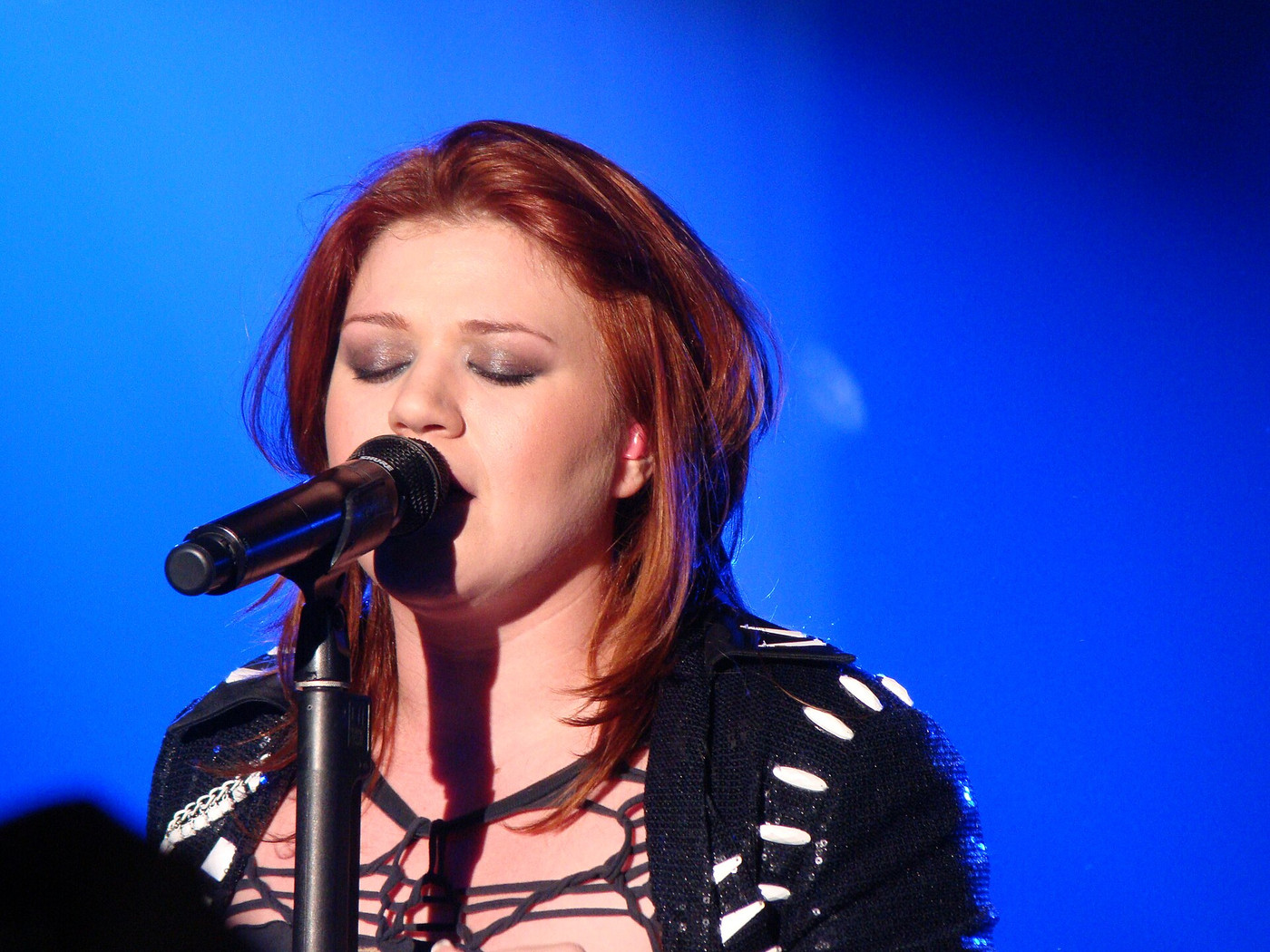
File photo: vagueonthehow from Tadcaster, York, England (CC BY 2.0), via Wikimedia Commons
Kelly Clarkson says a Brooklyn shop snubbed her on a visit she posted about on Oct 10, 2026; Art of Play says the singing bird she wanted was never for sale.
What Happened
Singer and talk-show host Kelly Clarkson is locked in a public dispute with Art of Play, an independent curiosity and novelty shop in Brooklyn, New York, after a visit that she says left her feeling judged. On Saturday, October 10, 2026, Clarkson posted on X that a staff member had looked at her as if she could not afford an item she asked about, a mechanical singing bird, and steered her towards cheaper alternatives. The shop replied that the bird was a fixture that was never for sale. Clarkson then accused the store of not telling the truth, and by Monday, October 12, the shop had issued a second statement saying it had contacted her directly to clear the air.
Key Facts
- The dispute began with Clarkson's post on X on October 10, 2026, describing her visit to Art of Play in Brooklyn.
- The item was a singing bird automaton the store calls Molly, which it says is fixed to the wall and not for sale.
- The store says a nearly identical automaton belongs to the machines' maker, Seattle-based artist Bliss Kolb.
- According to the shop, staff offered Clarkson a different singing bird made by a traditional German clockmaker, priced at $2,000, which she could have taken home that day.
- Clarkson responded by posting a photo of a $15,000 price tag and called the store rude and untruthful; the shop says that figure referred to the artist's own piece.
- In a follow-up statement the store called the episode a misunderstanding and said it had reached out to Clarkson; online reaction is split and the shop has raised concerns about review bombing.
Why It Matters
On the surface this is a small row about a shop visit. It drew wide attention because many people saw in it a familiar story: a shopper who feels sized up by staff in an upmarket store. Several commentators compared Clarkson's post to the famous shopping scene in the 1990 film Pretty Woman, in which a customer is snubbed and later returns to make a point. That framing helped the story travel far beyond music and celebrity news.
The two sides tell different stories about the same few minutes. Clarkson's account is about tone and treatment: she says she was made to feel unwelcome. The shop's account is about the object: it says the bird simply was not for sale, that it pointed her to a similar one held by the artist, and that it offered another piece she could buy on the spot. Neither side has published anything that settles exactly what was said in the store, and readers should treat both accounts as claims.
For retailers, the episode is a lesson in how fast a single social media post from a famous customer can turn into a reputational problem. Business writers have used it to discuss how small shops should train staff to handle questions about items on display, and how they should respond in public when a complaint goes viral. The store's own worry about a wave of hostile online reviews shows the risk for a small business when it is drawn into a celebrity's audience.
| Side | What they say |
|---|---|
| Kelly Clarkson | Staff treated her as if she could not afford the bird and pushed cheaper options |
| Art of Play | The bird, Molly, is a wall fixture and was never for sale |
| Art of Play | A near-identical piece is owned by artist Bliss Kolb in Seattle |
| Art of Play | Offered a $2,000 German-made singing bird instead |
Impact
Short-term: The shop faces a flood of attention, both supportive and hostile, including concern about fake or angry reviews, while Clarkson's post keeps the story running in entertainment and social media coverage.
Long-term: If the two sides make peace, as the store says it hopes, the row will fade quickly; if not, it may become a lasting example used in debates about celebrity influence over small businesses and about how customers are treated in high-end shops.
Who is affected: Art of Play and its staff, Clarkson and her public image, small independent retailers who rely on online reviews, and shoppers who have felt judged in expensive stores.
Key Takeaway
Kelly Clarkson's October 10, 2026, complaint about a Brooklyn shop has turned into a public back-and-forth over whether she was snubbed or simply asked for a piece that was never for sale.
Questions and Answers
What is the Kelly Clarkson store dispute about?
Clarkson says staff at Art of Play, a Brooklyn novelty shop, treated her as if she could not afford a mechanical singing bird she asked about on her visit, and offered cheaper items. The shop says that bird was never for sale.
What does the store say happened?
Art of Play says the bird, called Molly, is fixed to its wall, that a near-identical one belongs to its maker, Seattle artist Bliss Kolb, and that staff offered her a $2,000 German-made singing bird she could take home that day.
Where does the $15,000 figure come from?
Clarkson posted a photo of a $15,000 price tag to back her account. The store says that price related to the artist's own automaton, not to an item it had on sale.
Has the dispute been resolved?
Not publicly. In a follow-up statement around October 12, 2026, the shop said it had reached out to Clarkson directly and hoped everyone could one day laugh about the misunderstanding. No reply from her had been reported.
Disclaimer: Prepared by the Peepals newsroom from publicly available sources with AI assistance. Information is accurate to the best of our knowledge at the time of publication and may change. Images may be representative. Not professional advice. Report an error via our contact page.
Sourced and fact-checked by the Peepals Global Editorial Team
India rejects China's objection to naming 28 Ladakh places: 'integral, inalienable'
Lucian Piane, composer behind Drag Race's songs and Rusicals, dies at 46
Reported, fact-checked and published by the Peepals Global Editorial Team.