
India rejects China's objection to naming 28 Ladakh places: 'integral, inalienable'
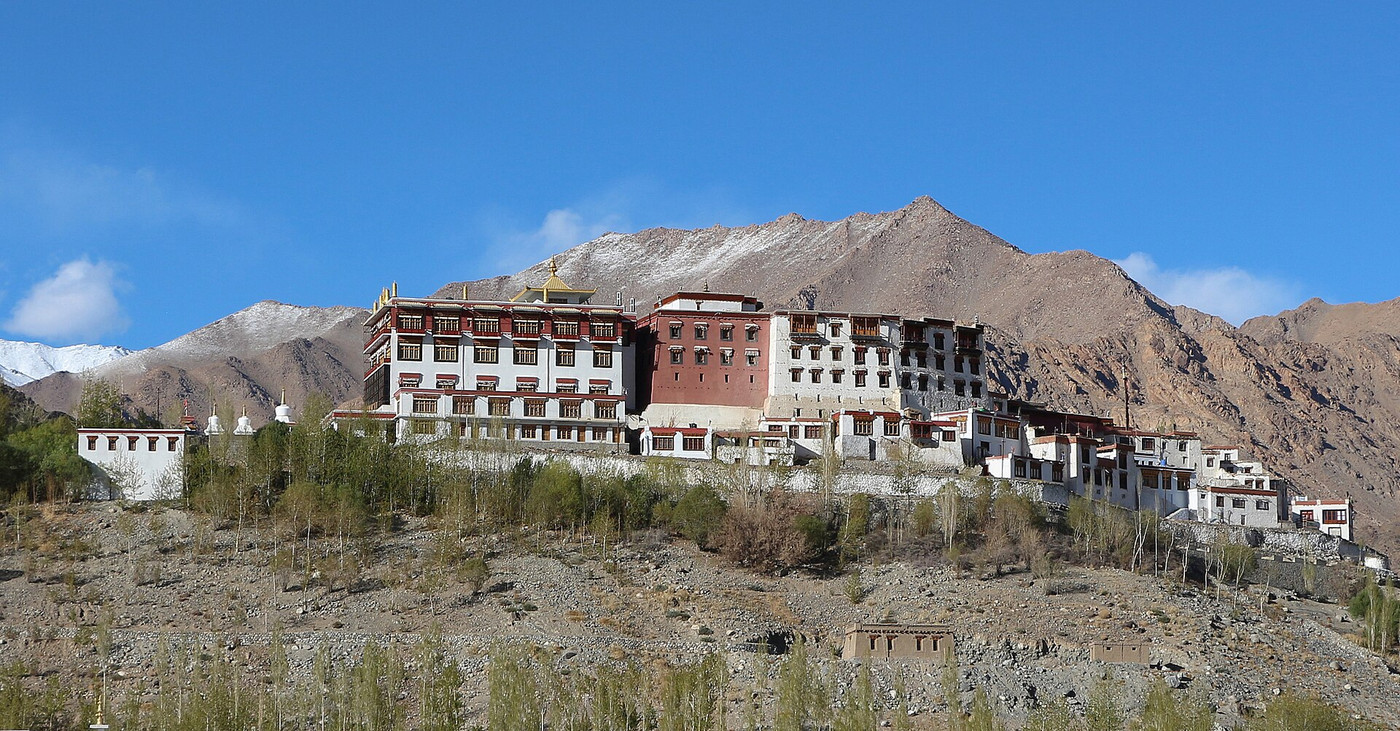
File photo: Bernard Gagnon Canon EOS REBEL T4i (CC BY-SA 4.0), via Wikimedia Commons
India's MEA said on 13 October 2026 that Ladakh is an integral and inalienable part of India after China called the naming of 28 places there illegal.
What Happened
India on Tuesday, 13 October 2026 rejected China's objection to the standard naming of 28 places in Ladakh, with the Ministry of External Affairs (MEA) saying the Union Territory is part of India and that Beijing's position cannot change that. "UT of Ladakh is an integral and inalienable part of India. No amount of denial by the Chinese side can change this established fact," MEA spokesperson Randhir Jaiswal said in a statement. China's foreign ministry had earlier said Beijing "never recognised" the Union Territory of Ladakh and called India's naming exercise "illegal, null and void". The exchange follows an announcement by India's Home Ministry on 2 October that 28 locations in Ladakh had been given standard names on the official Survey of India map.
Key Facts
- 2 October 2026: the Union Home Ministry said 28 locations in Ladakh had been identified with standard place and feature names on the official Survey of India map.
- The Home Ministry said the names were fixed in consultation with the Ladakh administration and local stakeholders, to help accurate identification and public awareness.
- China's foreign ministry spokesperson Mao Ning said Beijing has never recognised the Union Territory of Ladakh and called the naming "illegal, null and void".
- 13 October 2026: MEA spokesperson Randhir Jaiswal said Ladakh is an integral and inalienable part of India and that Chinese denial cannot change this fact.
- Jaiswal said the Home Ministry's announcement was self-explanatory.
- India has repeatedly stated that Jammu and Kashmir and Ladakh are integral parts of the country, including in MEA statements in earlier years.
Why It Matters
Place names are a quiet but important tool in border disputes. Official maps and names are used to assert administration over territory, and both India and China have used them. By standardising names for 28 locations on the Survey of India map, India is reinforcing on paper what it already holds on the ground: civilian administration of Ladakh through the Union Territory government. China's objection, and its statement that it does not recognise the Union Territory itself shows that Beijing still contests India's administrative arrangements in the region.
The sharp language on both sides shows that neither country has shifted its basic position on the boundary. Exchanges like this one are a reminder that border questions between the two neighbours remain unresolved and can flare up in words even when no change on the ground is reported.
For India's strategic planning, the episode matters because it signals that New Delhi is prepared to formalise its claims through administrative steps, and to answer Chinese objections quickly and firmly. Such steps keep the dispute visible. Observers will watch whether either side takes further steps, such as new maps or names in other sectors, or whether the matter stays a war of words.
| | Date | Step | |
|---|---|
| | 2 October 2026 | Home Ministry announces standard names for 28 Ladakh locations | |
| | Before 13 October | China calls the naming "illegal, null and void" | |
| | 13 October 2026 | MEA says Ladakh is an integral and inalienable part of India | |
Impact
Short-term: The exchange adds diplomatic friction to India-China ties, though no change on the ground has been reported.
Long-term: Standard names on official Indian maps strengthen India's administrative record in Ladakh, and China's rejection keeps the boundary question firmly on the diplomatic agenda.
Who is affected: Residents and the administration of Ladakh, India's and China's foreign ministries and armed forces, and businesses and travellers who rely on official maps of the region.
Key Takeaway
On 13 October 2026, India's MEA said Ladakh is "an integral and inalienable part of India" after China called New Delhi's standard naming of 28 places in the region "illegal, null and void".
Questions and Answers
What did India say about Ladakh on 13 October 2026?
MEA spokesperson Randhir Jaiswal said Ladakh is an integral and inalienable part of India and that no amount of Chinese denial can change this established fact.
Why did China object?
China's foreign ministry said it has never recognised the Union Territory of Ladakh and called India's naming of 28 places there illegal, null and void.
What naming exercise is this about?
On 2 October 2026 India's Home Ministry said 28 locations in Ladakh had been given standard place and feature names on the official Survey of India map, in consultation with the Ladakh administration and local stakeholders.
Does this change anything on the ground?
No change on the ground has been reported. The dispute is over official names and recognition, but it shows the boundary question remains unresolved.
Disclaimer: Prepared by the Peepals newsroom from publicly available sources with AI assistance. Information is accurate to the best of our knowledge at the time of publication and may change. Images may be representative. Not professional advice. Report an error via our contact page.
Sourced and fact-checked by the Peepals Global Editorial Team
Infantino got undisclosed $1.72M from World Cup company, filings show; FIFA denies breach
Kelly Clarkson's row with Brooklyn shop Art of Play over a $15,000 singing bird
Reported, fact-checked and published by the Peepals Global Editorial Team.