

Mecka raises $60 million led by Sequoia to sell human motion data for robots
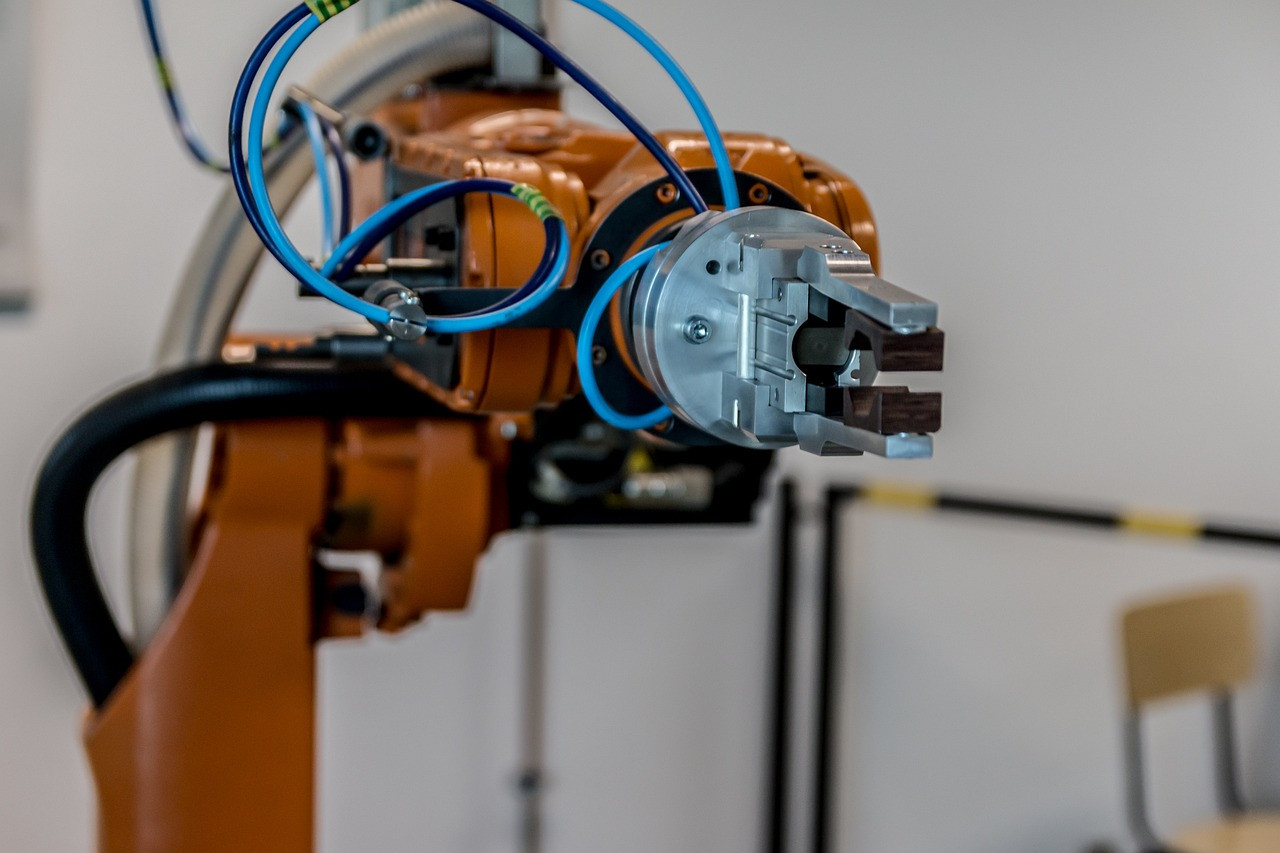
Representative image: jarmoluk / Pixabay
Robot training-data start-up Mecka said on October 7, 2026 it raised a $60 million Series B led by Sequoia Capital, with NVIDIA and Samsung joining.
What Happened
Mecka, a start-up based in Toronto and New York that collects data on how people move so that humanoid robots can learn from it, announced on Wednesday, October 7, 2026 that it has raised $60 million in a Series B round led by Sequoia Capital. New backers in the round include NVIDIA, Microsoft's venture fund M12, Qualcomm Ventures and Samsung. Earlier investors Kindred, Framework Ventures and Neo also took part. The company says it will use the money to make more data-capture hardware, expand its research and increase the number of robots it deploys.
Key Facts
- Round size: $60 million, Series B, led by Sequoia Capital.
- New institutional investors: NVIDIA, M12, Qualcomm Ventures and Samsung.
- Individual investors include DoorDash chief executive Tony Xu, former ServiceNow and Snowflake chief executive Frank Slootman and Milan Kovac, who previously led Tesla's Optimus humanoid robot programme.
- Mecka does not build robots. It pays people to perform ordinary tasks, such as making coffee or repairing cars, while wearing body sensors, and sells the recorded demonstrations to robot developers.
- The company says its annual run-rate revenue passed $100 million in June 2026 and that it is aiming for a $300 million run rate by the end of the year.
- Mecka did not disclose a valuation in its announcement.
Why It Matters
Humanoid robots have a data problem. Large language models learned from the enormous amount of text already on the internet, but there is no equivalent library showing a robot exactly how a human hand grips a cup, turns a spanner or folds a shirt. Robot makers either collect that data slowly themselves or buy it. Mecka is betting that a business selling this raw material can grow faster than the robot makers it supplies.
The investor list shows who thinks that bet is sound. NVIDIA, Qualcomm and Samsung all make chips or devices that would sit inside future robots, so better training data supports their own markets. Sequoia leading the round adds a top-tier venture name to a category that many investors still treat as early and speculative. The presence of a former head of Tesla's humanoid programme among the angel investors signals interest from people who have built robots themselves.
The revenue claim is the part to watch. A run rate above $100 million is large for a company at the Series B stage, and the target of tripling it within roughly six months is ambitious. These are the company's own figures, and some analysts have questioned whether the year-end goal is reachable. Readers should treat them as targets, not results.
There is also a labour angle. Mecka's model turns everyday physical skill into paid data work. That could create a new kind of flexible job, but it also raises questions about pay, consent and how the recordings are used once robots are trained on them.
| Item | Detail |
|---|---|
| Company | Mecka (Toronto and New York) |
| Round | $60 million Series B |
| Lead investor | Sequoia Capital |
| New backers | NVIDIA, M12, Qualcomm Ventures, Samsung |
| Business | Sells human demonstration data to humanoid robot developers |
Impact
Short-term: Mecka can build more sensor kits, sign up more people to record tasks and supply larger datasets to robot companies. Competing data suppliers will face pressure to raise money or find a niche.
Long-term: If reliable human motion data becomes a traded commodity, robot makers could train machines faster and more cheaply, bringing general-purpose humanoids closer to factories, warehouses and homes. If demand falls short, the company's high revenue targets will be tested.
Who is affected: Humanoid robot developers, chip and device makers, gig workers who could be paid to record tasks, and investors weighing how much to commit to robotics infrastructure. Indian robotics and data-labelling firms, which already supply AI training data to global clients, may see a new line of demand for physical-task data.
Key Takeaway
Mecka's Sequoia-led $60 million round shows that investors see training data, not only the robots themselves, as a large business in the humanoid race.
Questions and Answers
What does Mecka actually do?
Mecka pays people to carry out everyday tasks while wearing body sensors, records how they move, and sells that demonstration data to companies training humanoid robots. It does not make robots itself.
Who invested in Mecka's Series B?
Sequoia Capital led the $60 million round announced on October 7, 2026. NVIDIA, M12, Qualcomm Ventures and Samsung joined as new investors, alongside existing backers Kindred, Framework Ventures and Neo, and individuals including Tony Xu, Frank Slootman and Milan Kovac.
How much revenue does Mecka make?
The company says its annual run-rate revenue passed $100 million in June 2026 and it targets $300 million by year-end. These are company figures and have been questioned by some analysts.
Why do humanoid robots need this kind of data?
Unlike text for chatbots, there is little ready-made data showing how humans perform physical tasks, so robot developers need recorded demonstrations to teach machines to grip, lift and handle objects.
Disclaimer: Prepared by the Peepals newsroom from publicly available sources with AI assistance. Information is accurate to the best of our knowledge at the time of publication and may change. Images may be representative. Not professional advice. Report an error via our contact page.
Sourced and fact-checked by the Peepals Global Editorial Team
US, Ukraine, Europe Miami talks end a day early with no deal as diesel row flares
Ben Affleck's Netflix thriller Animals lands with 36% critics' score
Reported, fact-checked and published by the Peepals Global Editorial Team.