

US start-up Reflect Orbital books two launches on India's Skyroot Vikram rockets
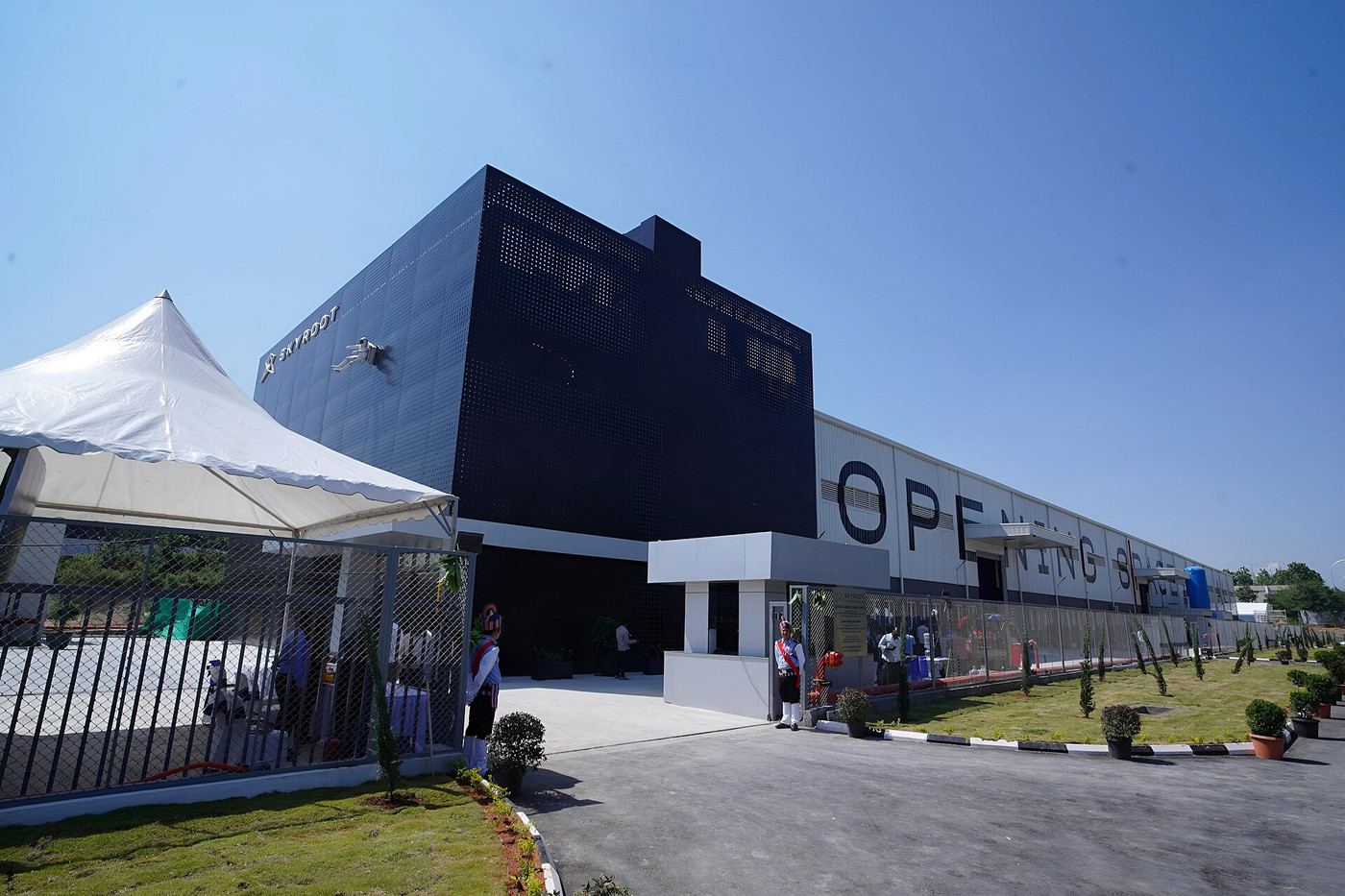
File photo: Anmollshrma (CC0), via Wikimedia Commons
California's Reflect Orbital bought two dedicated launches from India's Skyroot Aerospace, announced October 14, 2026, on Vikram-1 and Vikram-1U.
What Happened
Reflect Orbital, a California space start-up, has bought two dedicated launches from Hyderabad-based Skyroot Aerospace to put its future spacecraft into orbit. Reflect Orbital announced the deal on October 14, 2026. The first mission will fly on Skyroot's Vikram-1 rocket and the second on the Vikram-1U, an upgraded version still in development. Launch dates and the financial terms of the contract have not been made public. Reflect Orbital is developing satellites carrying mirrors designed to redirect sunlight to chosen spots on Earth after dark.
Key Facts
- Buyer: Reflect Orbital, based in California, United States.
- Seller: Skyroot Aerospace, a private Indian rocket maker based in Hyderabad.
- Deal: two dedicated launches, the first on Vikram-1 and the second on Vikram-1U; announced October 14, 2026.
- Vikram-1 reached orbit on its maiden flight in July 2026, becoming India's first privately developed rocket to do so; its stated payload capacity is about 350 kg to low Earth orbit.
- Vikram-1U adds extra first-stage boosters for better performance and is still in development.
- Reflect Orbital chief executive Ben Nowack said there is a real shortage of launch capacity and that the company wants a new provider to secure access to space; Skyroot chief executive Pawan Kumar Chandana said the deal offers schedule certainty and flexibility across the two missions.
- Launch dates and the value of the contract were not disclosed.
Why It Matters
For India's young private space industry, this is an important kind of order. Start-ups like Skyroot need paying customers from abroad to prove that their rockets are commercially viable, not just technically successful. A dedicated launch means the whole rocket is booked for one customer's mission, rather than a small satellite riding alongside others. That a US company chose an Indian private launcher for two such missions, only months after Vikram-1's first orbital flight, is a vote of confidence in the vehicle and its team.
The deal also reflects a wider market problem that Reflect Orbital's chief executive pointed to directly: a shortage of launch capacity for companies that need to get satellites into orbit on their own schedule. For small launch providers in India, that gap is an opening, because a dedicated rocket lets a customer choose its timing rather than wait for space on someone else's flight.
Reflect Orbital's own plan is unusual. It wants to place mirrors in orbit that reflect sunlight onto specific areas of the ground at night. The company has described possible uses such as lighting for search-and-rescue work and helping solar farms keep generating power beyond sunset. Reports describe a lit area of about five kilometres across, with adjustable brightness. The idea has not yet been demonstrated at scale, and the satellites for these two missions have not been publicly identified.
For Indian founders, the story is a reminder that the global start-up economy works in both directions. Indian start-ups are not only raising money from foreign investors; some, like Skyroot, are now selling advanced technology services to foreign start-ups.
| Item | Detail |
|---|---|
| Customer | Reflect Orbital (California, US) |
| Launch provider | Skyroot Aerospace (Hyderabad, India) |
| Rockets | Vikram-1, then Vikram-1U |
| Announced | October 14, 2026 |
| Dates and price | Not disclosed |
Impact
Short-term: Skyroot gains a foreign order and a US reference customer, which may help it win more international contracts and investor interest.
Long-term: If the missions fly successfully, India could become a regular choice for small dedicated launches, creating jobs and supplier work in the country's space sector. Reflect Orbital's mirror satellites, if they work, would also test a new kind of space service.
Who is affected: Skyroot Aerospace and its suppliers, India's private space start-ups, small-satellite companies looking for launch slots, and Reflect Orbital's future customers.
Key Takeaway
US start-up Reflect Orbital has booked two dedicated launches on Skyroot's Vikram rockets, a significant foreign order for India's first privately built orbital launcher.
Questions and Answers
What is the Reflect Orbital and Skyroot deal?
Reflect Orbital, a California start-up, announced on October 14, 2026 that it bought two dedicated launches from India's Skyroot Aerospace, the first on Vikram-1 and the second on Vikram-1U.
What does Reflect Orbital want to launch?
It is developing satellites with mirrors that redirect sunlight to selected places on Earth after dark, for uses such as search-and-rescue lighting and extending solar power generation.
Has Skyroot's Vikram-1 reached orbit?
Yes. Vikram-1 reached orbit on its maiden flight in July 2026, the first time a privately developed Indian rocket did so.
When will the launches happen and what is the deal worth?
Neither the launch dates nor the financial terms have been made public. Vikram-1U, which will fly the second mission, is still in development.
Disclaimer: Prepared by the Peepals newsroom from publicly available sources with AI assistance. Information is accurate to the best of our knowledge at the time of publication and may change. Images may be representative. Not professional advice. Report an error via our contact page.
Sourced and fact-checked by the Peepals Global Editorial Team
Reported, fact-checked and published by the Peepals Global Editorial Team.