
Trump rules out Iran strike before US midterms; what it means for India's oil security
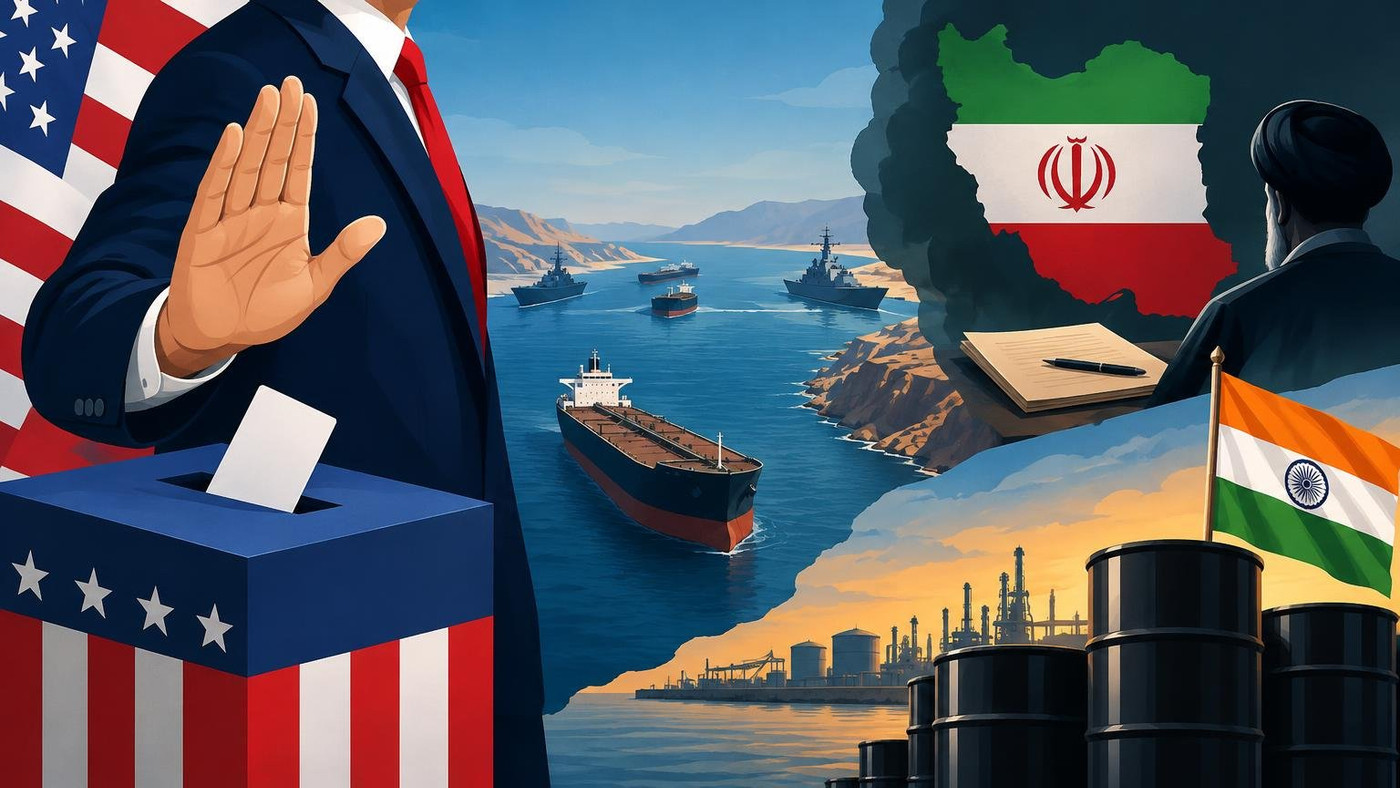
AI-generated illustration
Advertisement
Trump said on Oct 8, 2026 the US will not attack Iran before the Nov 3 midterms but kept the blockade; Iran is reviewing the US reply to its Hormuz plan.
What Happened
US President Donald Trump said on Thursday, October 8, 2026, that the United States will not attack Iran before the US mid-term elections on November 3. In a post on his Truth Social platform, he linked the pause to what he called productive discussions with Tehran, but said the US naval blockade of Iranian ports would stay in place. The statement came after reports earlier in the week that the White House had asked the Pentagon for strike options before the election. Iran's foreign minister, Abbas Araghchi, said Tehran is reviewing Washington's response to its seven-day plan to reopen the Strait of Hormuz, with messages passing through mediators. Oil prices eased after Trump's remarks, which helped Indian shares rebound on October 9.
Key Facts
- Trump said on October 8, 2026 that the US would not strike Iran before the November 3 mid-term elections.
- He said the US blockade of Iranian ports would remain in force.
- The pledge followed reports that the White House had sought military strike options against Iran ahead of the polls.
- Iran has proposed, through Qatari mediators, a seven-day plan to reopen the Strait of Hormuz if its conditions are met; Trump publicly rejected an earlier version in late September.
- Araghchi said Iran is now reviewing the US reply to the plan and that exchanges continue through mediators.
- Iran's reported conditions include an end to hostilities, release of frozen assets, lifting of curbs on its oil exports and an end to the US naval blockade.
- Crude prices fell after the statement, and Indian stock indices rose more than 1% on October 9, helped by easing oil.
Why It Matters
For India, the US-Iran conflict is not a distant war. The Strait of Hormuz is the main sea route for oil and gas from the Gulf, and India buys a large share of its crude and cooking gas from that region. When the strait is shut or at risk, shipping costs and insurance rise, crude prices climb, and the rupee and India's import bill come under pressure. That feeds into fuel prices, inflation and, eventually, interest rates. The Reserve Bank of India raised its repo rate on October 7, citing an inflation outlook that it said was no longer benign.
A pause in US strikes until November 3 lowers the risk of a sudden escalation for the next few weeks. That is why oil eased and Indian markets rallied on October 9. But the pause is limited. The blockade continues, the strait has not reopened, and Trump's wording leaves the door open to military action after the elections. Analysts quoted in international coverage have suggested the timing may also be aimed at bringing fuel prices down before Americans vote.
India's strategic interest is to see the strait reopened through talks. Indian officials have previously said that direct engagement with Iran has been the most effective way to keep Indian shipping moving. New Delhi also has millions of citizens working across the Gulf, whose safety depends on the conflict not widening. The disruption has already reached Indian families in the region: the CBSE has scheduled special Class 12 examinations later this month for students in West Asia.
The seven-day Hormuz plan is the main diplomatic track to watch. If Iran accepts the US response, or the two sides narrow their differences through Qatar, the strait could reopen within about a week of a deal. If talks stall, the pre-election pause may only delay the next round of fighting.
Impact
Short-term: Lower risk of fresh US strikes until November 3 gives oil markets and Indian equities some relief, though crude remains elevated while the blockade and the Hormuz closure continue.
Long-term: India's energy security, inflation path and rupee depend on whether the strait reopens through a negotiated deal. A return to fighting after the mid-terms would revive pressure on fuel prices and on India's import bill.
Who is affected: Indian fuel consumers and importers, oil marketing companies, shipping firms, the Reserve Bank of India in its inflation fight, and Indian workers and families in the Gulf.
Key Takeaway
Trump's pledge to hold off strikes on Iran until after November 3 eases oil prices for now, but with the blockade in place and Hormuz still shut, India's energy risks remain unresolved.
Questions and Answers
What exactly did Trump say about Iran?
On October 8, 2026, he said the US would not attack Iran before the November 3 mid-term elections, cited productive talks with Tehran, and said the US blockade of Iranian ports would continue.
Is the Strait of Hormuz open now?
No. Iran has offered a seven-day plan to reopen it if its conditions are met, and says it is reviewing the US response, but no agreement had been announced as of October 9.
Why does this matter for petrol and diesel prices in India?
India imports most of its crude oil, much of it from the Gulf. A lower risk of escalation pulls crude prices down, which eases pressure on fuel costs, inflation and the rupee.
Does the pledge end the US-Iran conflict?
No. It is a time-limited pause on new strikes; the naval blockade continues and military action after the elections has not been ruled out.
Sourced and fact-checked by the Peepals Global Editorial Team
Reported, fact-checked and published by the Peepals Global Editorial Team.
Advertisement