
India and Pakistan Summon Each Other's Envoys After Punjab Border Shooting
 By Vivaan AroraUniversal Editor, Peepals Global
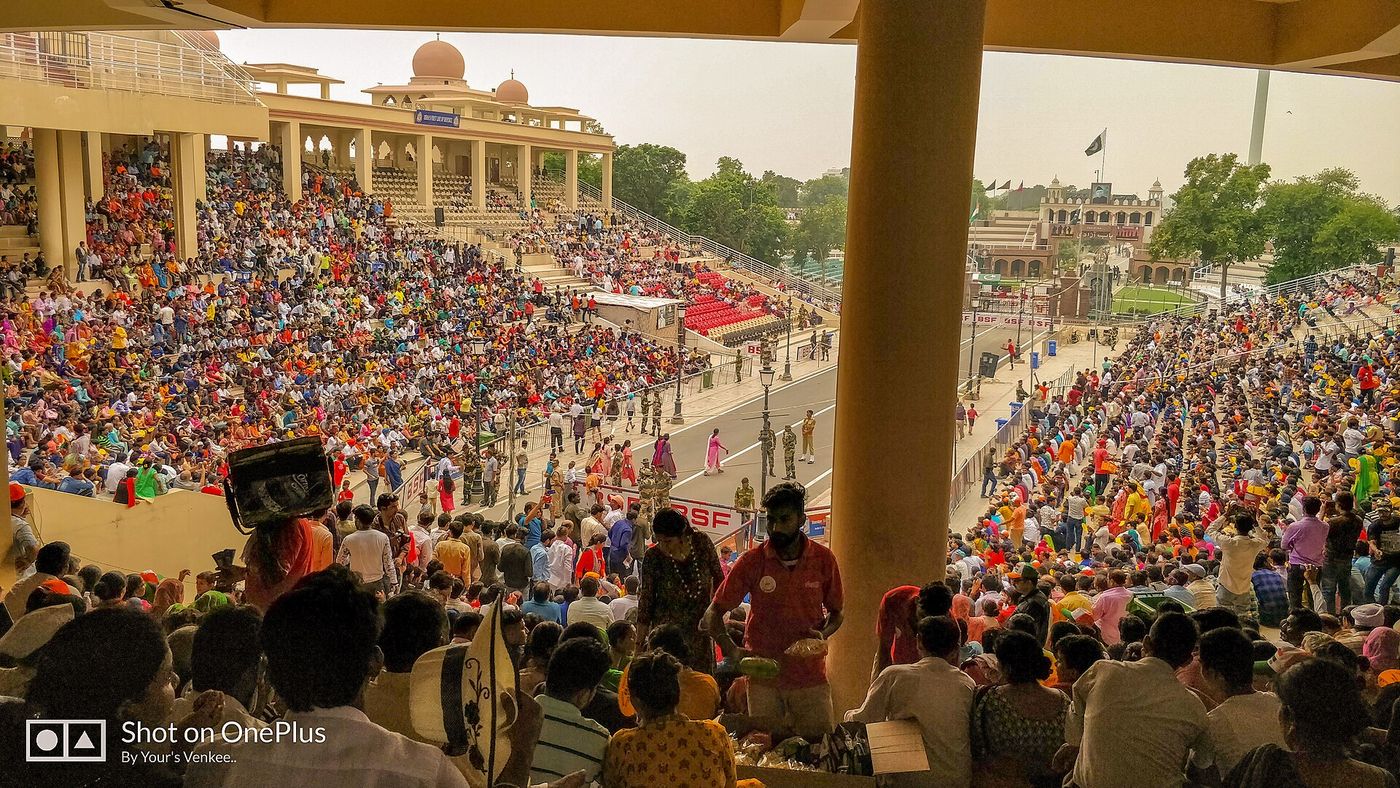
File photo: Eclicks by Bunny (CC BY-SA 4.0), via Wikimedia Commons
India and Pakistan summoned each other's top diplomats on 3 October 2026 over the 2 October border shooting in Punjab, adding strain to an already tense frontier.
Pakistan Summon: what happened
India and Pakistan summoned each other's top diplomats in their capitals on 3 October 2026 over a border shooting on 2 October that killed two men. The two sides gave sharply different accounts of the incident on the International Border in Punjab. Pakistan's Foreign Office lodged a strong protest with India's Chargé d'Affaires in Islamabad, Satyanjal Pandey. Later that day, India's Ministry of External Affairs (MEA) summoned Saad Ahmad Warraich, Chargé d'Affaires of the Pakistan High Commission in New Delhi.
Pakistan Summon: key facts
- Pakistan's Foreign Office said Border Security Force (BSF) personnel used unprovoked lethal force against unarmed Pakistani civilians in the Bedian sector on 2 October 2026. Two were killed and a third was wounded.
- Pakistani security sources said the three men were from Ladhar village near Kasur in Pakistan's Punjab province. They said the men had moved a few steps beyond a border pillar and were unarmed.
- Pakistan called the force wholly unjustified and grossly disproportionate. It rejected any description of the dead as infiltrators and called the shooting a violation of the right to life.
- Pakistan made three demands: an immediate, transparent and credible investigation, disciplinary and legal action against those responsible, and formal sharing of the findings and action taken with its government.
- India's MEA said three individuals infiltrated Indian territory in the Ferozepur sector on 2 October. It said they kept moving towards the border fence despite multiple BSF warnings to return to Pakistan.
- The MEA said the BSF was compelled to engage them because they posed an imminent security threat. It rejected Pakistan's allegations as baseless and motivated.
- India said the incident shows a pattern of repeated cross-border movement by armed narcotics syndicates operating from Pakistan. It urged Islamabad to investigate infiltration, drug smuggling and the alleged complicity of its border guarding forces.
- Tarn Taran Deputy Superintendent of Police Atul Soni said two men kept advancing despite BSF warnings and were shot. The BSF sentry said they provoked troops and wanted to enter India. No joint inquiry has been announced.
Pakistan Summon: why it matters
The shooting adds a fresh diplomatic flashpoint between two nuclear-armed neighbours. The accounts differ on location, identity and intent. Pakistan names the Bedian sector near Kasur and calls the dead unarmed civilians. India names the Ferozepur sector and calls them infiltrators who ignored warnings. Police in India's Tarn Taran district also described the incident, which took place around noon. The exact spot, and whether the men were armed, have not been independently established.
For India, the Punjab stretch of the border is a known route for drug smuggling. Punjab shares a 553-km border with Pakistan, according to Indian reports on the incident. Indian authorities have long said armed narcotics networks use it. This background shapes how New Delhi frames the shooting, as part of a wider security concern rather than an isolated event.
The case tests the BSF, the force guarding the frontier, and New Delhi's ability to defend its version of events without escalating the dispute. Pakistan's Foreign Office has described the deaths as a serious violation of fundamental human rights. It has raised concerns about the protection of civilians under international law. It also asked India to follow bilateral arrangements and established border procedures.
The exchange shows how thin the channels between the two capitals are. Both missions are headed by Chargés d'Affaires rather than full ambassadors. This limits the routes for quiet resolution of border incidents. India's statement also named a specific demand: that Pakistan direct its forces to exercise effective control against unauthorised movement from its side.
Summoning envoys is a standard signal of displeasure. It sits lower on the escalation ladder than expelling diplomats or suspending bilateral arrangements. Neither government has announced any step beyond the protests. This suggests both are registering concern while keeping the dispute contained. The MEA statement mentions three individuals, while both sides report two deaths, a difference that has not been explained.
Pakistan Summon: impact
Short-term: Both governments have formally registered protests and rejected each other's accounts. Pakistan has asked India for an investigation and written follow-up on its findings. India has asked Pakistan to act against infiltration and drug smuggling and to take remedial measures. No joint inquiry has been announced, so the competing narratives remain unresolved for now. Border-guarding forces on both sides remain deployed along the International Border, and neither government has announced further diplomatic steps.
Long-term: The episode shows how border incidents in Punjab can quickly become diplomatic disputes. India's emphasis on narcotics syndicates and alleged complicity of Pakistan's border guarding forces signals that it will keep linking such incidents to wider security concerns. Pakistan's appeal to human rights and international law suggests it may keep pressing its case. How each side responds will shape the tone of future border exchanges and the limited diplomatic channels between New Delhi and Islamabad.
Who is affected: Communities along the Punjab stretch of the International Border, including areas near Ferozepur, Tarn Taran and Kasur, are most directly affected. The BSF and Pakistan's border guarding forces face closer scrutiny of their conduct. The foreign ministries and missions in New Delhi and Islamabad carry the diplomatic follow-up. Security posture in Punjab will likely be shaped by the shooting in the coming weeks, particularly around anti-smuggling operations.
Pakistan Summon: key takeaway
On 3 October 2026 both governments formally protested the 2 October Punjab border shooting, each rejecting the other's account, and neither has announced a joint inquiry.
Pakistan Summon: questions and answers
What happened in the Punjab border shooting on 2 October 2026?
A border shooting on the International Border in Punjab killed two men on 2 October 2026. Pakistan calls them unarmed civilians shot by the BSF, while India says they were infiltrators who ignored warnings.
Who did India and Pakistan summon on 3 October 2026?
Pakistan's Foreign Office summoned India's Chargé d'Affaires in Islamabad, Satyanjal Pandey. India's Ministry of External Affairs summoned Saad Ahmad Warraich, Chargé d'Affaires of the Pakistan High Commission in New Delhi.
What does Pakistan demand from India over the shooting?
Pakistan asked India for an immediate, transparent and credible investigation. It also sought disciplinary and legal action against those responsible and asked India to share the findings and action taken.
Has a joint inquiry been announced into the Punjab border shooting?
No joint inquiry has been announced. Neither government has announced any step beyond the diplomatic protests, and each has rejected the other's account of the 2 October incident.
Disclaimer: Prepared by the Peepals newsroom from publicly available sources with AI assistance. Information is accurate to the best of our knowledge at the time of publication and may change. Images may be representative. Not professional advice. Report an error via our contact page.
By Vivaan Arora, Universal EditorCovers stories across all seven Peepals publications. All stories by Vivaan Arora
Your week ahead, every Sunday. Free.
Exam and result dates, IPOs opening, scheme deadlines, government holidays and the RBI decision for the next 7 days, plus the week's top stories. One email a week, unsubscribe in one click.
Vivaan Arora is a pen name of the Peepals Global Editorial Team, which researches, fact-checks and publishes every story. The portrait is an illustration.
Responsible for this story: the Peepals Global Editorial Team. How we report