

Hip-drop tackle ban in force: Ellis Genge calls rugby law timing 'berserk'
 By Tanishq BhattEntertainment Writer, Peepals Global
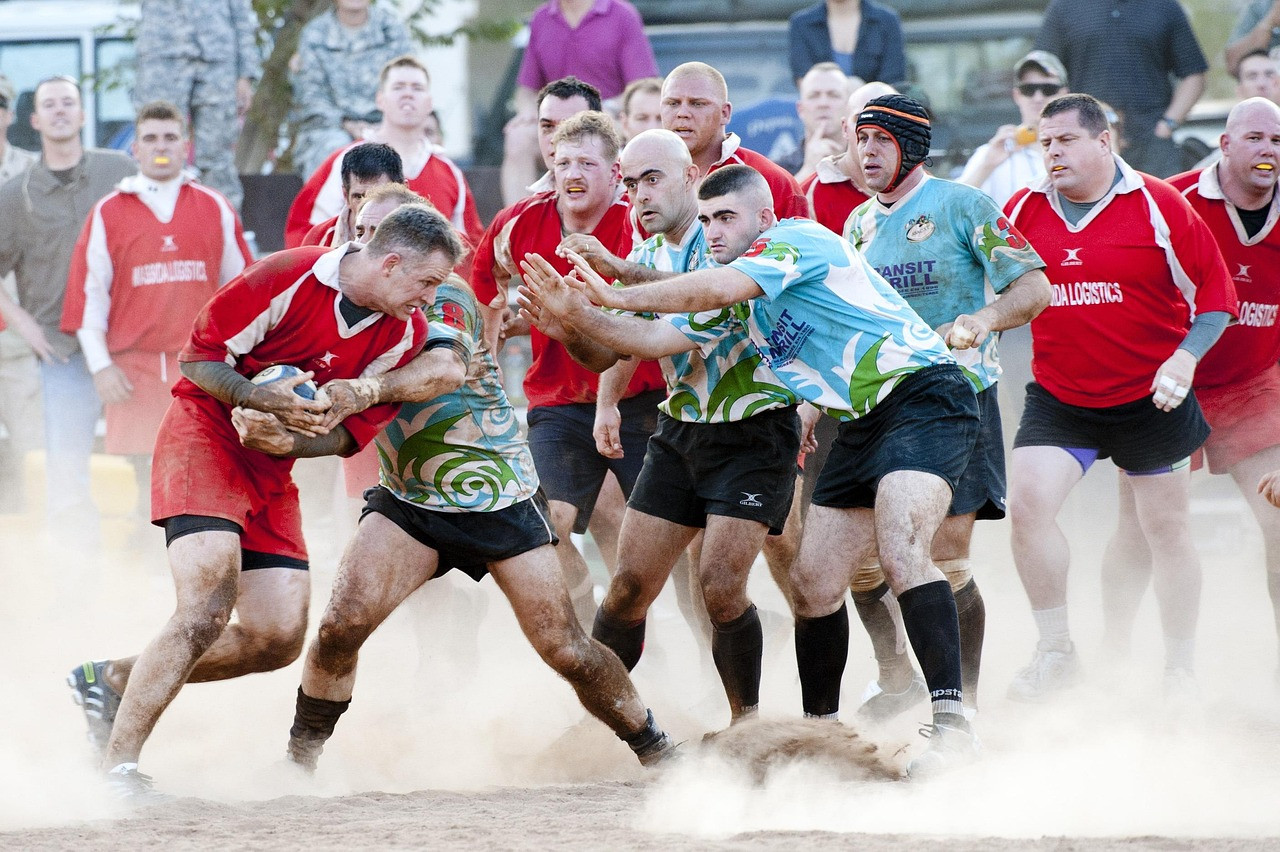
Representative image: 12019 / Pixabay
World Rugby's ban on the hip-drop tackle took effect on 1 November 2026, days before autumn Tests; England's Ellis Genge called the timing 'berserk'.
What Happened
World Rugby's ban on the hip-drop tackle came into force on Sunday, 1 November 2026, just before the autumn international matches. Under the change, the tackle is now named in Law 9.13, the law on dangerous tackling, and a player found guilty of it faces at least a penalty. England prop and vice-captain Ellis Genge criticised the timing, calling it "berserk" because teams had little time to adjust their defence before the Tests, according to reports on Monday, 2 November. Genge did not dispute the purpose of the ban.
Key Facts
- The rule: the hip-drop tackle is written into Law 9.13 (dangerous tackling), with a minimum sanction of a penalty.
- In force: from Sunday, 1 November 2026; World Rugby announced the change in early October.
- Related guidance: officials were also given guidance on a similar "knee-drop" tackle, which reports say took effect in October.
- Reason, according to World Rugby: evidence showed hip-drop tackles, while rare, could cause significant leg injuries.
- Reaction: England's Ellis Genge called the timing "berserk", though he said he assumed World Rugby wanted to improve the laws.
- England's discipline record: 14 yellow cards and one red card in 2026 so far, and five defeats in their past seven Tests, according to reports quoting the team's figures.
Why It Matters
A hip-drop tackle is one in which the tackler drops his body weight onto the ball carrier's legs rather than bringing him down with the arms, and World Rugby says it can cause significant leg injuries. Attention on the tackle grew after Penrith halfback Nathan Cleary suffered a compound fracture in a hip-drop tackle in a rugby league preliminary final, and reports say South Africa's coach had asked World Rugby to act. The body has now written the offence into its global law book for rugby union.
Player safety is the stated reason for the change: fewer techniques that put the ball carrier in danger. For referees, though, it brings a new judgement to make at full speed, and players fear inconsistent decisions in big matches.
Genge's complaint is about timing. The new law took effect on the eve of the autumn Tests, so teams had to change how they defend in the middle of their preparation. England have already struggled with discipline this year, and head coach Steve Borthwick has warned his players about conceding cards. Any new offence that can lead to a penalty adds pressure on a side with that record.
For Indian readers, the change matters wherever rugby union is played under World Rugby's laws, and coaches at school and club level will need to teach safe tackling technique that avoids the hip drop.
Peepals calculation: England's record of five defeats in seven Tests means they have won about 29% of their recent matches (2 ÷ 7 ≈ 0.29). With 14 yellow cards and one red card in 2026, they have received 15 cards in total this year. Our calculation from the reported figures.
| Date | Development |
|---|---|
| Early October 2026 | World Rugby announces the hip-drop ban |
| 1 November 2026 | Ban takes effect under Law 9.13 |
| 2 November 2026 | Ellis Genge calls the timing "berserk" |
Impact
Short-term: Referees in the autumn Tests will penalise hip-drop tackles, and teams will adjust defensive drills quickly to avoid conceding penalties and cards.
Long-term: The ban should reduce one cause of serious leg injuries, and over time coaches at every level will teach tackling methods that avoid it.
Who is affected: Professional players and referees in international and club rugby; coaches at school and club level, including in India; and teams such as England that are trying to cut down on penalties and cards.
Key Takeaway
World Rugby's ban on the hip-drop tackle took effect on 1 November 2026 to cut leg injuries, but England's Ellis Genge said bringing it in just before the autumn Tests was "berserk".
Questions and Answers
What is a hip-drop tackle in rugby?
It is a tackle in which the defender grabs the ball carrier and drops his body weight onto the carrier's legs instead of using his arms, which can cause serious leg and ankle injuries.
When did the hip-drop tackle ban start?
World Rugby's ban came into force on Sunday, 1 November 2026, under Law 9.13 on dangerous tackling.
What is the punishment for a hip-drop tackle?
A player found guilty of a hip-drop tackle faces at least a penalty, and referees can give a stronger sanction depending on the incident.
Why did Ellis Genge criticise the hip-drop ban?
Genge did not oppose the ban itself; he called its timing "berserk" because it came into force just before the autumn internationals, leaving teams little time to adapt.
Disclaimer: Prepared by the Peepals newsroom from publicly available sources with AI assistance. Information is accurate to the best of our knowledge at the time of publication and may change. Images may be representative. Not professional advice. Report an error via our contact page.
By Tanishq Bhatt, Entertainment WriterCovers Entertainment and more for Peepals Global. All stories by Tanishq Bhatt
North Atlantic defence: France hosts navy chiefs as UK denies being sidelined
Sunrise on the Reaping gets 3D release with Meta, VR glasses next
Get the day's stories in your inbox
Peepals Weekly: the week decoded, free. One email a week, unsubscribe in one click.
Tanishq Bhatt is a pen name of the Peepals Global Editorial Team, which researches, fact-checks and publishes every story. The portrait is an illustration.