
North Atlantic defence: France hosts navy chiefs as UK denies being sidelined
 By Rohan SalujaGeopolitics Editor, Peepals Global
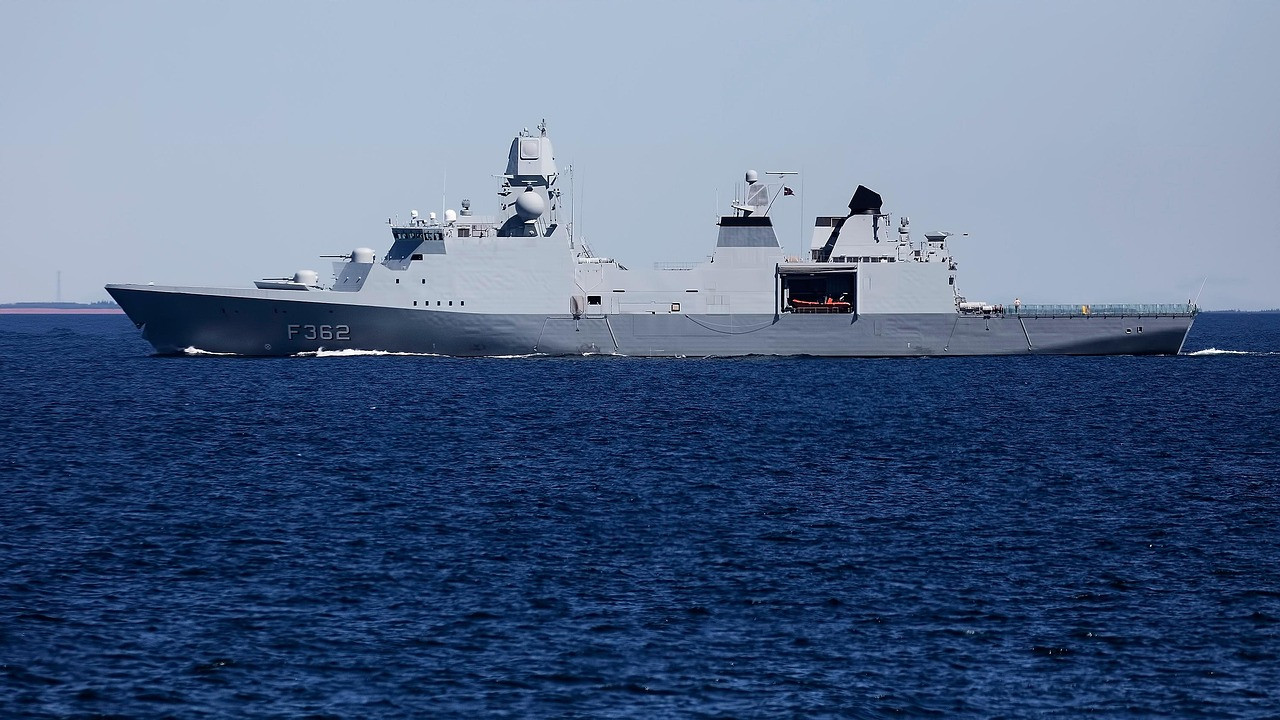
Representative image: Canadian-Nature-Visions / Pixabay
France invited European navy chiefs to talks on North Atlantic defence before Euronaval 2026 in Paris; the UK rejected claims the talks planned around an absent Royal Navy.
What Happened
The French Navy invited counterparts from across Europe to talks on defending the North Atlantic ahead of Euronaval, the naval defence exhibition that opens in Paris on Tuesday, 3 November 2026. The talks, which included Italy, Spain and the Netherlands, were reported in the days before the show by the British naval website Navy Lookout under the headline that European chiefs had discussed North Atlantic defence "without the Royal Navy", and the claim spread quickly in British media. The UK government rejected that description. According to reports on Monday, 2 November, it said Britain had sent a rear admiral to the French-hosted meeting. No official summary of what the navies agreed has been published.
Key Facts
- Host: the French Navy, ahead of Euronaval 2026 in Paris.
- Other navies named in reports: Italy, Spain and the Netherlands.
- The UK says it was represented at the talks by a rear admiral.
- Navy Lookout's report framed the meeting as planning for gaps left by a shortage of available British warships; the UK rejected the claim that the talks were about defending the Atlantic without the Royal Navy.
- Euronaval 2026 runs from 3 to 6 November at Paris Nord Villepinte, its 30th edition.
- No joint statement or readout from the talks has been released.
Why It Matters
Britain has traditionally been expected to lead naval efforts in the North Atlantic within NATO, and its planned "Atlantic Bastion" concept would combine frigates, P-8A patrol aircraft, submarines, seabed sensors and uncrewed vessels into a network to hunt submarines there. Any sign that other European navies are planning to cover that job, even partly, is therefore read in London as a judgment on the state of the Royal Navy.
That is why the wording of the reports matters so much. Navy Lookout, which closely follows the British fleet, argued that the UK has traditionally been expected to lead naval efforts in the region, and that new ships due later in the decade do not defend the North Atlantic today. Its point was that the talks reflect a real gap in available ships now. The UK's response was that it was at the table, which suggests the meeting was a planning discussion among allies rather than an attempt to work around Britain.
Both things can be true at once. European navies regularly meet to share tasks, and France, as host of the continent's largest naval trade show, has an obvious reason to gather its peers in Paris this week. At the same time, the debate shows growing concern in Britain about how many warships are ready to sail on any given day, a concern that has been raised repeatedly in British defence coverage this year.
There is also a wider European story. Britain itself has pushed new arrangements: in April it hosted naval chiefs of the Joint Expeditionary Force, a group of northern European countries, to discuss deterrence in the North Atlantic and the Baltic, and it set out plans for a multinational maritime force with nine European allies aimed at the North Atlantic and the High North. The Paris talks add a French-led track alongside those British-led ones.
Peepals timeline: In April 2026 the Royal Navy hosted Joint Expeditionary Force naval chiefs in London to discuss North Atlantic and Baltic deterrence, and the UK announced plans for a joint naval force with nine European countries. Later in the year, France took over command of a NATO maritime group from the Royal Navy, according to defence trade reports. In the days before Euronaval opened on 3 November, the French Navy invited European counterparts to talks on North Atlantic defence, and on 2 November the UK rejected claims that those talks were about managing without it.
Impact
Short-term: The row puts pressure on the UK government to show how many warships it can deploy to the North Atlantic, and gives France a visible role in shaping European naval planning at Euronaval this week.
Long-term: If European navies formalise a shared plan for North Atlantic patrols, tasks once led by Britain could be spread among several countries. Whether that strengthens NATO or exposes British weakness will depend on what is agreed and who leads.
Who is affected: The navies of the UK, France, Italy, Spain and the Netherlands; NATO commanders responsible for the Atlantic; defence industries showing ships and sensors at Euronaval; and governments deciding defence budgets.
Key Takeaway
France gathered European navies to talk about North Atlantic defence, and while the UK insists it was part of the discussion, the episode has sharpened questions about how many British warships are available.
Questions and Answers
What were the North Atlantic defence talks in Paris?
The French Navy invited European counterparts, including Italy, Spain and the Netherlands, to discuss North Atlantic defence ahead of the Euronaval exhibition, which runs in Paris from 3 to 6 November 2026.
Was the Royal Navy left out of the talks?
The UK rejected that claim. According to reports on 2 November 2026, it said Britain sent a rear admiral to the meeting. The "without the Royal Navy" framing came from a naval news website and was then repeated by British media.
Why is the North Atlantic important for NATO?
The North Atlantic links Europe and North America, and protecting it, including tracking submarines, is a core NATO naval task that the Royal Navy has traditionally been expected to lead.
What is Euronaval?
Euronaval is a naval defence and maritime security exhibition held in Paris. Its 30th edition takes place from 3 to 6 November 2026 at Paris Nord Villepinte.
Disclaimer: Prepared by the Peepals newsroom from publicly available sources with AI assistance. Information is accurate to the best of our knowledge at the time of publication and may change. Images may be representative. Not professional advice. Report an error via our contact page.
By Rohan Saluja, Geopolitics EditorCovers Geopolitics and more for Peepals Global. All stories by Rohan Saluja
Get the day's stories in your inbox
Peepals Weekly: the week decoded, free. One email a week, unsubscribe in one click.
Rohan Saluja is a pen name of the Peepals Global Editorial Team, which researches, fact-checks and publishes every story. The portrait is an illustration.