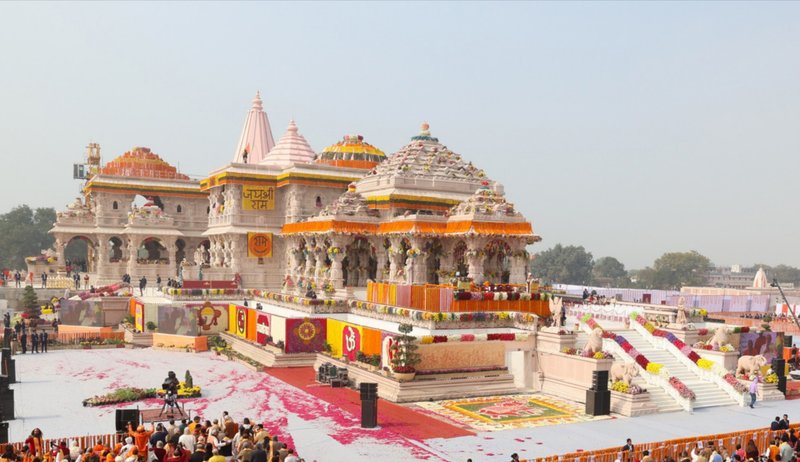
Durga Puja begins in Bangladesh at over 33,000 mandaps under tight security
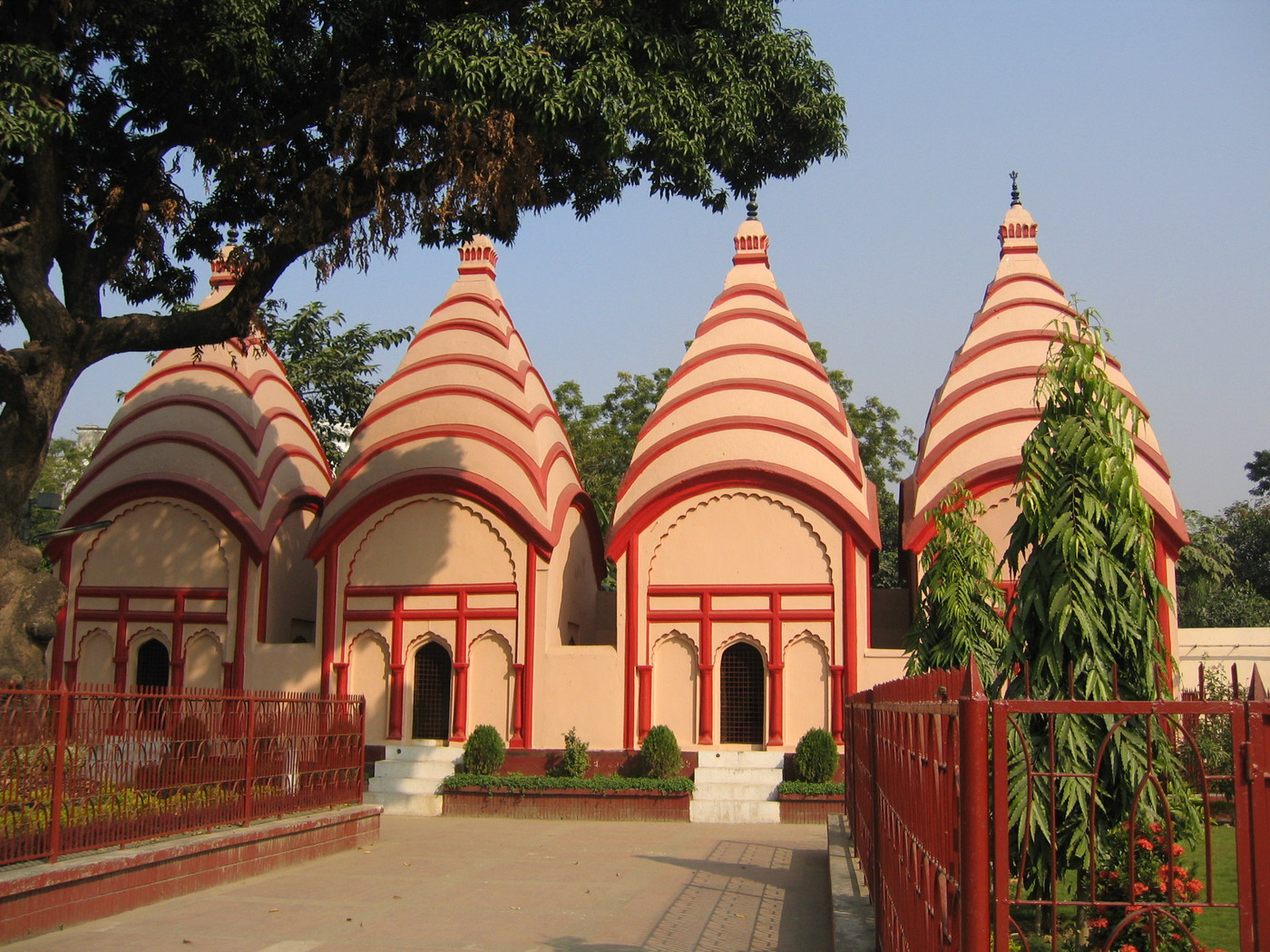
File photo: Ragib Hasan (CC BY 2.5), via Wikimedia Commons
Bangladesh's Hindus began Durga Puja with Maha Shashthi on October 16, 2026, at more than 33,000 mandaps, with border guards deployed and a five-day holiday ahead.
What Happened
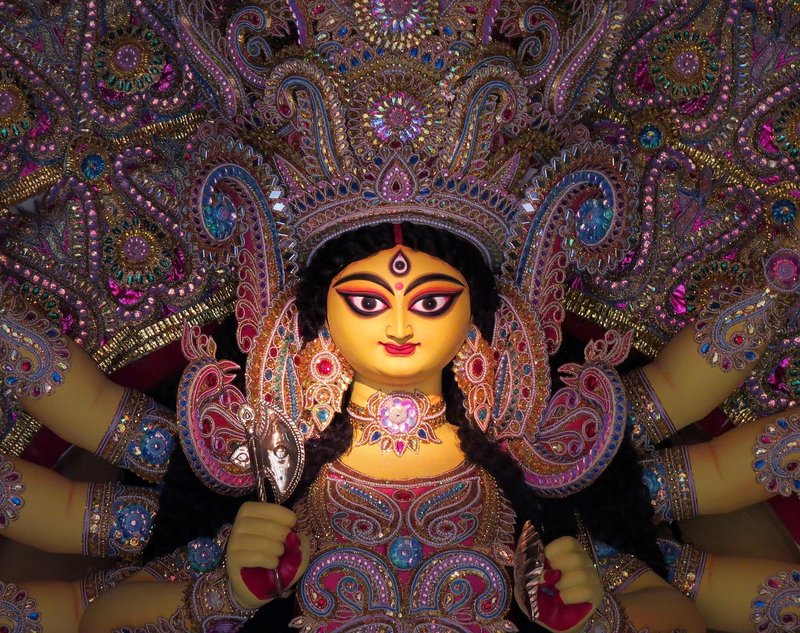
Durga Puja, the biggest festival of Bangladesh's Hindu community, began on Friday, October 16, 2026, with Maha Shashthi, the sixth day of the bright fortnight, when the goddess is ceremonially awakened and her image unveiled. The five-day festival will run until Bijoya Dashami on Wednesday, October 21. Home Minister Salahuddin Ahmed has said the puja is being held at more than 33,000 mandaps, or community worship venues, across the country this year, about 1,500 more than last year. The government has raised its grant for mandaps to Tk 5 crore from Tk 4 crore, deployed Border Guard Bangladesh (BGB) personnel at puja venues, and declared public holidays that give the country a five-day break from October 20 to 24.
Key Facts
- Durga Puja began on October 16 with Maha Shashthi and ends with Bijoya Dashami on October 21, when the images are immersed.
- The Home Minister put the number of mandaps at more than 33,000 this year; reported figures range from 33,165 to 33,851.
- The government grant for puja mandaps has been raised to Tk 5 crore from Tk 4 crore.
- BGB said it will provide security at 2,787 mandaps from October 16 to 22, with extra measures in border and remote areas.
- Ansar and Village Defence Party members have been assigned to guard mandaps, with high-risk venues getting eight personnel each.
- A three-day public holiday from October 20 to 22, followed by the weekend, gives a five-day break.
Why It Matters
Durga Puja is shared heritage across the Bengali-speaking world. The same rituals that are now under way in Kolkata's pandals are being performed in Dhaka, Chattogram, Sylhet and thousands of villages across Bangladesh. The first day's rites include Kalparambha, the formal beginning of the worship, and Bodhan, the awakening of the goddess, traditionally performed at a bel tree. At Dhakeshwari National Temple in Dhaka, the country's best-known Hindu shrine, the images had been installed and kept behind white curtains ahead of the unveiling, according to reports from Thursday.
The scale of the festival keeps growing. More than 33,000 mandaps is a large number for a minority community, and it reflects how deeply the puja is part of Bangladesh's cultural life. Many mandaps are run by neighbourhood committees and are open to visitors of all faiths. For Indian readers in West Bengal and the North-East, where the same festival is being celebrated this week, the puja in Bangladesh is a reminder of a tradition that the border has never divided.
Security has once again been a central theme. The government has split responsibility across national, divisional, district and upazila authorities, police have been compiling lists of volunteers, and organisers have been told to keep generators ready. The Home Minister said intelligence agencies had not flagged any mandap as especially high-risk. At the same time, a Dhaka puja committee has reported attacks on idols and temples in Sylhet, Rajbari, Panchagarh, Netrokona and Tangail in the run-up to the festival; earlier, the minister said reports of vandalism in some districts had not been confirmed.
| Item | 2026 detail |
|---|---|
| Festival opens | Maha Shashthi, Friday, October 16 |
| Festival ends | Bijoya Dashami, Wednesday, October 21 |
| Mandaps | more than 33,000 |
| State grant for mandaps | Tk 5 crore (up from Tk 4 crore) |
| Public holiday break | October 20 to 24 |
Impact
Short-term: Millions of people will visit mandaps over the next five days, and the security deployment will be tested in crowded urban venues and remote border districts alike. Any incident at a mandap would draw attention in India as well as in Bangladesh.
Long-term: The rising number of mandaps and the larger state grant suggest the festival's public footprint is still growing. How peacefully it passes will shape how safe Bangladesh's Hindu community feels about practising its traditions openly in the years ahead.
Who is affected: Bangladesh's Hindu community and puja committees, visitors of all faiths who attend mandaps, security agencies, traders and artisans whose income depends on the festival, and Bengali families on both sides of the border.
Key Takeaway
Durga Puja has begun across Bangladesh at more than 33,000 mandaps, a sign of a living shared tradition, and the government is backing it with more money and heavy security.
Questions and Answers
When is Durga Puja 2026 in Bangladesh?
It began with Maha Shashthi on Friday, October 16, 2026, and ends with Bijoya Dashami on Wednesday, October 21. The government has declared holidays that create a five-day break from October 20 to 24.
How many Durga Puja mandaps are there in Bangladesh this year?
The Home Minister said more than 33,000, about 1,500 more than last year. Published figures range from 33,165 to 33,851.
What security arrangements are in place?
Border Guard Bangladesh said it would guard 2,787 mandaps from October 16 to 22. Ansar and Village Defence Party members are posted at mandaps, with eight at each high-risk venue, and police are compiling volunteer lists.
What happens on Maha Shashthi?
It is the first of the main days. The rites include Kalparambha, the formal start of the worship, and Bodhan, the ceremonial awakening of the goddess, after which her image is unveiled to devotees.
Disclaimer: Prepared by the Peepals newsroom from publicly available sources with AI assistance. Information is accurate to the best of our knowledge at the time of publication and may change. Images may be representative. Not professional advice. Report an error via our contact page.
Sourced and fact-checked by the Peepals Global Editorial Team
Brain-eating amoeba death shuts six lakes in Mexico; Kerala has seen 155 cases this year
UP's new AYUSH Policy-2026 heads to cabinet in November with investor incentives
Reported, fact-checked and published by the Peepals Global Editorial Team.