
Ayodhya Ram temple gets FSSAI 'Eat Right Place of Worship' tag for prasad
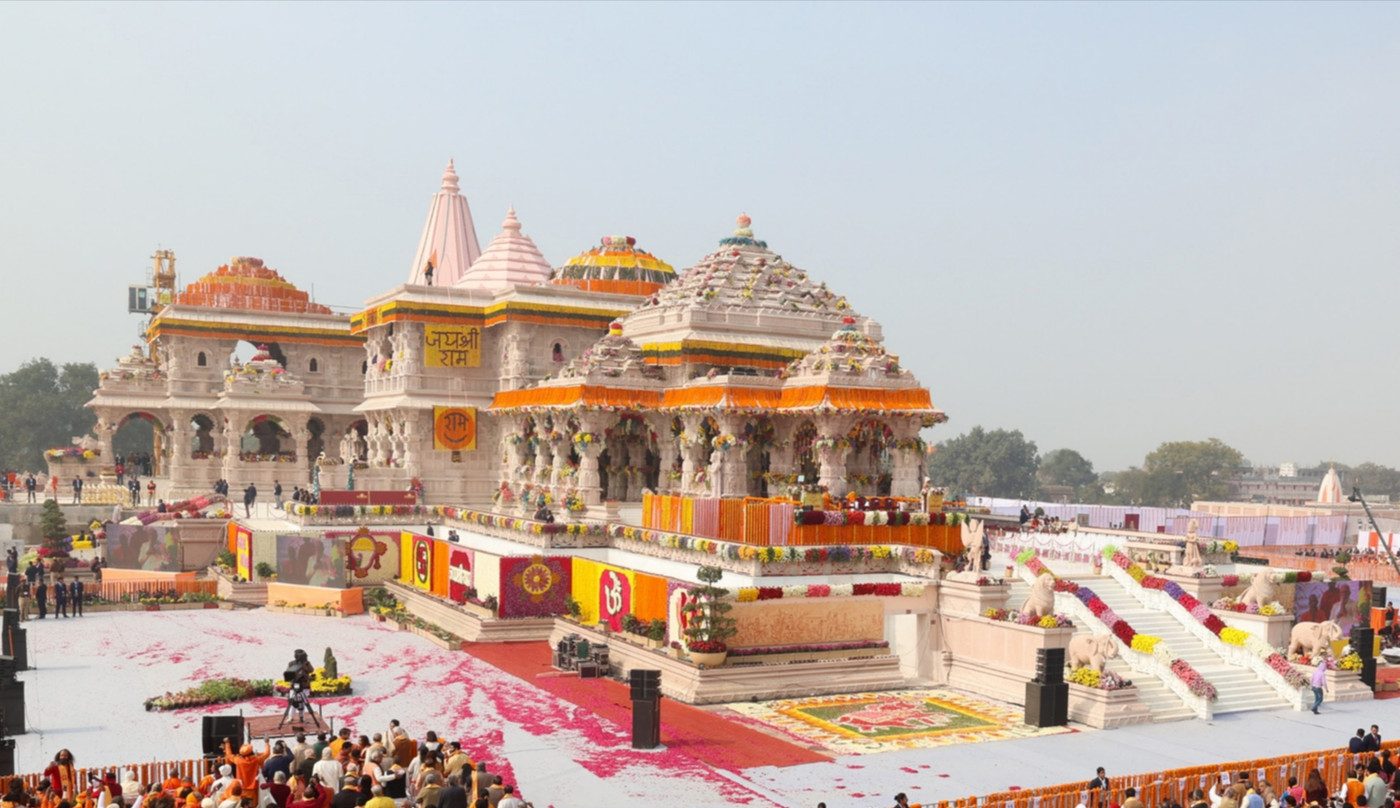
File photo: Prime Minister's Office (GODL-India), via Wikimedia Commons
FSSAI certified Ayodhya's Ram temple trust as an 'Eat Right Place of Worship' on Oct 10, 2026, covering prasad for two years to Oct 2028.
What Happened
The Shri Ram Janmabhoomi Teerth Kshetra, the trust that runs the Ram temple in Ayodhya, has been certified as an "Eat Right Place of Worship" by the Food Safety and Standards Authority of India (FSSAI). FSSAI chief executive Rajit Punhani handed over the certificate at a ceremony in Ayodhya on Saturday, 10 October 2026, and the regulator announced it in a statement on Sunday, 11 October. The certificate is valid for two years, from 11 October 2026 to 10 October 2028, and covers the food the temple serves and sells to devotees, including prasad.
Key Facts
- The certificate went to the Shri Ram Janmabhoomi Teerth Kshetra, which manages the Ram temple in Ayodhya.
- FSSAI CEO Rajit Punhani presented it in Ayodhya on Saturday, 10 October 2026.
- It runs for two years, from 11 October 2026 to 10 October 2028, FSSAI said.
- The Eat Right Place of Worship scheme targets food served as prasad and langar, and food vendors linked to a place of worship.
- FSSAI's process is a pre-audit against a checklist, training for food handlers, then a final audit by a third-party agency.
- The certification came as Navratri began and devotee numbers rose for the Ramkot parikrama around the temple.
Why It Matters
For millions of Hindus, prasad is not a snack but a blessing. It is cooked in large quantities, often in hot weather, and handed out to large crowds on festival days. That makes temple kitchens one of the largest and least visible food operations in India. When something goes wrong, the harm can be wide, and the loss of trust can be deep.
FSSAI's Eat Right Place of Worship programme is meant to bring temple, gurudwara and other religious kitchens under the same basic hygiene rules that apply to restaurants. According to the regulator, its aim is to build awareness among places of worship so that malpractice and irregularities in food served as prasad or langar are prevented, and that the kitchens follow the Food Safety and Standards Act, 2006. The scheme is voluntary: a place of worship applies, its kitchen is checked against a list, its staff are trained, and an outside auditor makes the final call.
The Ayodhya temple draws very large crowds, especially on festival days. Its certification during Navratri, when crowds swell, gives the scheme a high-profile example and may encourage other large shrines to apply. It also gives devotees a simple signal that the kitchen preparing their prasad has been inspected by someone other than the temple itself.
The certificate is not a permanent stamp. It lasts two years, after which the temple must be audited again to keep it.
| Item | Detail |
|---|---|
| Certified body | Shri Ram Janmabhoomi Teerth Kshetra, Ayodhya |
| Certificate | FSSAI Eat Right Place of Worship |
| Presented | Saturday, 10 October 2026, by FSSAI CEO Rajit Punhani |
| Valid | 11 October 2026 to 10 October 2028 |
Impact
Short-term: Devotees visiting Ayodhya during Navratri and the festive season receive prasad from a kitchen that has passed an external food-safety audit.
Long-term: A certification for such a high-profile temple could push other large shrines to put their kitchens through the same checks, raising hygiene standards for religious food across the country.
Who is affected: Pilgrims to Ayodhya, the temple trust and its kitchen staff, vendors who sell prasad linked to the temple, and other places of worship weighing whether to apply.
Key Takeaway
FSSAI has certified the Ayodhya Ram temple's food and prasad under its Eat Right Place of Worship scheme for two years, until 10 October 2028.
Questions and Answers
What is an "Eat Right Place of Worship" certificate?
It is a voluntary FSSAI certification for temples, gurudwaras and other places of worship whose kitchens and food vendors pass a hygiene and food-safety audit, covering food such as prasad and langar.
When did the Ayodhya Ram temple get it, and how long is it valid?
FSSAI CEO Rajit Punhani handed it over on Saturday, 10 October 2026, and it is valid from 11 October 2026 to 10 October 2028.
How does a place of worship get certified?
FSSAI first runs a pre-audit against a checklist, then trains the food handlers, and finally an independent third-party agency carries out the audit before the certificate is issued.
Does this mean the temple's prasad is permanently certified?
No. The certificate lasts two years, after which the temple has to be audited again to renew it.
Disclaimer: Prepared by the Peepals newsroom from publicly available sources with AI assistance. Information is accurate to the best of our knowledge at the time of publication and may change. Images may be representative. Not professional advice. Report an error via our contact page.
Sourced and fact-checked by the Peepals Global Editorial Team
UP digitises 15,890 manuscripts, 7.56 lakh pages under Gyan Bharatam Mission
BAPS opens Sanskrit pathshala at London's Neasden temple
Reported, fact-checked and published by the Peepals Global Editorial Team.