
Baini-Bhuli Yojana: Uttarakhand to pay 5.23 lakh SHG women Rs 20,000
 By Priya NairLeadership & Growth Editor, Peepals Shakti
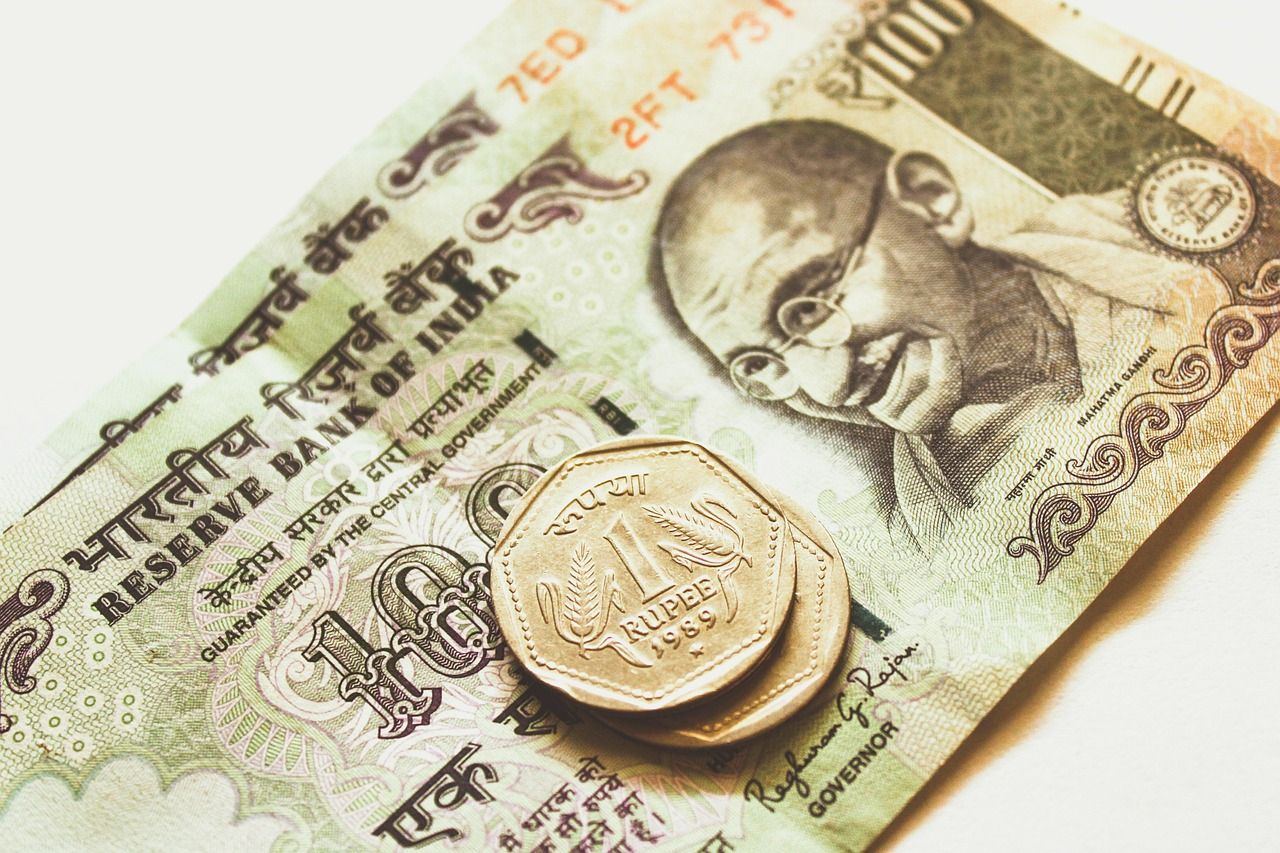
Representative image: rupixen / Pixabay
Uttarakhand's Baini-Bhuli Yojana will pay Rs 20,000 in two instalments to 5.23 lakh rural women in self-help groups, the first Rs 10,000 in December 2026.
Baini-Bhuli Yojana: what happened
The Uttarakhand government will start the Baini-Bhuli Yojana in December 2026, paying Rs 20,000 in two instalments to about 5.23 lakh rural women linked to self-help groups. Chief Minister Pushkar Singh Dhami announced the scheme, and its details were set out as of Tuesday, 24 November 2026. The first instalment of Rs 10,000 is to go directly into the women's bank accounts in December.
Baini-Bhuli Yojana: key facts
- Scheme: Baini-Bhuli Yojana, announced by Chief Minister Pushkar Singh Dhami.
- Who gets it: about 5.23 lakh rural women associated with self-help groups (SHGs), the Rural Livelihood Mission and various self-employment activities.
- Amount: Rs 20,000 per woman, paid in two instalments.
- First instalment: Rs 10,000, by direct transfer to bank accounts in December 2026.
- Cost of the first instalment: Rs 523 crore from the state treasury.
- Purpose stated by the government: to support women's livelihoods in farming, animal husbandry, handicrafts and local products.
- Urban women: Rural Development Minister Bharat Singh Chaudhary said a separate assistance scheme for women in towns and cities is planned; no timeline or eligibility has been given.
- Opposition: Pradesh Congress Committee president Ganesh Godiyal has questioned the timing and why the help is limited to about five lakh women.
Baini-Bhuli Yojana: why it matters
Self-help groups are small savings and credit groups of women who pool money, lend to members and often run small businesses together. The state government links this scheme to exactly that kind of work: farming, animal husbandry, handicrafts and local products. A direct payment of Rs 10,000 is working capital that a woman does not have to borrow, and in a village enterprise it can pay for livestock, seed, tools or stock.
The government frames the scheme as support for that work. Minister Bharat Singh Chaudhary said it would give direct financial help to women associated with self-help groups, the Rural Livelihood Mission and self-employment activities. Its effect on enterprise will depend on how each woman and group uses the money.
The politics are also clear. The scheme comes ahead of the Uttarakhand Assembly elections due in 2027. Congress state chief Ganesh Godiyal argued that splitting the money into two instalments looked like electoral bait rather than welfare, and asked why the assistance stops at around five lakh women. Unlike a payment to all adult women, Uttarakhand's scheme is aimed at women already organised in livelihood groups, which is also the source of the criticism over its coverage.
Peepals calculation: The first instalment works out exactly to the stated cost (5.23 lakh women × Rs 10,000 = Rs 523 crore), so paying the full Rs 20,000 to the same women would take about Rs 1,046 crore in all (5.23 lakh × Rs 20,000). Our calculation from the reported figures.
| Item | Baini-Bhuli Yojana |
|---|---|
| Beneficiaries | About 5.23 lakh rural women in SHGs and livelihood groups |
| Total per woman | Rs 20,000 in two instalments |
| First instalment | Rs 10,000 in December 2026 |
| First-instalment cost | Rs 523 crore |
| Urban women | Separate scheme planned, no details yet |
Baini-Bhuli Yojana: impact
Short-term: Eligible women in rural Uttarakhand should receive Rs 10,000 in their bank accounts in December, a sizeable addition to a small household business's working capital.
Long-term: If the money goes into livestock, crafts and local products, it can strengthen women-run enterprises in villages; if it is used mainly for household spending, the scheme will work more as income support than as a growth push. The planned urban scheme would widen the reach.
Who is affected: Rural women in self-help groups and the Rural Livelihood Mission in Uttarakhand, their families, the state's finances, and urban women waiting for the separate scheme.
What to watch next: The transfer of the first Rs 10,000 instalment in December 2026, and the details of the promised scheme for urban women.
Baini-Bhuli Yojana: key takeaway
Women in Uttarakhand's rural self-help groups should keep their bank account and group records up to date, as the first Rs 10,000 is due by direct transfer in December.
Baini-Bhuli Yojana: questions and answers
What is the Baini-Bhuli Yojana in Uttarakhand?
It is a state scheme that gives Rs 20,000, in two instalments, to about 5.23 lakh rural women linked to self-help groups, the Rural Livelihood Mission and self-employment work, to support their livelihoods.
When will the first Baini-Bhuli payment come?
The first instalment of Rs 10,000 is planned for December 2026 and will be paid directly into the women's bank accounts.
Can women in towns and cities apply?
Not under this scheme. Rural Development Minister Bharat Singh Chaudhary said a separate assistance scheme for urban women is planned, but its timeline and rules have not been announced.
Why has the opposition criticised it?
State Congress president Ganesh Godiyal said the two-instalment design ahead of the 2027 Assembly elections looked like electoral bait and questioned why it covers only about five lakh women.
Disclaimer: Prepared by the Peepals newsroom from publicly available sources with AI assistance. Information is accurate to the best of our knowledge at the time of publication and may change. Images may be representative. Not professional advice. Report an error via our contact page.
By Priya Nair, Leadership & Growth EditorCovers Leadership & Growth and more for Peepals Shakti. All stories by Priya Nair
Your week ahead, every Sunday. Free.
Exam and result dates, IPOs opening, scheme deadlines, government holidays and the RBI decision for the next 7 days, plus the week's top stories. One email a week, unsubscribe in one click.
Priya Nair is a pen name of the Peepals Global Editorial Team, which researches, fact-checks and publishes every story. The portrait is an illustration.
Responsible for this story: the Peepals Global Editorial Team, led by editor Prashant Sonar. How we report