
Jeanne Hengemuhle confirmed as first woman to lead New Jersey State Police
 By Priya NairLeadership & Growth Editor, Peepals Shakti

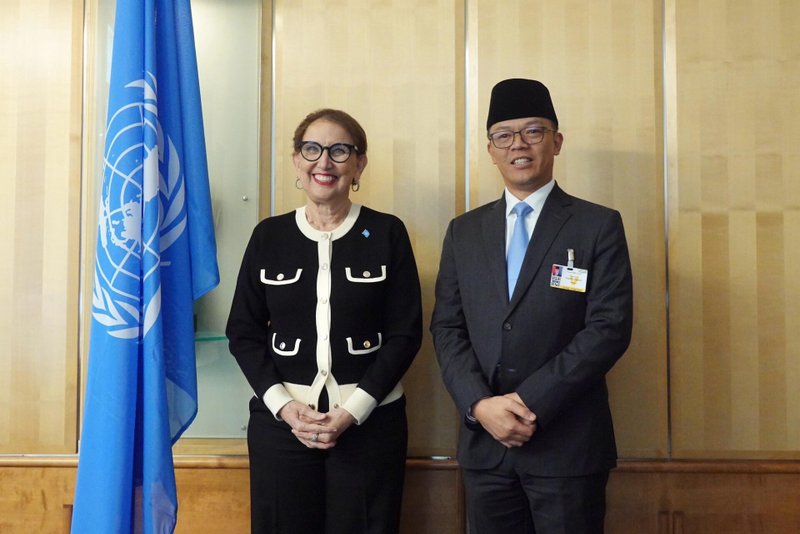
Representative image: cocoparisienne / Pixabay
Jeanne Hengemuhle, a 26-year veteran, has been confirmed as the first woman to lead the New Jersey State Police in its 105-year history, reported 25 October 2026.
What Happened
Jeanne Hengemuhle has been confirmed as Superintendent of the New Jersey State Police, making her the first woman to lead the force in its 105-year history, according to a State Police announcement reported on Sunday, 25 October 2026. A 26-year veteran of the agency, she had been acting superintendent since 26 February 2026, after Governor Mikie Sherrill chose her for the post. She becomes the 15th superintendent of the New Jersey State Police.
Key Facts
- Jeanne Hengemuhle is the first woman confirmed as Superintendent of the New Jersey State Police, which has a 105-year history.
- She is described as the force's 15th superintendent.
- Governor Mikie Sherrill selected her in February 2026, and she took over as acting superintendent on 26 February 2026.
- She replaced Lt. Col. David Sierotowicz, who had led the agency on an interim basis since 1 January 2026.
- Hengemuhle served 26 years in the State Police and retired in 2024 with the rank of Lieutenant Colonel, before returning to lead it.
- Reports describe her as the first openly gay person to hold the post.
- Her appointment drew some Republican objections over her drawing a state pension while being paid as superintendent; legislation was introduced to let a superintendent hold the rank of colonel while keeping retirement benefits.
Why It Matters
Police leadership remains one of the most male-dominated fields in public life, in the United States as in India. State police forces are large, uniformed organisations with long chains of command, and their top posts have usually gone to men who rose through the ranks over decades. A woman taking the top job in a force of this size and age is therefore a marker of change, and one that other women officers are likely to note. In an interview after her selection, Hengemuhle described her role as a reflection of other women in law enforcement.
Her path is also worth noting. She is not an outsider brought in from politics or another field but a career officer who spent 26 years inside the organisation and reached Lieutenant Colonel before retiring. She then returned to serve first as acting head and now as confirmed superintendent. That route, from the ranks to the top, is the one most women in policing say is hardest, because of the barriers in postings, promotions and command roles along the way.
The debate around her appointment shows the practical questions that come with such moves. Critics focused on the pension rules, not on her record as an officer, and lawmakers responded with a proposal to change the law on how a retired officer can return to lead the force. Rules like these can decide whether experienced officers, including women who have already completed long careers, are able to come back into leadership roles.
For Indian readers, the story echoes debates at home, where women have led central forces and some state police departments, but remain a small share of senior officers. Each such appointment, at home or abroad, adds to the evidence that women can lead large, armed, hierarchical organisations.
| Point | Detail |
|---|---|
| Post | Superintendent, New Jersey State Police |
| Number | 15th superintendent; first woman in 105 years |
| Appointed by | Governor Mikie Sherrill (selected February 2026) |
| Acting since | 26 February 2026 |
| Career | 26 years in the force; retired as Lieutenant Colonel in 2024 |
Impact
Short-term: Hengemuhle now leads the force with full authority rather than as acting head, and the debate over her pension and the related legislation is likely to continue in the state legislature.
Long-term: Her tenure will be watched as a test case for women's leadership in policing, and may encourage more women officers to aim for command roles in state forces.
Who is affected: Members of the New Jersey State Police, residents of New Jersey, women in law enforcement, and lawmakers dealing with rules on rehiring retired officers.
Key Takeaway
Jeanne Hengemuhle, a 26-year State Police veteran, has been confirmed as the first woman to lead the New Jersey State Police in its 105-year history.
Questions and Answers
Who is Jeanne Hengemuhle?
Jeanne Hengemuhle is a career police officer who served 26 years in the New Jersey State Police and retired as a Lieutenant Colonel in 2024. She has now been confirmed as the force's 15th superintendent and its first woman leader.
When did Jeanne Hengemuhle start leading the New Jersey State Police?
She became acting superintendent on 26 February 2026 after Governor Mikie Sherrill selected her, and her confirmation as superintendent was reported on 25 October 2026.
Why was her appointment questioned?
Some Republican lawmakers objected that she could collect her state pension while being paid as superintendent. Legislation was introduced to allow a superintendent to hold the rank of colonel while keeping retirement benefits.
Is she the first woman to lead the New Jersey State Police?
Yes. Reports describe her as the first woman to lead the agency in its 105-year history, and the first openly gay person to hold the post.
Disclaimer: Prepared by the Peepals newsroom from publicly available sources with AI assistance. Information is accurate to the best of our knowledge at the time of publication and may change. Images may be representative. Not professional advice. Report an error via our contact page.
By Priya Nair, Leadership & Growth EditorCovers Leadership & Growth and more for Peepals Shakti. All stories by Priya Nair
Priya Nair is a pen name of the Peepals Global Editorial Team, which researches, fact-checks and publishes every story. The portrait is an illustration.