

Takaichi at one year: support among Japan's women falls to 42.9%
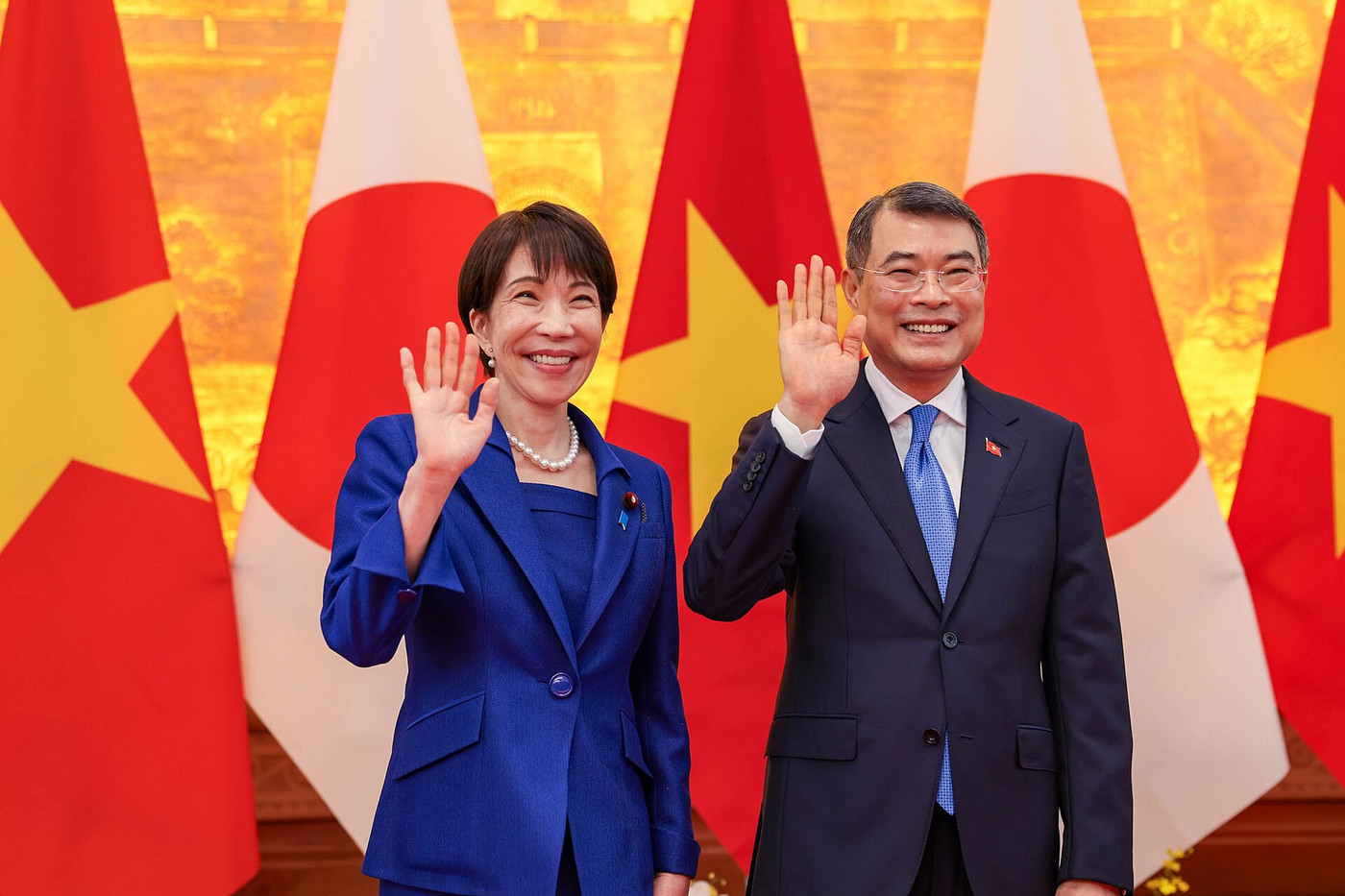
File photo: Naikaku Sōri Daijin Kantei (CC BY 4.0), via Wikimedia Commons
A year after Sanae Takaichi became Japan's first woman PM, a Jiji Press poll reported on Oct 22, 2026 shows her cabinet's support among women fell to 42.9% from 65.9%.
What Happened
A year after Sanae Takaichi became Japan's first woman prime minister on October 21, 2025, support for her cabinet among women has fallen to 42.9% from 65.9% when she took office, according to a Jiji Press opinion poll reported on October 22, 2026. A gender studies scholar told the news agency that many women had hoped her premiership would bring progress on policies for women, and that those hopes have turned to disappointment. Overall approval has also slipped in several national polls, with one, by Kyodo News, putting it below 50% for the first time in her term.
Key Facts
- Sanae Takaichi took office as Japan's first female prime minister on October 21, 2025.
- Jiji Press poll: cabinet approval among women fell to 42.9% from 65.9% a year earlier.
- Kyodo News poll of October 17-18, 2026: overall approval at 49.1%, the first reading below 50% of her tenure.
- Other recent polls put approval at 57% (Yomiuri Shimbun), 50% (Asahi Shimbun), 62.6% (Sankei-FNN) and 47.1% (ANN); the Nikkei had reported a peak of 72% earlier in 2026.
- Her cabinet has two women ministers besides herself, Finance Minister Satsuki Katayama and economic security minister Kimi Onoda: about 16% of the cabinet including the prime minister.
- Takaichi had pledged a leadership team with as many women as the Nordic countries, where about half of ministers are women; her September 2026 reshuffle did not raise the number.
- The recent dip followed the resignation of farm minister Kazuo Yana over remarks about cutting road funding for municipalities that did not support him.
Why It Matters
Takaichi's rise made her the first woman to lead Japan's government, and women voters were among her strongest early backers. The new polling suggests that being the first is not, on its own, enough to keep their support.
Shin Ki-young, a professor at Ochanomizu University's Institute for Gender Studies, told Jiji Press that women and younger voters who were not traditional supporters of the Liberal Democratic Party (LDP) were drawn to Takaichi partly because of her gender and the party's changed image. According to Shin, many expected progress on women's policies, but little visible progress has been made. Shin also said that because women backed the cabinet more strongly than men at the start, the fall in their support has weighed on its overall rating.
The numbers on representation help explain the frustration. With only two women ministers alongside the prime minister, and two women among the LDP's 14 senior party executives, the pledge to match Nordic levels remains far off.
Her standing is not collapsing. Several polls still show approval above 50%, and comparisons published by one Japanese newspaper show her first-year ratings above those of her two predecessors at similar points. Shin noted that no prominent figure in the LDP or the opposition is seen as a ready replacement.
For readers following women's leadership in India and elsewhere, the Japanese case separates two goals that are often treated as one: a woman reaching the top job, and more women being brought into the cabinet and party leadership around her.
Takaichi cabinet approval, recent polls Poll | Approval Sankei-FNN | 62.6% Yomiuri Shimbun | 57% Asahi Shimbun | 50% Kyodo News | 49.1% ANN | 47.1%
Impact
Short-term: The fall in support among women adds pressure on the government after a ministerial resignation, and may push it to show visible action on women's policies and appointments.
Long-term: How Takaichi handles representation will shape whether her premiership is remembered as a turning point for women in Japanese politics or as a single breakthrough.
Who is affected: Women voters in Japan, women in Japanese politics and business, the ruling LDP, and observers of women's leadership worldwide.
Key Takeaway
One year into the term of Japan's first woman prime minister, a Jiji Press poll shows support among women has dropped from 65.9% to 42.9%, as few women have joined her cabinet.
Questions and Answers
When did Sanae Takaichi become Japan's prime minister?
Sanae Takaichi took office on October 21, 2025, becoming the first woman to serve as Japan's prime minister.
How much has support for Takaichi among women fallen?
According to a Jiji Press poll reported on October 22, 2026, approval of her cabinet among women fell to 42.9% from 65.9% when she took office.
How many women are in Takaichi's cabinet?
Two besides the prime minister: Finance Minister Satsuki Katayama and economic security minister Kimi Onoda. Including Takaichi, women make up about 16% of the cabinet, short of her pledge to approach Nordic levels.
Is Takaichi's overall approval still above 50%?
It depends on the poll. Yomiuri (57%), Asahi (50%) and Sankei-FNN (62.6%) show 50% or more, while Kyodo (49.1%) and ANN (47.1%) show her below 50%.
Disclaimer: Prepared by the Peepals newsroom from publicly available sources with AI assistance. Information is accurate to the best of our knowledge at the time of publication and may change. Images may be representative. Not professional advice. Report an error via our contact page.
Sourced and fact-checked by the Peepals Global Editorial Team
Reported, fact-checked and published by the Peepals Global Editorial Team.