
Sanjukta Dutta takes Assam's Muga silk mekhela chador to Lakmé Fashion Week with 'SENEH'
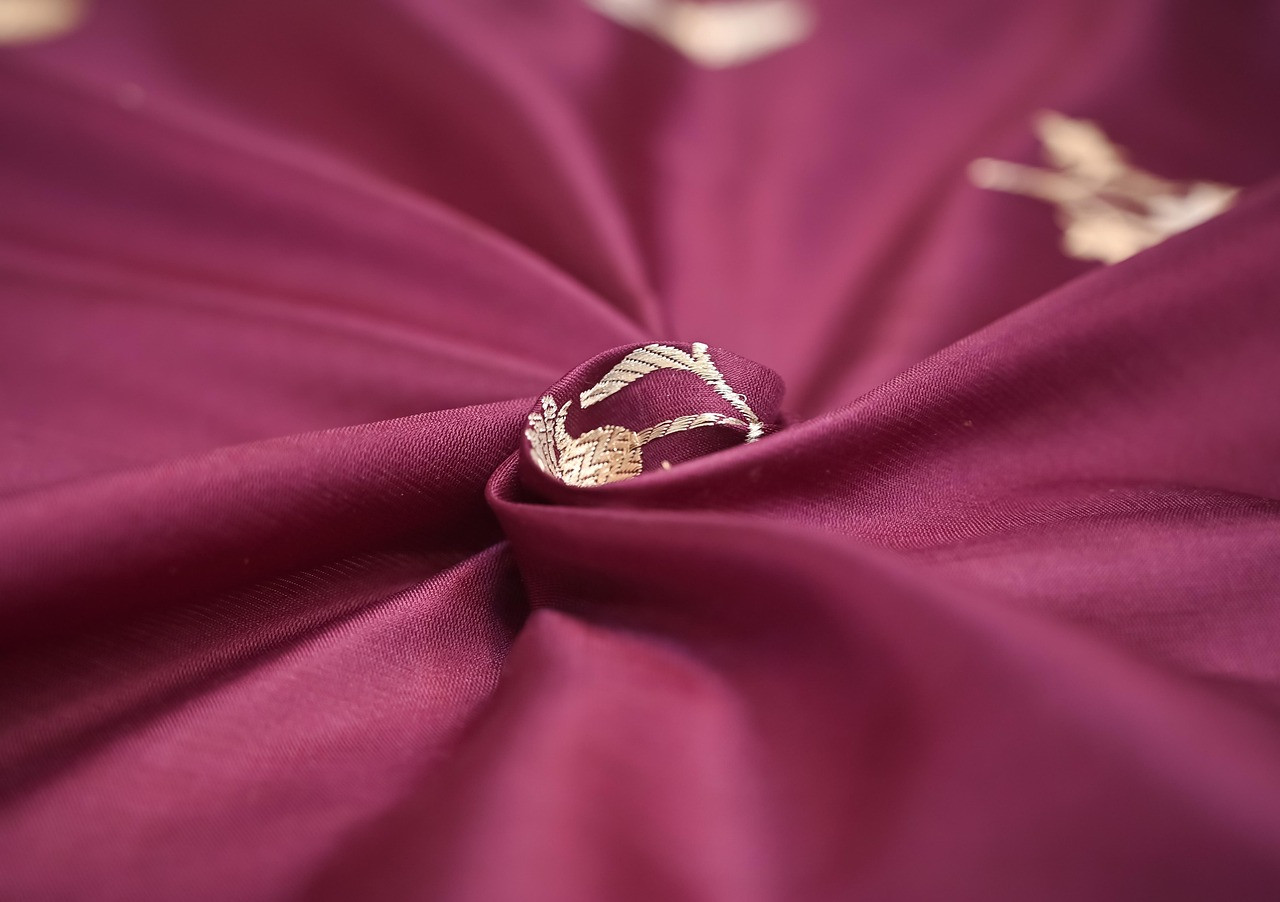
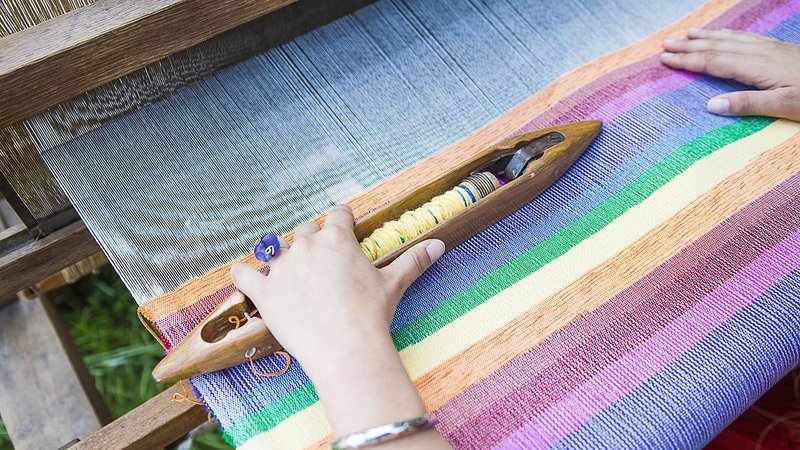
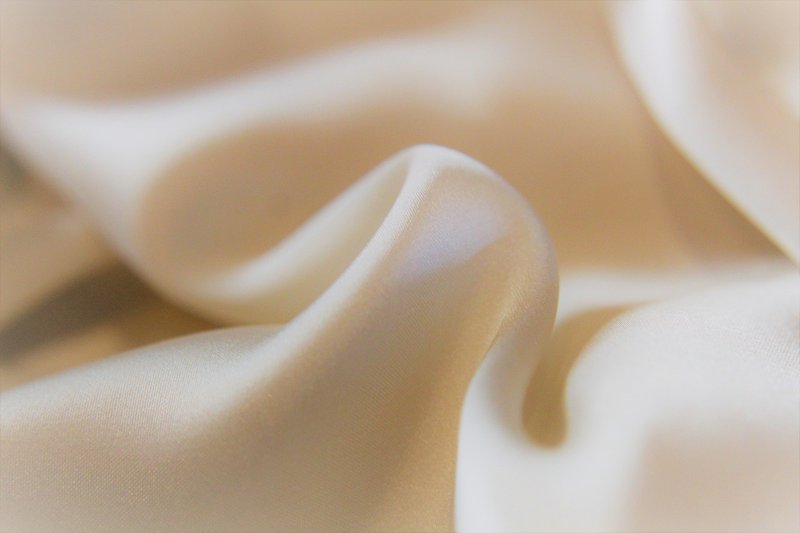
Representative image: arpitsahani96 / Pixabay
Assamese designer Sanjukta Dutta showed 'SENEH', handwoven Muga and mulberry silk mekhela chadors and sarees, at Lakmé Fashion Week x FDCI in Delhi on 16 October 2026.
What Happened
Assamese designer Sanjukta Dutta presented a new handloom collection, 'SENEH - The Affection', at Lakmé Fashion Week in partnership with the Fashion Design Council of India (FDCI) in New Delhi, as part of a joint showcase called PRAMA on Friday, 16 October 2026. The collection reworks the mekhela chador, the two-piece draped garment worn by women in Assam, and the saree, using pure handwoven Muga and mulberry silk. Actor Shilpa Shirodkar closed the show as showstopper in a black and silver mulberry silk mekhela chador. The fashion week, held at the Taj Palace, runs from 13 to 18 October.
Key Facts
- Designer: Sanjukta Dutta, based in Nagaon, Assam, known for mekhela chadors in Assamese silk.
- Collection: 'SENEH - The Affection', handwoven Muga and mulberry silk mekhela chadors and sarees.
- Showcase: PRAMA, shared with designers Pratima Pandey and Rahul Singh, on Day 3, Friday 16 October 2026.
- Venue and dates: Lakmé Fashion Week x FDCI, Taj Palace, New Delhi, 13 to 18 October 2026.
- Showstopper: Shilpa Shirodkar, in a black and silver mulberry silk mekhela chador.
- Dutta's revival of weaving began in 2012 with three looms; she now works with more than 100, according to a profile of the designer.
Why It Matters
At home in Assam, the mekhela chador is everyday and occasion wear for women. Seeing it on a national runway, alongside metallic jumpsuits and wedding menswear, changes how it is seen: no longer only a regional costume, but a garment that designers and buyers in Delhi and Mumbai treat as fashion. That shift matters for the women who weave it, because demand from city buyers is what keeps a handloom alive.
The collection's choice of fabric is the point. Muga is the silk Assam is known for, and the coverage of the show described the collection as bringing the golden hues of the Northeast to the national stage. Pairing it with mulberry silk, as in the black and silver look Shirodkar wore, shows how one traditional garment can be made in more than one fabric and mood while staying handwoven.
Dutta's own story is a reminder that a fashion label from a small town can scale up without leaving its roots. Her work began in 2012 with three looms in Nagaon; according to a profile of the designer, she now works with more than 100. Her first solo show at Lakmé Fashion Week came in 2017, and her Assamese silk garments have since been worn at international events. Each new runway appearance brings more orders, and more orders mean more steady work for weavers, many of them women.
The PRAMA slot also fits a wider pattern at this edition of the fashion week, where several shows have put regional craft at the centre: designers from Ladakh are presenting Pashmina work on the final day, and others have taken inspiration from Varanasi and other weaving centres. Together they suggest that Indian fashion's interest in handloom is not a passing theme but a steady part of the calendar.
| Detail | SENEH at Lakmé Fashion Week |
|---|---|
| Designer | Sanjukta Dutta (Nagaon, Assam) |
| Fabrics | Handwoven Muga and mulberry silk |
| Garments | Mekhela chador and sarees |
| Showcase and date | PRAMA, Day 3, 16 October 2026 |
| Showstopper | Shilpa Shirodkar |
Impact
Short-term: Runway exposure in Delhi typically brings enquiries from buyers, stylists and brides planning for the wedding season, which is now beginning. For a handloom label, that can mean a busy few months for its weavers.
Long-term: Every national showcase for the mekhela chador helps move it from a regional garment to a recognised Indian fashion category, which in turn supports the case for keeping young people in weaving rather than leaving it for other work.
Who is affected: Weavers in Assam, many of them women, who depend on steady orders; buyers and brides looking for handwoven silk; and other small-town designers who see a route to the national stage.
Key Takeaway
Sanjukta Dutta's 'SENEH' collection put handwoven Muga and mulberry silk mekhela chadors on the Lakmé Fashion Week runway, giving one of Assam's signature garments a place in the season's national fashion calendar.
Questions and Answers
What is Sanjukta Dutta's SENEH collection?
'SENEH - The Affection' is a handloom collection of mekhela chadors and sarees in handwoven Muga and mulberry silk, shown at Lakmé Fashion Week x FDCI in New Delhi on 16 October 2026.
Who was the showstopper for Sanjukta Dutta at Lakmé Fashion Week 2026?
Actor Shilpa Shirodkar closed the show, wearing a handcrafted black and silver mulberry silk mekhela chador.
What is a mekhela chador?
It is the traditional two-piece draped outfit worn by women in Assam: the mekhela is wrapped around the waist like a skirt and the chador is draped over the upper body, often woven in Muga or other Assamese silks.
When does Lakmé Fashion Week x FDCI 2026 end?
The Delhi edition runs from 13 to 18 October 2026 at the Taj Palace, so Sunday, 18 October, is its final day.
Disclaimer: Prepared by the Peepals newsroom from publicly available sources with AI assistance. Information is accurate to the best of our knowledge at the time of publication and may change. Images may be representative. Not professional advice. Report an error via our contact page.
Sourced and fact-checked by the Peepals Global Editorial Team
Reported, fact-checked and published by the Peepals Global Editorial Team.