
Widow's right to marital home survives husband's death, Delhi High Court rules

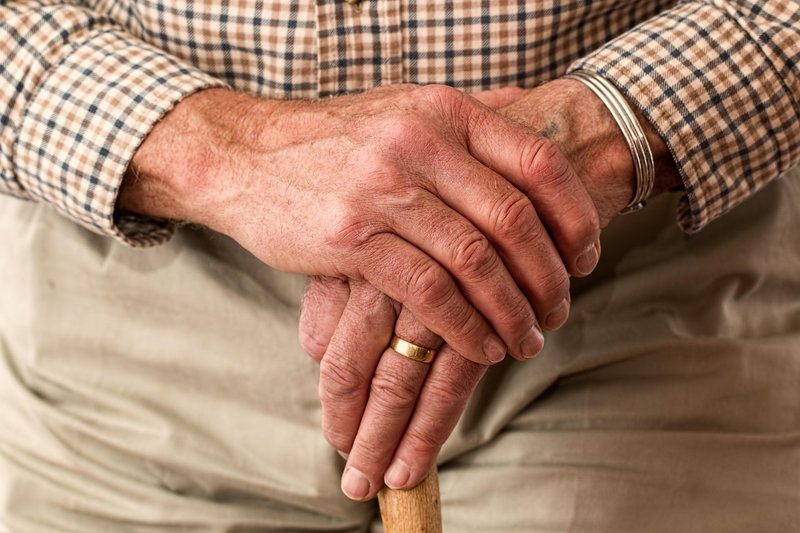
Representative image: succo / Pixabay
Delhi High Court says a husband's death does not end a widow's home right; a father-in-law must give her housing or Rs 15,000 monthly rent before eviction.
What Happened
The Delhi High Court has ruled that a widow does not lose her right to live in her marital home simply because her husband has died, and that a father-in-law has a "pious obligation" to maintain a widowed daughter-in-law, including giving her a roof, if she cannot support herself. In a judgment reported in the week of October 12, 2026, Justice Neena Bansal Krishna upheld a father-in-law's decree for possession of his self-acquired flat, but ordered that it can be enforced only after he arranges suitable alternate accommodation for his widowed daughter-in-law in the same or a nearby locality, or pays her Rs 15,000 a month as rent. The court also set aside the damages and mesne profits that the lower court had ordered her to pay. The case is Late Raj Kumar @ Babbal (deceased) through LRs v. Attar Singh.
Key Facts
- The Delhi High Court held that a husband's death does not, by itself, end his widow's right to reside in the shared household under the Protection of Women from Domestic Violence Act, 2005.
- Justice Neena Bansal Krishna upheld the father-in-law's ownership and his decree for possession of the flat.
- The decree can be executed only after he secures comparable alternate accommodation nearby for the widow, or pays Rs 15,000 a month as rent.
- The court set aside the award of damages and mesne profits against the widow's side.
- It read Section 19 of the Hindu Adoptions and Maintenance Act, 1956, as placing a duty on a father-in-law to maintain a widowed daughter-in-law who cannot support herself from her own earnings, property or her husband's estate.
- The court treated maintenance as including residence, not only money, and relied on Section 17 of the Domestic Violence Act and the Supreme Court's ruling in Prabha Tyagi v. Kamlesh Devi.
Why It Matters
Disputes over the family home are among the most painful in Indian households, and they often turn sharpest after a death. A woman who has lived for years in her husband's family home can find herself facing eviction once he is gone, especially when the house belongs to her in-laws rather than to her husband. Many such women have no income or property of their own.
This judgment draws a careful balance. It does not take away the father-in-law's ownership: the flat remains his, and his right to possession is upheld. What it says is that ownership cannot be used to put a dependent widow on the street. Before she can be asked to leave, she must be given a comparable place to live nearby, or the rent to pay for one. In effect, the court translated the old family duty to care for a son's widow into a concrete, enforceable obligation.
The ruling also clarifies the law on two points. First, the right to live in a "shared household" under the Domestic Violence Act belongs to the woman herself; it is not a right that ends automatically with the husband's life. Reports of the judgment note that the right does not depend on actual or continuous residence. Second, under Hindu maintenance law, a father-in-law's duty to support a widowed daughter-in-law covers shelter as well as money, when she cannot maintain herself.
The outcome still depends on the facts. Other Delhi High Court rulings have allowed elderly owners to evict a daughter-in-law under the senior citizens' welfare law, or found that an educated, earning daughter-in-law does not have an absolute right to stay. In this case, the court was dealing with a widow without her own means.
Impact
Short-term: The widow in this case keeps a home: she cannot be evicted until accommodation or rent is provided. Lawyers handling similar disputes in Delhi now have a clear statement that a husband's death does not by itself end a widow's residence right.
Long-term: The judgment may encourage families to settle such disputes by arranging alternate housing or rent, rather than fighting for years in court. It also strengthens the reading of maintenance law as a duty to provide shelter, which could guide other courts.
Who is affected: Widowed women living in homes owned by their in-laws, fathers-in-law and families who own the property, and lawyers and family courts handling residence and maintenance disputes.
Key Takeaway
The Delhi High Court has held that a widow's right to her marital home survives her husband's death and that a father-in-law must provide shelter or rent to a dependent widowed daughter-in-law before evicting her.
Questions and Answers
Can a father-in-law evict his widowed daughter-in-law from his house?
Under this Delhi High Court ruling, he keeps his ownership and can get possession, but only after he gives a dependent widowed daughter-in-law suitable alternate accommodation nearby or pays her rent, set at Rs 15,000 a month in this case.
Does a widow lose her right to live in the shared household when her husband dies?
No. The Delhi High Court held that the husband's death does not, by itself, end the wife's right to reside in the shared household under the Domestic Violence Act, 2005.
Is a father-in-law legally bound to maintain his widowed daughter-in-law?
The court read Section 19 of the Hindu Adoptions and Maintenance Act as creating a "pious obligation" on the father-in-law to maintain her if she cannot support herself from her own earnings, property or her husband's estate, and held that maintenance includes residence.
Does this mean every daughter-in-law can stay in her in-laws' home?
No. The outcome depends on the facts, such as whether she is dependent and whether the owner is a senior citizen using the senior citizens' welfare law. Other Delhi High Court rulings have allowed eviction in different circumstances.
Disclaimer: Prepared by the Peepals newsroom from publicly available sources with AI assistance. Information is accurate to the best of our knowledge at the time of publication and may change. Images may be representative. Not professional advice. Report an error via our contact page.
Sourced and fact-checked by the Peepals Global Editorial Team
Katie Zacharia out as White House press secretary after five days
Namrata Joshipura's OBSIDIAN brings metallic jumpsuits to Lakmé Fashion Week
Reported, fact-checked and published by the Peepals Global Editorial Team.