
Torchit, Skye Air, scanO top Ericsson's 5G innovation challenge at IMC 2026
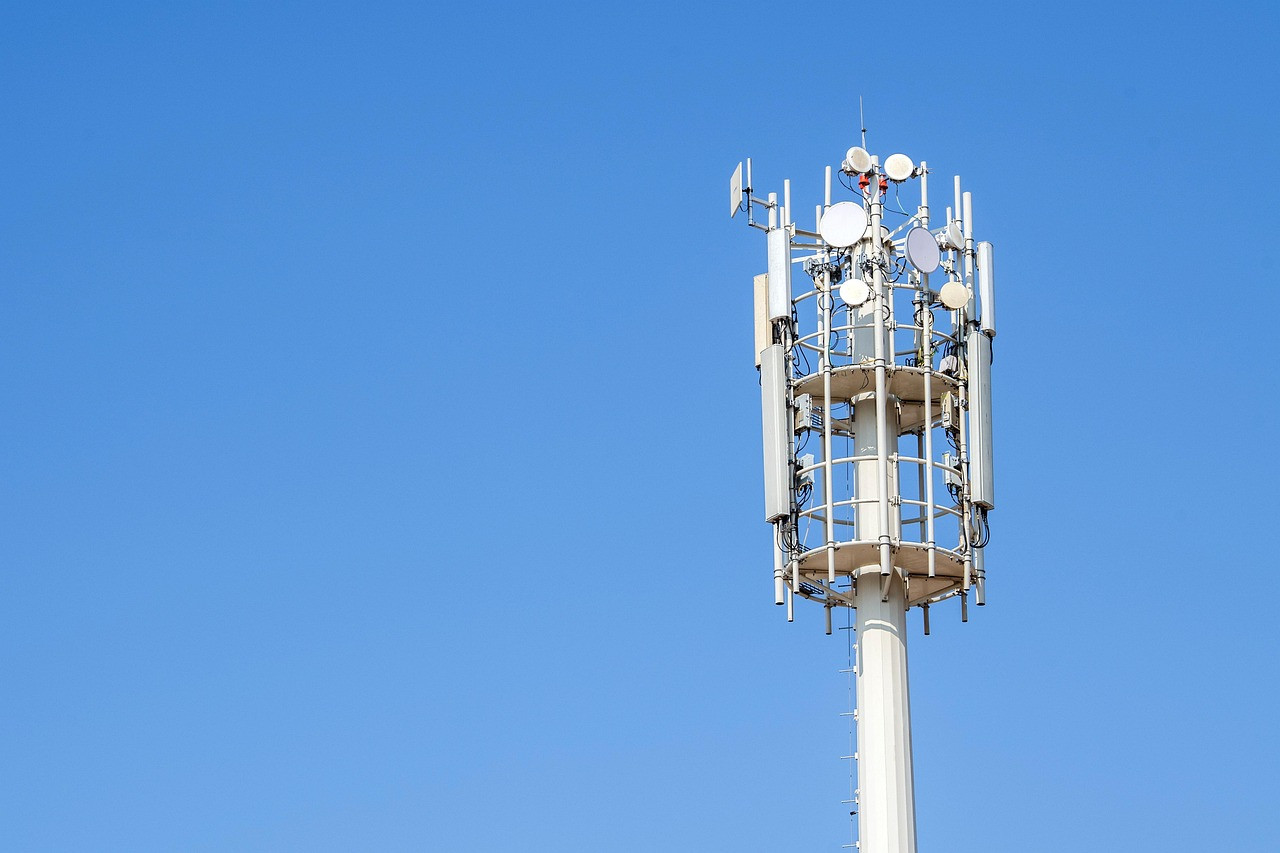
Representative image: AhmadArdity / Pixabay
Ericsson named six Indian start-ups, led by Torchit, Skye Air Mobility and scanO, winners of its 2026 5G innovation challenge at IMC, which ended October 10.
What Happened
Six Indian start-ups were named winners of the Ericsson Innovation Challenge 2026 and showed their products at Ericsson's stand at the India Mobile Congress 2026 in New Delhi, which ended on Saturday, October 10, 2026. The challenge, run by the Swedish telecom equipment maker with IAN Mentoring and Incubation Services and TiE Delhi-NCR, asked start-ups to build 5G-powered solutions for social problems in India. According to reports, Torchit, Skye Air Mobility and scanO were the top winners, while Okulo Aerospace, Proxgy and KissanAI were recognised as runners-up.
Key Facts
- More than 800 start-ups applied; a three-stage evaluation narrowed the field to 20 finalists and then six winners.
- Applications were open from July 2 to July 22, 2026.
- Themes covered agriculture, healthcare, digital inclusion, advanced manufacturing and environmental sustainability.
- Torchit, based in Ahmedabad, builds an AI reader for people with vision disabilities, using 5G for updates and remote assistance.
- Skye Air Mobility uses 5G in its autonomous drone delivery system and is exploring 5G-enabled air corridors.
- scanO uses AI to screen for oral health problems, with 5G allowing specialists to review suspicious cases in real time.
- Okulo Aerospace is exploring high-altitude platforms that could act as aerial cell towers; KissanAI applies voice and image AI to farming; Proxgy makes smart protective gear for workers.
Why It Matters
A hard question for telecom operators and equipment makers is what people and businesses will actually use it for beyond faster phone browsing. Challenges like this one are a way for a large vendor to find small companies whose products depend on low-latency, high-capacity networks, and to show customers and regulators real examples.
The winners point to where that demand may come from. Remote specialist review in scanO's oral screening, drone corridors in Skye Air's logistics and image-based crop diagnosis in KissanAI's tools all rely on sending large amounts of data quickly from places that lack local experts. These are use cases rooted in India's gaps in access to doctors, agricultural advice and transport, rather than copies of products from richer markets.
For founders, recognition from a global equipment maker can open doors. It brings visibility at a major telecom event, access to Ericsson's technical teams and credibility when talking to telecom operators, hospitals or state governments. It does not, by itself, mean funding or commercial contracts; none were announced with the awards.
Torchit's presence stands out for accessibility. Its glasses-based reader describes text and surroundings for blind and low-vision users. Assistive technology often struggles with cost and reliability in real-world use, and those remain the tests for any device of this kind.
| Start-up | Area | How 5G is used |
|---|---|---|
| Torchit | Accessibility | Updates and remote assistance for an AI reader |
| Skye Air Mobility | Drone logistics | Links aircraft, telemetry and payload sensors |
| scanO | Oral health | Real-time specialist review during screening |
| KissanAI | Agriculture | Live photo and video crop diagnosis |
| Okulo Aerospace | Connectivity | High-altitude platforms as aerial cell towers |
Impact
Short-term: The six start-ups gain visibility with telecom operators, investors and government buyers who attended the India Mobile Congress.
Long-term: If products like these prove useful at scale, they could help justify continued investment in 5G coverage outside big cities, where the need for remote services is greatest.
Who is affected: The six winning start-ups, other Indian founders building on 5G networks, telecom operators looking for new business uses, and communities that lack easy access to doctors, farm advice or assistive devices.
Key Takeaway
Ericsson named six Indian start-ups, led by Torchit, Skye Air Mobility and scanO, as winners of its 2026 innovation challenge for 5G solutions to social problems, picked from more than 800 applicants.
Questions and Answers
Which start-ups won the Ericsson Innovation Challenge 2026?
Torchit, Skye Air Mobility and scanO were reported as the top winners, with Okulo Aerospace, Proxgy and KissanAI recognised as runners-up, out of more than 800 applicants.
What was the challenge about?
Ericsson, with IAN Mentoring and Incubation Services and TiE Delhi-NCR, invited Indian start-ups to build 5G-powered solutions in agriculture, healthcare, digital inclusion, advanced manufacturing and environmental sustainability.
Where were the winners showcased?
They presented their products at Ericsson's stand at the India Mobile Congress 2026 in New Delhi, which ended on October 10, 2026.
Did the winners receive funding?
No funding or contracts were announced alongside the awards; the main benefits reported are recognition and showcase at the India Mobile Congress.
Disclaimer: Prepared by the Peepals newsroom from publicly available sources with AI assistance. Information is accurate to the best of our knowledge at the time of publication and may change. Images may be representative. Not professional advice. Report an error via our contact page.
Sourced and fact-checked by the Peepals Global Editorial Team
HubSpot cuts nearly 660 jobs, about 7% of staff, to rebuild around AI
Bengaluru Skill Summit 2026 to focus on AI, Industry 4.0 skills; Skillathon opens
Reported, fact-checked and published by the Peepals Global Editorial Team.